2026 Best Steel Platforms for Global Buyers?

Time:2026-10-27 Author:Isabella
0%

Choosing the best Steel Platforms for global buyers in 2026 requires more than comparing product photos or advertised prices. A reliable platform should connect buyers with qualified mills, fabricators, and distributors that can provide traceable material documentation. Buyers should examine mill test certificates, steel grades, coating standards, production capacity, and export experience. Details matter.

Practical experience shows that sourcing decisions often fail during verification, not during the first quotation. Strong platforms support supplier audits, sample reviews, third-party inspections, and secure communication records. They should also make shipping terms, payment conditions, packaging methods, and estimated delivery schedules easy to compare. Clear information reduces surprises at the port. It also helps procurement teams evaluate the real landed cost.

However, no platform can remove every purchasing risk. A verified badge is useful, but it is not final proof of consistent quality. Buyers still need to confirm dimensions, tolerances, weld quality, corrosion protection, and destination-country requirements. That is not enough. Factory visits or independent inspections may still be necessary for large structural orders.

This guide evaluates major Steel Platforms through a global buyer’s perspective, combining supplier credibility, technical support, communication quality, logistics visibility, and after-sales responsiveness. The ranking may not suit every project. A small contractor may value low minimum order quantities, while an infrastructure company may prioritize certification depth and production continuity. The strongest choice depends on the application, budget, timeline, and acceptable risk. A careful comparison is better than a confident guess.

2026 Best Steel Platforms for Global Buyers?

What Are Steel Platforms and Why Do Global Buyers Need Them?

2026 Best Steel Platforms for Global Buyers?

What Are Steel Platforms and Why Do Global Buyers Need Them?

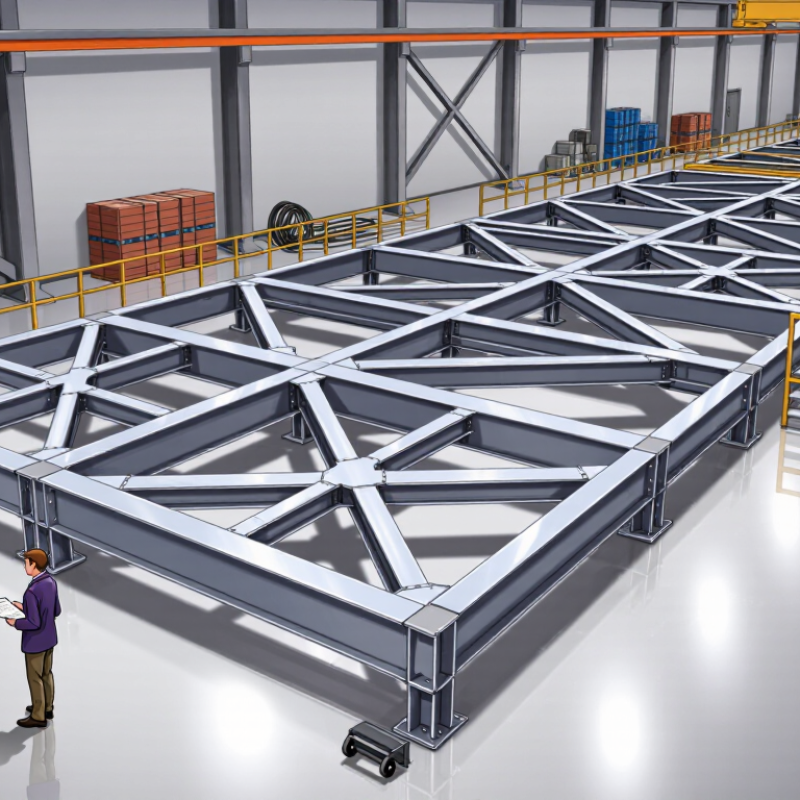
Steel platforms are elevated structures for maintenance, access, equipment support, or industrial storage. They may include stairs, handrails, grating, and safety gates. In a factory, a platform can place technicians beside a valve instead of below it. At a port, it can create safer access above conveyors and loading areas.

Global demand is practical, not fashionable. The World Steel Association’s World Steel in Figures 2025 reports about 1.88 billion tonnes of crude steel production in 2024. That scale supports broad steel availability, but tonnage does not prove platform quality. Buyers still need verified material grades, load calculations, weld procedures, and corrosion protection. ISO 14122 guidance is useful for permanent access systems, although local construction and workplace rules may differ. A platform can look strong and still fail a buyer’s brief. Drainage, uneven floors, salty air, and difficult installation are often missed during purchasing.

Tips: Request drawings, load ratings, steel certificates, surface-treatment details, and inspection records before approval. Check whether dimensions use metric units. Confirm the platform suits local wind, seismic, fire, and access requirements. For coastal projects, compare galvanized and coated systems through service-life estimates, not price alone. Ask for replacement grating details too. Small parts matter.

Which Steel Platform Types Suit Different Industrial Applications?

Steel platforms serve different industrial needs, and the best choice depends on load, environment, access, and maintenance demands.

Open bar grating suits factories, warehouses, and water-treatment areas where drainage and airflow matter. A 30-millimeter grating can shed spilled water quickly, but small tools may fall through. Solid steel plate platforms provide stable footing for carts, pumps, and production equipment. They are stronger under concentrated loads, although they need proper drainage and regular cleaning.

For coastal plants, galvanized steel offers practical corrosion protection at a controlled cost. Stainless steel is more suitable for food-processing rooms, chemical handling zones, and frequent washdown areas. Heavy-duty structural platforms support tanks, compressors, and maintenance teams. Engineers should verify live loads, point loads, deflection, welding quality, and anchor capacity before fabrication. Guessing is risky.

Modular steel platforms work well in warehouses and changing production lines. Their bolted connections can simplify relocation and inspection. Anti-slip surfaces improve safety near oil, rain, or cleaning water. However, aggressive textures may hinder trolley movement. This detail is easy to overlook. Platform height, stair angle, handrail position, and emergency access also affect daily usability. Reliable suppliers should provide material certificates, load calculations, coating details, and inspection records. A lower purchase price may hide higher repainting, downtime, or replacement costs. Every application deserves a site-specific review.

2026 Best Steel Platforms for Global Buyers? — Which Steel Platform Types Suit Different Industrial Applications?

Practical comparison of common steel platform structures, materials, load ranges, environments, and application suitability. Actual design capacity must be verified by a qualified structural engineer.

Steel Platform Type Typical Industrial Application Common Structural Material Typical Distributed Load Range* Recommended Surface Environmental Suitability Main Advantages Key Design Considerations Best Fit For
Modular Mezzanine Platform Warehouse storage, production expansion, order-picking areas, and light manufacturing workspaces Carbon-steel columns, primary beams, secondary joists, and braced frames Approximately 2.5–10 kN/m², depending on the layout and intended use Steel grating, chequered plate, structural plywood, or composite decking Dry indoor environments; galvanized or coated components can improve durability in humid areas Creates additional usable floor space without extending the building footprint; usually adaptable and relocatable Existing slab capacity, column spacing, headroom, stairs, guardrails, fire separation, and seismic requirements Warehouses and factories that need fast, space-efficient expansion
Heavy-Duty Equipment Platform Process machinery, compressors, pumps, tanks, production lines, and maintenance access areas Welded or bolted carbon-steel frames with reinforced beams and equipment support points Approximately 5–20 kN/m²; concentrated equipment loads may govern the design Heavy-duty bar grating, structural plate, or reinforced chequered plate Indoor or outdoor use; protective coating is generally required outdoors Supports high static loads and can be engineered around equipment footprints and maintenance zones Point loads, vibration, dynamic effects, anchor bolts, deflection limits, access clearance, and equipment replacement routes Manufacturing plants, utilities, and process facilities with heavy machinery
Steel Grating Walkway Platform Personnel access, inspection routes, elevated walkways, catwalks, and equipment approach paths Carbon steel, galvanized steel, or stainless steel supporting members and grating panels Commonly designed around 2.5–5 kN/m² for pedestrian access, subject to local codes Serrated or plain steel bar grating; serrated surfaces provide improved slip resistance Suitable for industrial indoor and outdoor environments; galvanized or stainless steel options suit corrosive areas Open surface allows drainage, ventilation, light transmission, and reduced debris accumulation Clear width, live load, deflection, toe boards, handrails, opening dimensions, slip resistance, and emergency egress Plants requiring safe inspection and maintenance access around equipment
Structural Steel Service Platform Access around tanks, ducts, conveyors, filters, vessels, valves, and utility systems Painted or galvanized structural carbon steel with beams, channels, angles, stairs, and guardrails Approximately 2.5–7.5 kN/m², plus local loads from maintenance activities Bar grating, expanded metal, or chequered plate where smaller objects must be retained Indoor and outdoor industrial service areas; coating system should match the exposure level Provides organized access for operation, inspection, and scheduled maintenance Equipment access envelopes, stair geometry, guardrail height, drainage, corrosion allowance, and maintenance lifting points Chemical, energy, water-treatment, and general process installations
Outdoor Galvanized Steel Platform External access decks, rooftop service areas, loading zones, utility stations, and process equipment platforms Hot-dip galvanized carbon steel; stainless steel may be selected for severe exposure Approximately 2.5–7.5 kN/m², with additional checks for equipment and environmental loads Hot-dip galvanized serrated grating or galvanized chequered plate Outdoor, humid, and moderately corrosive environments; coating life depends on atmospheric conditions Improved corrosion protection, drainage, low routine maintenance, and good visibility through the deck Wind, rain, snow, ice, thermal movement, drainage, galvanizing vent holes, and contact corrosion between dissimilar metals Outdoor industrial sites and facilities exposed to weather
Stainless Steel Hygiene Platform Food processing, pharmaceutical production, clean utilities, laboratories, and washdown areas Austenitic stainless steel, commonly selected from corrosion-resistant grades appropriate to the process environment Approximately 2.5–7.5 kN/m² for access and light equipment, subject to project engineering Stainless-steel grating, anti-slip plate, or hygienic perforated decking Wet, frequently cleaned, or mildly corrosive environments; material selection must reflect chemicals and temperature Good cleanability, corrosion resistance, and suitability for controlled hygiene environments Chloride exposure, weld finish, crevice prevention, drainage, chemical compatibility, cleanability, and surface roughness Hygienic production areas with frequent washing or sanitation cycles
Pipe Rack Platform Supporting and accessing process piping, cable trays, instrumentation, and utility lines Painted or galvanized structural carbon steel with beams, columns, bracing, and support brackets Approximately 3–10 kN/m², excluding major pipe reactions and special equipment loads Steel grating for access levels; chequered plate may be used where containment is required Indoor or outdoor process environments; corrosion protection depends on atmosphere and process leakage risk Efficiently organizes multiple services and provides elevated access while preserving ground-level space Pipe flexibility, thermal expansion, support reactions, wind and seismic effects, fire access, and future service capacity Petrochemical, utility, power, and process facilities with dense service networks
Loading and Transfer Platform Material transfer, pallet handling, truck loading, drum handling, and production-line interfaces Reinforced carbon-steel frame with heavy-duty deck panels and impact-resistant edge protection Approximately 5–12.5 kN/m²; wheel loads and impact loads require separate assessment Chequered plate, heavy-duty grating, or a hybrid plate-and-grating deck Indoor or sheltered outdoor use; galvanized or coated steel is suitable for humid logistics areas Designed for repeated traffic, material handling, and robust edge protection Forklift wheel loads, impact, vehicle clearance, dock level differences, drainage, barriers, and pedestrian segregation Distribution centers, warehouses, and industrial logistics operations
Temporary or Portable Steel Platform Construction access, shutdown maintenance, temporary workstations, event infrastructure, and emergency operations Bolted or demountable carbon-steel frames, often with adjustable supports and modular panels Approximately 2.5–7.5 kN/m², based on the intended temporary use and support arrangement Removable grating, anti-slip plate, or modular deck panels Short-term indoor or outdoor use; temporary corrosion protection may be applied Rapid deployment, reuse, relocation, and reduced permanent construction work Foundation condition, overturning, anchorage, wind exposure, assembly sequence, inspection, and safe dismantling Projects requiring flexible access during construction or planned maintenance shutdowns
Fire-Escape and Emergency Access Platform Emergency egress, elevated plant access, fire-service routes, and secondary evacuation paths Protected carbon steel or galvanized steel designed for the applicable fire and building regulations Commonly designed around 2.5–5 kN/m² for pedestrian evacuation, subject to local requirements Slip-resistant steel grating or plate with clearly defined walking surfaces Indoor or outdoor use; fire protection and corrosion protection must be coordinated Provides durable, visible, and dedicated access for emergency movement and response Travel distance, exit width, handrails, stair pitch, landing size, fire rating, lighting, signage, and unobstructed routes Industrial buildings where safe emergency egress and response access are essential

*Load ranges are indicative preliminary-selection values, not certified capacities. Final platform design should account for local building codes, structural steel specifications, concentrated loads, vibration, wind, snow, seismic actions, fire protection, corrosion exposure, and foundation conditions.

How to Evaluate Steel Platform Materials, Designs, and Load Capacity?

Selecting a steel platform starts with its material grade, not its paint color. Structural carbon steel suits many indoor platforms, while galvanized or coated steel performs better in humid, coastal environments. ISO 630 helps buyers compare mechanical properties and grades. The World Steel Association reported 1.892 billion tonnes of crude steel production in 2023. That scale does not guarantee consistent quality. Mill certificates, heat numbers, weld procedures, and coating thickness still require verification.

Design must reflect real movement. A platform carrying workers, pallets, vibration, or rolling equipment needs different calculations. Check beam spans, joist spacing, deflection, weld details, stairs, handrails, and anchor points. AISC 360 and ASCE 7 provide widely used structural guidance, but local codes may change the required combinations. OSHA requires guardrails to resist a 200-pound concentrated load in specified conditions. Small details matter. A loose toe board can become a serious hazard.

Load capacity should appear on clear drawings and nameplates, with dead, live, impact, and environmental loads separated. Ask whether the stated capacity applies to the whole platform or only one bay. That distinction is often missed. I have seen buyers trust a single rating without checking uneven loading or weakened floor plates. It is an imperfect method. Independent inspection, traceable test records, and a site-specific review provide stronger confidence than a low quotation.

What Standards and Safety Requirements Govern Steel Platforms?

For global buyers, steel platform safety begins with the installation country’s adopted building and workplace rules. OSHA 29 CFR 1910.28 and 1910.29 govern many U.S. industrial platforms. They require fall protection, safe access, and properly designed guardrail systems. Guardrails are generally about 42 inches high. Toe boards help stop tools from reaching workers below.

European projects often reference EN ISO 14122 for permanent access platforms and EN 1090-2 for steel fabrication quality. These standards address stairs, ladders, handrails, load-bearing parts, welding, and execution controls. Structural engineers may also apply Eurocode 3 for steel design.

Requirements can change with wind, seismic exposure, corrosion, snow, and maintenance loads. A platform that works inside a dry warehouse may fail quickly beside a coastal process line.

The risk is measurable. The U.S. Bureau of Labor Statistics reported 865 fatal workplace injuries from falls, slips, and trips in 2022. That figure should influence procurement decisions, not merely compliance files. Buyers should request stamped calculations, material certificates, weld inspection records, and a documented load rating. Ask how the platform handles a worker carrying equipment. Small gaps matter. Drainage, anti-slip grating, rounded edges, and clear inspection access deserve attention. I would not assume one certificate proves global suitability. Local approval, competent installation, and scheduled inspections still matter. Some specifications remain vague, especially around dynamic loads and corrosion allowance. That weakness deserves a second review before fabrication.

How Can Global Buyers Compare Suppliers, Costs, and Delivery Terms?

2026 Best Steel Platforms for Global Buyers?

Global buyers should judge steel platforms by evidence, not polished catalogs. Ask each supplier for grade, dimensions, tolerance, surface treatment, and load-rating data. Request recent mill certificates and third-party inspection records. A clear technical sheet exposes gaps early. It also shows whether the seller understands the application.

Compare prices as landed cost, not unit price. Include steel weight, cutting, packaging, inland haulage, ocean freight, insurance, duties, and port charges. A low quote can become expensive after moisture-resistant packing or special handling is added. Ask for the currency, quotation validity, payment milestones, and tooling fees. Use the same specification and delivery location for every bid. Otherwise, the spreadsheet compares different products.

Delivery terms need equal attention. Confirm production time, inspection date, shipping window, destination port, and Incoterms. Clarify who handles export documents, cargo insurance, and delays caused by customs or weather. Check capacity with a small trial order before committing to volume. Keep written approval samples and tolerance limits. One weakness remains: forecasts change, and suppliers may overpromise during busy seasons. Build a realistic buffer. Cheap certainty is rare.

FAQS

What are steel platforms used for?

Steel platforms support maintenance, access, equipment, and industrial storage. They can place technicians beside elevated valves, conveyors, or machinery.

What components may a steel platform include?

Common parts include stairs, handrails, grating, safety gates, and supporting frames. Small replacement parts can affect long-term usability.

How should buyers confirm platform quality?

Request drawings, load calculations, material grades, weld procedures, and inspection records. A strong appearance proves very little.

Which site conditions require special attention?

Check uneven floors, drainage, salty air, local wind, seismic activity, fire rules, and access requirements. Coastal air is especially demanding.

Should buyers choose galvanized or coated steel?

Compare expected service life, maintenance needs, and environmental exposure. Do not choose by purchase price alone.

What documents should suppliers provide?

Ask for steel certificates, technical sheets, load ratings, surface-treatment details, tolerances, and recent inspection records. Missing evidence is a warning.

How can buyers compare supplier prices fairly?

Compare landed costs, including steel weight, packaging, transport, freight, insurance, duties, and port charges. Unit price can mislead.

What quotation details need confirmation?

Confirm currency, validity period, payment stages, tooling fees, specification, and delivery location. Otherwise, offers may not be comparable.

Which delivery details should buyers check?

Confirm production time, inspection dates, shipping windows, destination port, and responsibility for export documents. Include time for customs and weather delays.

Is a small trial order useful?

Yes. It can reveal production limits, packaging problems, and installation issues before volume purchasing. Forecasts change, unfortunately. Build a practical buffer.

Conclusion

Steel Platforms are engineered structures that provide safe, stable access, storage, equipment support, and working space in industrial, commercial, and infrastructure environments. Global buyers should first identify the intended application, such as warehouse mezzanines, maintenance platforms, loading areas, stair systems, or modular work platforms. Each type requires an appropriate combination of structural design, surface treatment, dimensions, and load capacity. Material selection should consider strength, corrosion resistance, operating conditions, expected service life, and maintenance requirements.

Before purchasing, buyers should evaluate design drawings, load calculations, fabrication quality, installation needs, and compliance with applicable safety and structural standards in the destination market. Comparing suppliers requires more than checking the quoted price; buyers should review material specifications, production capabilities, inspection procedures, customization options, packaging, lead times, payment terms, warranties, and delivery responsibilities. A complete cost assessment should include transportation, taxes, installation, and long-term maintenance. By balancing performance, safety, total cost, and dependable delivery, global buyers can select Steel Platforms that meet both project requirements and regulatory expectations.

Isabella

Isabella

Isabella is a dedicated marketing professional with a sharp focus on driving brand growth and engagement through strategic content creation. With an extensive background in digital marketing, she combines her passion for storytelling with her keen understanding of industry trends to deliver......