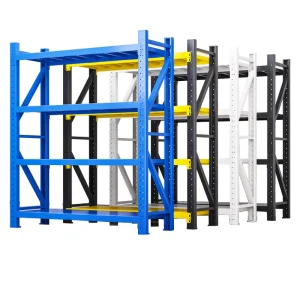
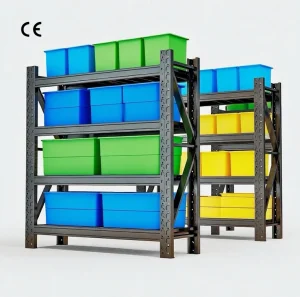
Explore our core high-capacity industrial shelving and multi-tier structural solutions built for global operations.
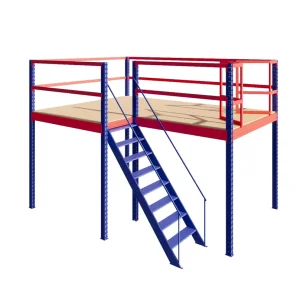
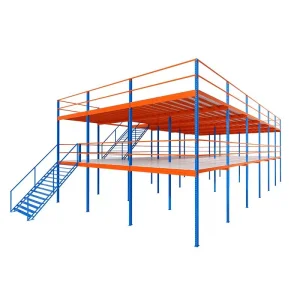
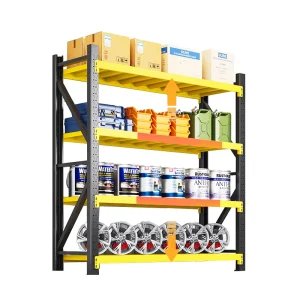
Modern industrial architecture faces unprecedented challenges. The persistent rise in commercial land values, coupled with high development barriers in major economic hubs, has pushed warehouse operators to rethink the paradigm of spatial efficiency. The transition from linear floor-level layouts to multi-tier volumetric cubic configurations is no longer just a trend — it is a critical strategy for enterprise longevity.
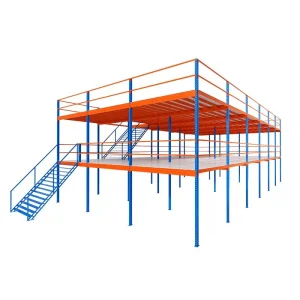
Specifically, the integration of structural attic platforms (commonly known in heavy industries as mezzanine platforms or structural steel mezzanines) represents the peak of vertical spatial exploitation. By using existing overhead space, warehouses can double or triple their usable square footage without modifying the building’s external footprint. Global supply chains, spurred by the surge in e-commerce fulfillment requirements, micro-fulfillment operations, and flexible inventory models, demand high-density storage that supports heavy loads, allows safe human passage, and integrates smoothly with advanced material handling robotics.
Converts unused high ceilings into valuable production, packaging, or storage floors, achieving up to 300% storage expansion.
Avoids the massive capital expenditures, regulatory delays, and construction costs linked to warehouse relocation or facility expansion.
Modular configurations allow quick adjustments to columns, loading zones, staircases, and loading gates as corporate storage demands evolve.
For global procurement directors, material handling engineers, and supply chain executives, sourcing heavy-duty industrial attic systems is a decision that impacts long-term operational safety. System performance evaluations focus heavily on regulatory compliance, structural engineering limits, and environmental durability.
1. Safety, Compliance, & Load Engineering: Industrial mezzanine systems must adhere to strict regional building codes and safety regulations. In North America, systems must comply with OSHA and RMI (Rack Manufacturers Institute) guidelines. In Western Europe, compliance with EN 15512 and FEM standards is essential. Structural calculations must account for static shelf loads, dynamic foot traffic, material handling equipment (like pallet jacks and AGVs), and localized seismic conditions (SDC design criteria).
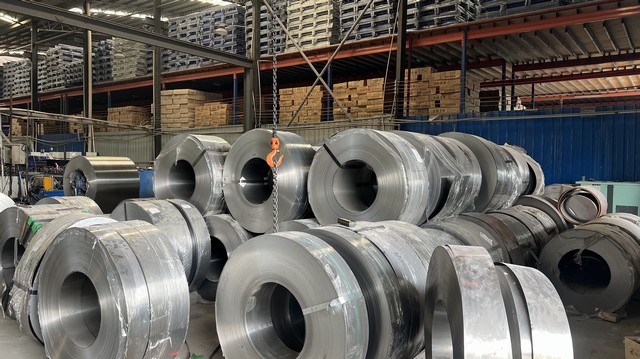
2. High-Grade Materials & Anti-Corrosion Technology: Industrial platforms need high-tensile steel, such as Q235 or Q355 structural grade steel, to ensure safety. To handle harsh industrial climates, factories must apply state-of-the-art coatings, like electrostatic thermosetting powder coatings or hot-dip galvanization, to achieve long-term resistance to rust and physical wear.
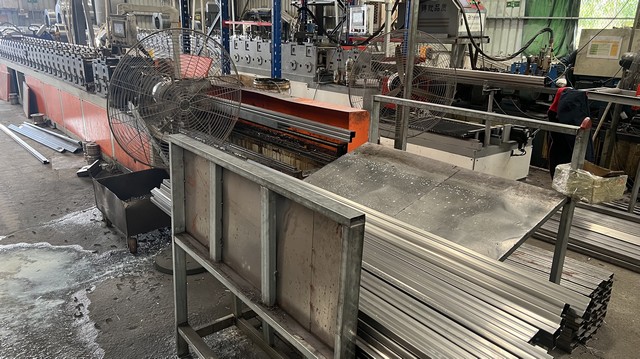
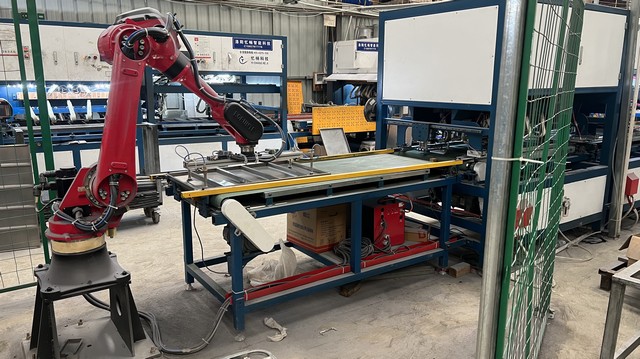
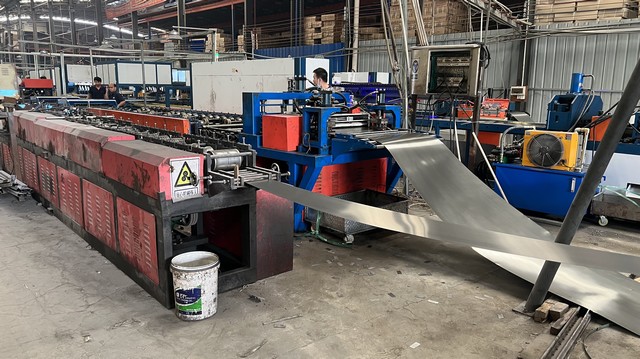
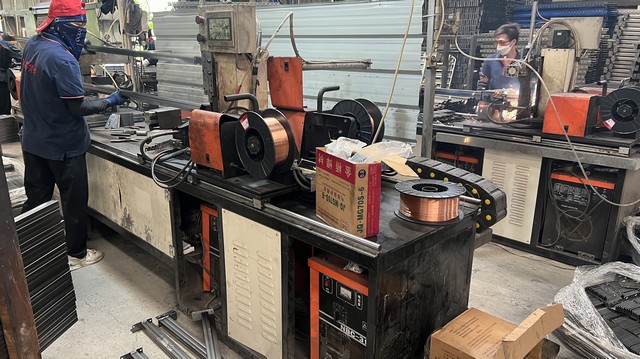
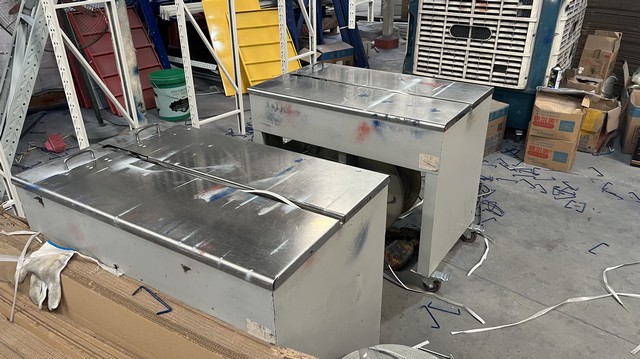
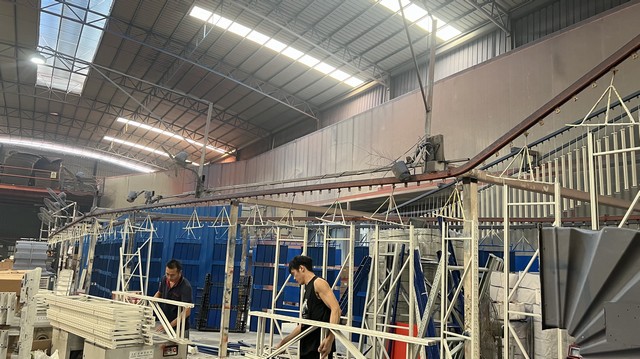
As a premier manufacturing hub, Guangzhou Fangjiu Shelf Co., Ltd. utilizes advanced production technologies to guarantee high production capacity and structural reliability. Operating from a modern 32,000-square-meter facility, the factory represents the ideal combination of manufacturing scale, technical design expertise, and efficient logistics coordinates.
The factory uses modern automated rolling lines, high-precision robotic welding, and automated powder coating lines. Under strict ISO 9001:2015 Quality Management Systems and CE guidelines, our 35-person quality control team tests every production run. Testing covers chemical analysis of raw materials, ultrasonic weld checks, and loading-stress analysis. This ensures that every racking component meets international industrial standards.
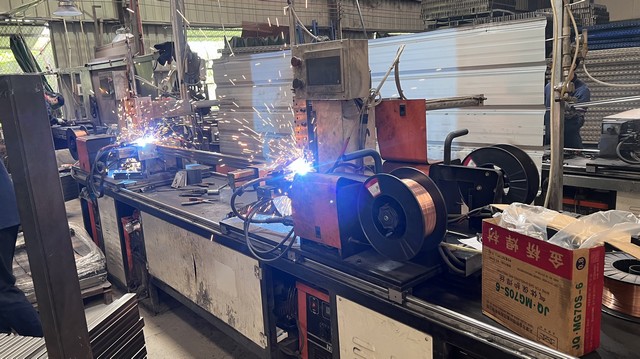
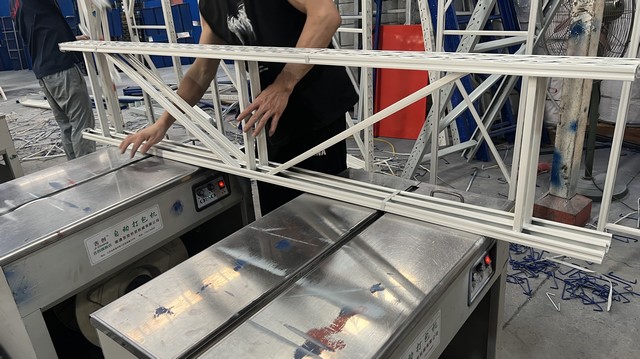
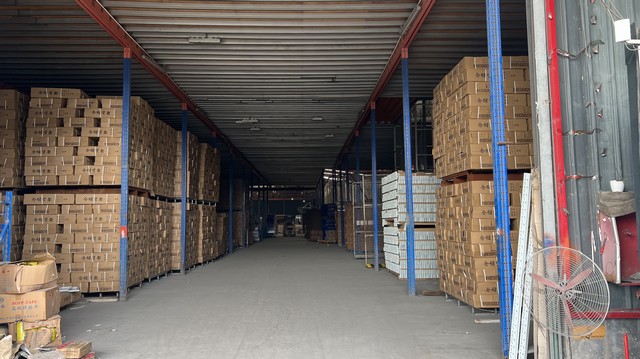
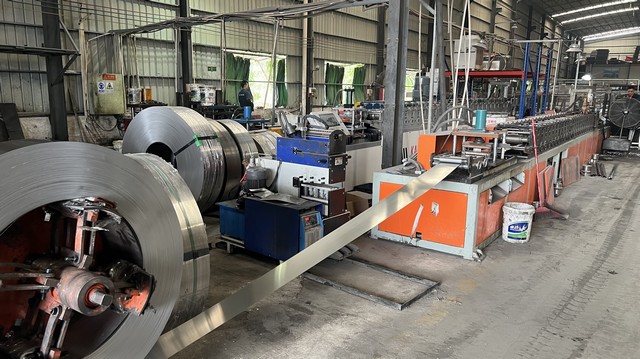
Industrial layouts require tailored storage designs. Guangzhou Fangjiu Shelf Co., Ltd. configures structural mezzanine racking platforms to match specific regional industries, architectural limits, and load types.
Fast-moving items require high-speed sorting and picking. Our multi-tier mezzanine platform designs use light-duty roller tracks and integrated carton-flow shelving on lower levels, while upper levels are optimized for static bulk storage. Integrated chute structures, staircases, and loading gates speed up inventory turnover.
Industrial manufacturing settings demand high load capacities. By using structural steel wide-flange beams and Q355 rolled channels, our attic platforms support loads up to 5,000 kg per layer. This capacity allows the safe storage of heavy tooling, metal subassemblies, and heavy components.
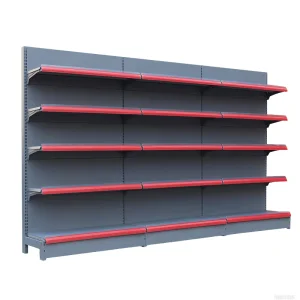
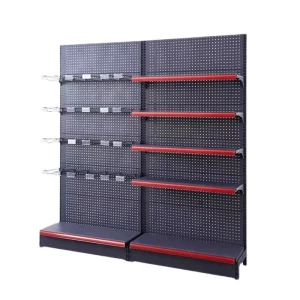
Supermarket supply chains must coordinate bulk warehouse receiving with regional store retail layouts. By integrating heavy-duty storage racks with retail display gondolas, we help brands create efficient back-of-store fulfillment systems that streamline restocking.
The rise of modern warehouse automation requires high structural precision. We engineer steel decking with precise flatness tolerances to support automated guided vehicles (AGVs) and autonomous mobile robots (AMRs). Deflection rates are calculated dynamically to prevent alignment errors.
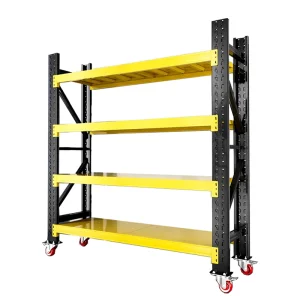
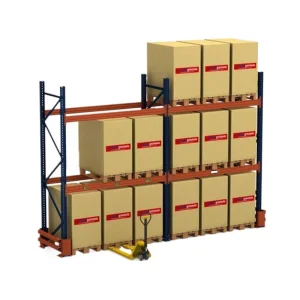
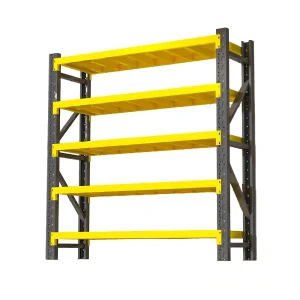
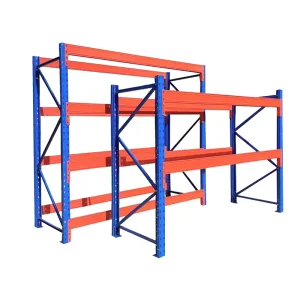
High-performance, durable storage options designed for heavy-duty commercial and warehouse applications.
Critical technical insight to help procurement managers and material engineers make informed sourcing decisions.
Q1: What is the difference between a roll-formed mezzanine and a structural steel platform?
Roll-formed mezzanines are engineered from lighter-gauge steel profiles (such as cold-rolled Q235 steel channel sections). They are highly cost-effective and suitable for standard applications with load capacities up to 1,000 kg/sqm. Structural steel platforms use heavy hot-rolled wide-flange beams and structural columns, allowing for wider span distances, higher overhead clearance, and load capacities exceeding 3,000 kg/sqm.
Q2: How do you calculate structural deflection for heavy-duty attic platforms?
Our engineering team designs structural calculations around L/240 for floor support joists and L/360 for main beams, where L is the span length. Under these limits, a 4,000mm joist span will show no more than 16.6mm of vertical deflection under full load. This design calculation prevents shifting, concrete cracking, and wear on warehouse automation systems.
Q3: Which coating options are best for corrosion resistance in coastal facilities?
For high-humidity or coastal locations, we recommend our automated electrostatic powder coating system with a dry-film thickness of at least 70 microns, applied over a phosphate-pretreated surface. For extreme environments, hot-dip galvanization (complying with ISO 1461) provides deep anti-rust protection and a zinc coating that prevents rust even if the surface is scratched.
Q4: How does Guangzhou Fangjiu Shelf Co., Ltd. ensure safety compliance?
Our products are engineered in compliance with global standards, including European FEM 10.2.02 and EN 15512, as well as US RMI specifications. We carry CE and ISO 9001:2015 certifications. Our quality control team inspects raw steel materials, audits weld quality, and performs load-stress testing on every batch.
Q5: What details are needed to request a structural quotation?
To provide a precise quotation and custom design layout, please share the warehouse floor plan (CAD or PDF), clear ceiling height, required load capacity per square meter (e.g., 500kg, 1000kg), placement of stairs or lift openings, and any specific local seismic design requirements.
Q6: Can your attic platforms be integrated with third-party conveyor systems?
Yes. Our design engineering team creates CAD layouts that include dedicated structural integrations for floor-to-floor conveyor systems, vertical reciprocating conveyors (VRCs), goods lifts, and automated carton chutes to support continuous material handling.
 Fangjiu Shelf