Choosing among the 2026 top Boltless Systems requires more than comparing prices or glossy product photographs. Buyers need evidence, measurements, and a clear understanding of daily warehouse demands. A system that looks strong may still waste floor space, flex under uneven loads, or become difficult to reconfigure.
Warehouse consultant and author Gwynne Richards offers a useful principle: “The best warehouse solution is the one that supports efficient movement.” That idea applies directly to Boltless Systems. Buyers should examine load capacity, shelf dimensions, beam engagement, decking strength, corrosion resistance, and assembly requirements. They should also request test data, warranty terms, replacement-part availability, and installation guidance. Small details matter. A poorly seated beam can create movement, noise, and long-term maintenance concerns.
Measure twice. Then compare.
The leading systems for 2026 will likely combine tool-free assembly with stronger frames, adjustable levels, and adaptable accessories. Some may suit retail backrooms, while others perform better in workshops, archives, or light industrial storage. There is no universal winner. That is worth remembering.
A reliable purchasing decision should include a sample bay, realistic load testing, and a review of supplier support. Buyers should inspect sharp edges, finish quality, locking mechanisms, and floor stability before placing a larger order. Price remains important, but the cheapest option can become expensive after repeated adjustments or damaged components. Even experienced buyers can overlook workflow changes. This guide examines the strongest candidates carefully, while acknowledging that real-world performance may differ from catalogue claims.
What Are Boltless Systems and How Do They Work?
What Are Boltless Systems and How Do They Work?
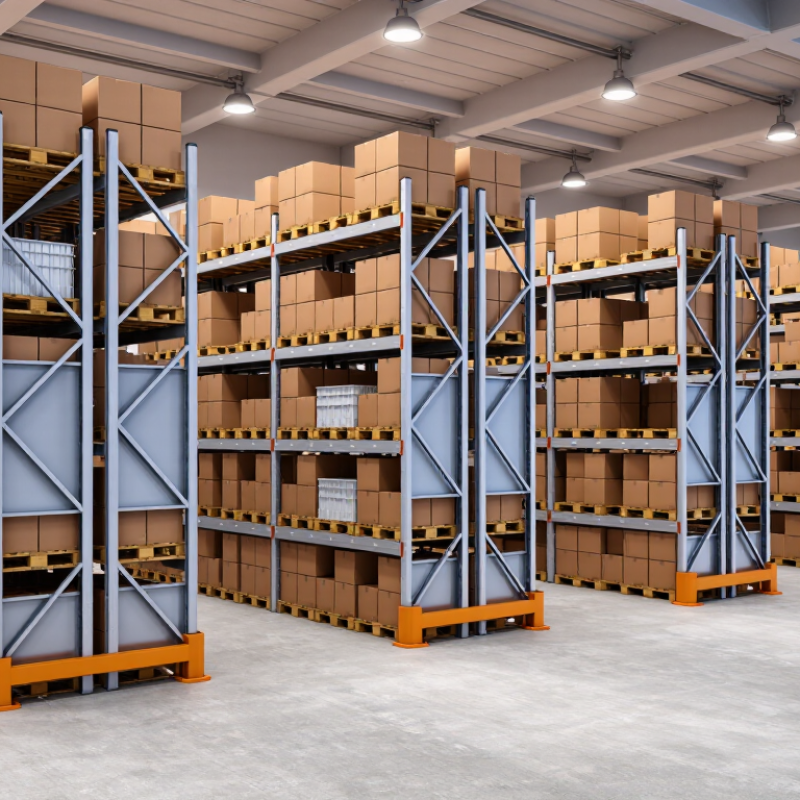
Boltless systems are adjustable storage structures assembled without traditional nuts and bolts. They usually use vertical uprights, horizontal beams, clips, and steel or composite shelves. A beam locks into punched slots on the upright. Its weight then transfers through the connection into the frame and floor.
The process is simple, but not careless. Workers can reposition shelves with basic hand tools, often within minutes. This helps warehouses, workshops, archives, and retail stockrooms respond to changing inventory sizes. MHI’s 2024 Annual Industry Report found that 55% of supply-chain professionals planned to increase technology investment. Flexible storage supports that direction, even without complex automation. It is a practical starting point.
Industry guidance from the Rack Manufacturers Institute stresses that load ratings depend on the complete configuration, not one shelf alone. Upright height, beam span, shelf material, floor condition, and anchoring can change performance. A 2024 CBRE logistics report also described continuing pressure for efficient warehouse space, making vertical storage increasingly valuable. However, “tool-free” does not mean risk-free. Uneven loading, damaged clips, or missing braces can reduce stability. Buyers should request tested load data, installation instructions, and inspection procedures. A tempting mistake is choosing the tallest frame before checking floor capacity and access equipment.
Which Boltless System Types Stand Out for Buyers in 2026?
In 2026, buyers are comparing boltless system types by flexibility, stability, and installation speed. Rivet-style shelving remains practical for warehouses, workshops, and stockrooms. Its beams lock into upright frames without nuts or bolts. This design supports quick assembly, but buyers should inspect connection quality and rated capacity. Adjustable levels also help when cartons change size throughout the year.
Clip-in steel shelving stands out for lighter inventory and frequent layout changes. It suits offices, archives, retail backrooms, and small maintenance areas. Shelves can often be moved by hand, which reduces downtime during rearrangement. Mobile boltless systems add casters and compact footprints. They can improve aisle access, although floor condition and total load need careful checking. That detail matters.
Modular systems with bins, dividers, or work surfaces offer more control over mixed inventory. They are useful when small parts sit beside tools or packaged goods. Buyers should look for clear load labels, corrosion-resistant finishes, and replacement components. A sound frame should not wobble after leveling. No system is perfect. Some low-cost units flex under uneven loads, while heavily reinforced systems may waste space and budget. Measure the aisle, record the heaviest stored item, and test the planned configuration before ordering. A supplier’s technical documentation should explain capacity by shelf level, not only total capacity.
What Are the 2026 Top Boltless Systems for Buyers? — Which Boltless System Types Stand Out for Buyers in 2026?
| System type |
How components connect |
Standout characteristics |
Common applications |
Buyer considerations |
| Rivet shelving |
Beams with rivet-style connectors engage in keyhole-shaped openings in upright frames; a mallet is commonly used during assembly. |
Rigid, adjustable shelving with a straightforward assembly process. Shelf levels can usually be repositioned without conventional nuts and bolts. |
Stockrooms, workshops, garages, and general-purpose storage areas. |
Check the rated capacity for the complete configuration, including beam length, shelf material, and load distribution. Confirm whether decking is included. |
| Clip shelving |
Clips or brackets attach shelf supports to slotted uprights, typically without bolted connections. |
Flexible shelf positioning and a relatively simple layout that can suit lighter-duty storage needs. |
Offices, retail backrooms, utility rooms, and light storage areas. |
Verify that clips are compatible with the uprights and shelf supports. Compare the specified load rating with the intended evenly distributed load. |
| Steel angle shelving |
Perforated steel angle uprights and horizontal members are joined with fasteners; some designs use boltless connections, while others require bolts. |
Modular and adaptable, but assembly method and rigidity vary by design. |
Small storerooms, maintenance areas, and configurable utility storage. |
Do not assume every angle-shelf system is boltless. Check the assembly instructions, bracing requirements, and whether the unit needs anchoring. |
| Wire shelving |
Wire shelves sit on split sleeves or clips fitted around grooved posts; the posts and shelves are commonly assembled without tools. |
Open construction allows airflow and visibility, and shelves can generally be repositioned along the posts. |
Pantries, healthcare and food-service storage, laundry areas, and locations where air circulation is useful. |
Review shelf and total-unit capacity, finish suitability for the environment, and any requirements for wall or floor restraint. |
| Longspan boltless shelving |
Heavy-duty beams lock into slotted uprights using integral connectors, creating wider shelf bays than many small-part shelving systems. |
Provides broad, accessible storage levels for bulky goods and can be configured with different shelf or deck materials. |
Warehouses, workshops, and storage areas holding cartons or bulky hand-loaded items. |
Confirm the beam and bay ratings, required bracing, deck type, and whether the design is intended for hand loading rather than forklift handling. |
| Modular plastic boltless shelving |
Plastic posts and shelves fit together through molded slots, collars, or interlocking connectors, depending on the system. |
Corrosion-resistant material can be useful where metal shelving is unsuitable; components are often lightweight. |
Some damp or washdown areas, utility rooms, and light storage applications. |
Check temperature limits, chemical compatibility, stability, and the manufacturer’s load ratings; capacity can differ substantially between designs. |
Selection note: “Boltless” describes a connection or assembly style, not a guaranteed load capacity. Capacity depends on the specific uprights, beams, shelves, span, bracing, installation, and load distribution. Use the product’s rated specifications and follow its assembly and anchoring instructions before loading a system.
How Should Buyers Compare Capacity, Materials, and Durability?
In 2026, the strongest boltless systems are not judged by appearance alone. Buyers should begin with capacity, measured per shelf and across the full unit. A shelf rated for 800 pounds may assume evenly distributed weight. That figure changes when boxes sit near the edges. Check whether the rating includes a safety factor, and request test records from the seller. Real warehouse experience shows that uneven loading exposes weak beams quickly. It is easy to miss this detail.
Material choice affects both strength and service life. Powder-coated steel resists ordinary scratches and moisture better than unfinished metal. Galvanized components suit damp storage areas, but coating quality still matters. Inspect beam thickness, upright shape, connector fit, and deck support spacing. Particleboard decks are economical, yet they can swell after repeated humidity exposure. Wire decking improves airflow and visibility, although small packages may need a solid insert. Not every “heavy-duty” claim means the same thing.
Durability should be compared through practical evidence, not marketing language. Look for cyclic load testing, corrosion testing, replacement-part availability, and clear assembly instructions. Push gently on an assembled frame; excessive movement suggests poor engagement or an uneven floor. I prefer systems that can be expanded without weakening the original bay. However, I have learned that easy assembly can encourage careless leveling. Recheck the frame after loading, especially when storing dense tools or boxed equipment. Buyers should also measure doorways, aisle width, and ceiling clearance before ordering. A capacity chart cannot correct a bad fit.
What Installation, Safety, and Adjustment Features Matter Most?
What Are the 2026 Top Boltless Systems for Buyers?
The best boltless systems in 2026 should make installation simple, stable, and repeatable. A clear slot-and-tab design helps workers assemble frames with basic hand tools. Parts should lock firmly without excessive force. During practical inspections, I look for straight uprights, even shelf seating, and minimal movement after loading. A rubber mallet may help, but repeated hammering suggests poor fit or unclear tolerances. That matters on busy sites.
Safety depends on more than rated capacity. Buyers should check whether shelves resist lifting, beams remain seated, and feet stand level on slightly uneven floors. Adjustable feet can improve stability, while diagonal bracing helps control side movement. Load labels should be visible and easy to understand. Heavy items belong on lower levels. Sharp edges, loose clips, and damaged coatings deserve immediate attention. A perfect setup is rare. Regular checks still matter.
Tips: Measure the installation area before ordering. Leave clearance for doors, sprinklers, and walking routes. Test one unit before expanding the system. Adjust shelf heights with the unit unloaded whenever possible. Use a spirit level, then recheck after loading. I would also photograph each completed bay for maintenance records. This small habit can reveal gradual leaning or missing components. Adjustment is useful, but frequent readjustment may indicate an unstable floor or unsuitable load pattern.
How to read this chart: The 100-point buyer-priority model emphasizes features that directly affect daily use: safe load handling, flexible adjustment, fast installation, clear capacity information, and durability. Higher scores indicate greater importance during product evaluation.
How Can Buyers Choose the Right Boltless System for Their Needs?
Choosing a boltless system starts with the load, not the lowest price. Measure each carton’s weight, width, depth, and turnover rate. Leave hand clearance around stored items. Small errors become unsafe quickly.
MHI’s 2024 Annual Industry Report places cloud-computing adoption at 55% among surveyed supply-chain leaders. That figure suggests a practical requirement: shelving should support accurate location records and future inventory tools. Select adjustable levels, clear bay identification, and easy access for counting. A shelf that fits today’s cartons may fail after one product change. Plan for change.
Check the floor, ceiling height, aisle width, and local safety requirements before ordering. OSHA guidance requires stored materials to remain stable and avoid creating hazards. Confirm the manufacturer’s stated load capacity for each shelf level, not only the total frame rating. Keep heavier goods low. It is basic, but often ignored.
Consider assembly time and relocation costs. A tool-free design can reduce installation labor, yet repeated dismantling may damage components. Inspect connectors after every move. A perfect system does not exist. Buyers should record actual loading patterns for several weeks, then adjust the layout. The first design may be wrong. That is useful information, not failure.
FAQS
It is an adjustable frame assembled without traditional nuts and bolts. Vertical uprights, horizontal beams, clips, and shelves form the structure. Beams lock into punched slots. Weight moves through the frame and into the floor.
Workers can often reposition shelves within minutes using basic hand tools. This helps when box sizes or inventory levels change. Fast adjustment is useful, but it may encourage rushed installation.
Check the rated load for each shelf and the complete unit. Confirm whether the rating assumes evenly distributed weight. Boxes placed near shelf edges can reduce performance. Request test records and safety-factor information.
Powder-coated steel suits ordinary warehouses with minor moisture and scratches. Galvanized parts are useful in damp areas. Particleboard is economical but may swell in repeated humidity. Wire shelves improve airflow and visibility.
No. Tool-free assembly does not remove structural risks. Damaged clips, missing braces, uneven loading, and poor leveling can reduce stability. Inspect every connection carefully.
Examine beam thickness, upright shape, connector fit, and shelf support spacing. Look for load testing, corrosion testing, replacement parts, and clear instructions. Marketing words alone are not enough.
Measure doorways, aisle widths, ceiling height, and floor conditions. Check access equipment requirements before ordering tall frames. A strong rack is still unsuitable if it cannot enter or stand safely.
Gently push the assembled frame and watch for excessive movement. Recheck leveling after loading dense tools or boxed equipment. Inspect clips, braces, shelves, and floor contact regularly. I might underestimate this step, but small movement can matter.
Conclusion
Boltless Systems are modular storage and support structures designed to assemble without traditional nuts, bolts, or specialized tools. Instead, they typically use interlocking frames, clips, pins, or tab-based connections, allowing buyers to build and reconfigure units efficiently. In 2026, leading options for buyers are expected to include adjustable shelving, heavy-duty warehouse racks, compact garage storage, and flexible workroom systems. Each type serves different needs, so the best choice depends on available space, load requirements, and how often the layout may change.
When comparing Boltless Systems, buyers should examine weight capacity, frame materials, shelf construction, corrosion resistance, and overall durability. A reliable system should offer stable connections, balanced weight distribution, smooth height adjustment, and clear assembly instructions. Safety features such as reinforced supports, secure locking points, levelers, and anti-tip solutions are also important. Buyers can make a practical decision by measuring the installation area, estimating both current and future storage needs, checking maintenance requirements, and selecting a system that combines strength, flexibility, and easy adjustment.

 Fangjiu Shelf