Global buyers are reassessing Medium Duty Storage as warehouses face tighter space, faster order cycles, and uncertain demand. This category sits between light shelving and heavy industrial racking. It supports cartons, spare parts, tools, packaged goods, and hand-loaded inventory. A practical system may include adjustable beams, steel panels, wire decking, and modular frames. Small design choices matter. A 50-millimeter adjustment can change picking speed and future capacity.
Industry evidence supports this shift. The 2024 MHI Annual Industry Report identifies artificial intelligence, robotics, and automation as major supply-chain investment priorities. Interact Analysis also forecasts strong growth in warehouse automation through 2027. These findings do not mean every buyer needs a robotic warehouse. In many markets, dependable Medium Duty Storage remains the more economical starting point. It requires less infrastructure, simpler maintenance, and easier expansion.
John Paxton, former CEO of MHI, described the wider change clearly: “The supply chain industry is undergoing a transformation, driven by the rapid advancement of technologies such as artificial intelligence, robotics, and automation.” That transformation also raises a useful question. Are buyers selecting technology, or solving a real storage problem? The best 2026 options should balance load capacity, corrosion protection, installation skill, spare-part availability, and local safety expectations. Price alone is a weak measure. A low-cost rack with poor beam connections can become expensive during relocation. This guide compares the leading Medium Duty Storage types for global buyers, while acknowledging one uncomfortable truth: no single configuration fits every warehouse.
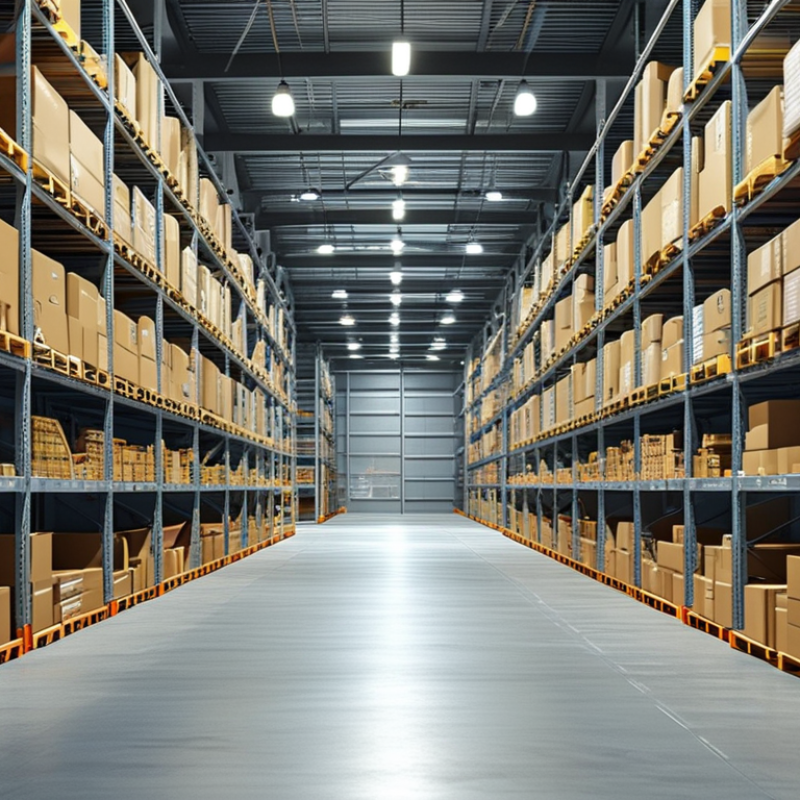
What Medium-Duty Storage Means in the 2026 Global Market
Medium-duty storage serves warehouses between light shelving and heavy industrial racking. In 2026, buyers often need adaptable systems for cartons, spare parts, tools, and packaged goods. A typical bay may carry 300 to 800 kilograms per level, depending on its design and configuration. The real value lies in controlled flexibility. Levels can be adjusted as inventory changes. That matters when demand shifts across regions.
Global buyers now examine more than load capacity. They compare steel thickness, beam connections, floor anchoring, corrosion resistance, and replacement access. In humid coastal warehouses, powder coatings and regular inspections become practical necessities. In dry, dusty facilities, cleaning gaps and smooth surfaces reduce maintenance problems. Local engineering review remains important because floor quality, seismic exposure, and fire requirements differ widely. A system suitable for Rotterdam may need changes in Nairobi, São Paulo, or Dubai.
Digital planning also affects medium-duty storage decisions. Warehouse teams increasingly map aisle widths, picking frequency, and forklift movements before purchasing. Small errors can create blocked routes or wasted vertical space. I have seen attractive layouts fail because operators could not turn safely near end frames. That lesson is easy to overlook. Cost estimates should include delivery, installation, training, and future reconfiguration. Not every warehouse needs automation. Sometimes, clear labels and stronger shelf discipline deliver better results. The market is moving toward modular storage, but “modular” does not always mean simple. Growth plans, worker habits, and local service capacity still deserve honest review.
| Storage Type | Typical Unit Load | Typical Level or Bay Capacity | Common Height Range | Access Method | Best-Suited Goods | Space and Workflow Characteristics | Global Buyer Considerations for 2026 |
|---|---|---|---|---|---|---|---|
| Boltless Steel Shelving | 50–250 kg per shelf | Approximately 250–1,000 kg per unit, depending on shelf count and frame design | 1.5–3.0 m | Manual, direct access from the aisle | Cartons, tools, packaged components, office supplies, maintenance items | Simple installation, flexible shelf adjustment, and good SKU visibility; usually arranged in single- or double-sided rows | Check steel thickness, beam connection design, shelf deflection limits, corrosion protection, and local workplace-safety requirements |
| Longspan Shelving | 100–500 kg per shelf | Approximately 500–2,000 kg per bay | 1.8–3.5 m | Manual, front access | Medium cartons, bins, spare parts, textiles, archive boxes, and bulky hand-loaded products | Wider shelves reduce the number of uprights and provide useful storage for large or irregular packages | Suitable for mixed-SKU environments; buyers should confirm bay width, shelf span, load distribution, and compatibility with manual handling practices |
| Carton Flow Shelving | 10–100 kg per carton lane level | Usually 300–1,200 kg per bay, depending on lane quantity and frame size | 1.8–3.0 m | Manual front picking with gravity roller replenishment from the rear | Fast-moving cartons, totes, packaged food, pharmaceuticals, consumer goods, and small parts | Supports FIFO rotation and separates replenishment from picking; requires defined loading and picking faces | Evaluate roller load rating, lane pitch, carton dimensions, FIFO suitability, replenishment access, and temperature or hygiene requirements |
| Medium-Duty Pallet Racking | 500–1,500 kg per pallet position | Approximately 2,000–6,000 kg per frame, depending on beam levels and configuration | 3.0–7.5 m | Forklift or powered handling equipment | Palletized cartons, packaged materials, reserve stock, and medium-weight industrial goods | High vertical utilization and direct pallet access; aisle width depends on truck type and operating method | Confirm pallet dimensions, rack height, floor load capacity, beam deflection, anchoring, impact protection, and regional structural requirements |
| Mobile Shelving | 50–300 kg per shelf | Approximately 500–2,000 kg per mobile carriage or shelving bank | 1.8–2.5 m | Manual or powered movement of shelving units to open one working aisle | Documents, medical records, archived materials, small components, and high-value compact inventory | Can reduce fixed aisle space and increase storage density, but requires a level floor and controlled access to moving aisles | Assess floor flatness, distributed floor loading, emergency access, anti-tip protection, electrical safety for powered units, and local fire-code requirements |
| Mezzanine-Supported Storage | 300–1,000 kg per m² | Often 1,000–3,000 kg per bay or zone, subject to structural design | Additional platform level commonly 2.2–4.0 m above the floor | Stairs, goods lifts, conveyors, or controlled material-transfer gates | Light cartons, picking stock, archive materials, packaging supplies, and work-in-process inventory | Creates additional usable floor area without expanding the building footprint; requires clear separation of people and goods movement | Engineering approval, building permits, guardrails, gates, stairs, fire protection, evacuation routes, and floor loading must be verified before purchase |
| Cantilever Racking | 100–1,000 kg per arm | Approximately 1,000–5,000 kg per upright or frame, depending on arm count and length | 2.0–6.0 m | Manual handling, crane, forklift, or specialized long-load equipment | Pipes, timber, profiles, metal bars, tubes, panels, carpets, and other long or irregular loads | Open front design simplifies loading of long goods and reduces obstruction from front columns; requires longitudinal aisle planning | Specify arm length, upright spacing, load-center position, bracing, seismic exposure, end stops, and the equipment used for loading and unloading |
| Drawer Cabinet and Bin Storage | 10–150 kg per drawer or bin | Approximately 300–1,500 kg per cabinet or module | 0.8–2.2 m | Manual, front access | Fasteners, electrical parts, bearings, repair components, tools, and small high-value items | High SKU density and strong item visibility in a compact footprint; labeling and location control are important | Review drawer extension, anti-tip interlock, corrosion resistance, ergonomic reach height, label systems, and compatibility with barcode or RFID processes |
Match the system to load weight, handling method, and local safety requirements. Cartons and hand-loaded parts suit longspan or modular shelving. Forklift operations require engineered pallet racking.
Confirm the heaviest carton, shelf spacing, floor capacity, aisle width, and forklift turning space. Do not trust catalogue labels alone. Measured data matters more.
Regional rules may require inspections, anchoring calculations, capacity plates, or structural documents. Seismic areas need extra attention. Local requirements can change the entire design.
Include shelving, decking, bracing, delivery, installation, and corrosion protection. These excluded items may raise costs by 15% to 30%. The cheapest quotation can mislead.
Modular shelving usually allows additional levels or bays without replacing the full row. However, fire clearances and floor capacity may limit expansion. Growth plans are often too optimistic.
Durability depends on steel thickness, joint design, floor quality, and loading discipline. Humid warehouses may need stronger corrosion-resistant finishes. Weak coatings fail quickly.
No. Human picking may cost less in some facilities. It also increases collision and inspection risks. That trade-off deserves honest review.
A pilot aisle tests real cartons, picking movements, clearances, and installation quality. It exposes problems before expansion. The inconvenience is usually worthwhile.
In the 2026 global market, Medium Duty Storage refers to systems designed for moderate loads, frequent access, and flexible use across warehouses, workshops, retail facilities, and distribution operations. Key options include boltless shelving, adjustable steel shelving, long-span racks, carton flow systems, and modular bin storage. Their differences in frame strength, shelf depth, load distribution, accessibility, and assembly method make each type suitable for specific products, available space, and workflow requirements.
International buyers should match storage design with item weight, turnover rate, handling equipment, ceiling height, and future expansion plans. Safety considerations include stable installation, clearly rated load capacity, suitable materials, aisle planning, and compliance with applicable regional standards. When comparing solutions, buyers should evaluate total cost rather than purchase price alone, considering durability, maintenance, installation, transport, and reconfiguration. A practical choice balances dependable performance, efficient space utilization, simple expansion, and long-term value across different operating environments.

 Fangjiu Shelf