Choosing the right Mezzanine Systems for your business is crucial. These systems can maximize space and improve efficiency. According to a report by the Material Handling Industry of America, effective use of vertical space can increase storage by up to 50%. This statistic highlights the importance of selecting the right mezzanine solutions.
However, not all mezzanine systems are created equal. Businesses must consider load capacity, construction materials, and intended use. Research by Modern Materials Handling indicates that over 30% of companies experience inefficiencies due to inadequate storage solutions. A poorly chosen mezzanine can lead to unexpected costs and safety risks.
Understanding your operational needs is essential. The right system will enhance workflow and adapt to changing demands. Yet, there's a tendency to overlook these factors, which can result in poor investment decisions. Regularly reassessing your mezzanine system can lead to better performance and satisfied employees. A strategic approach is necessary to realize the full potential of mezzanine systems.
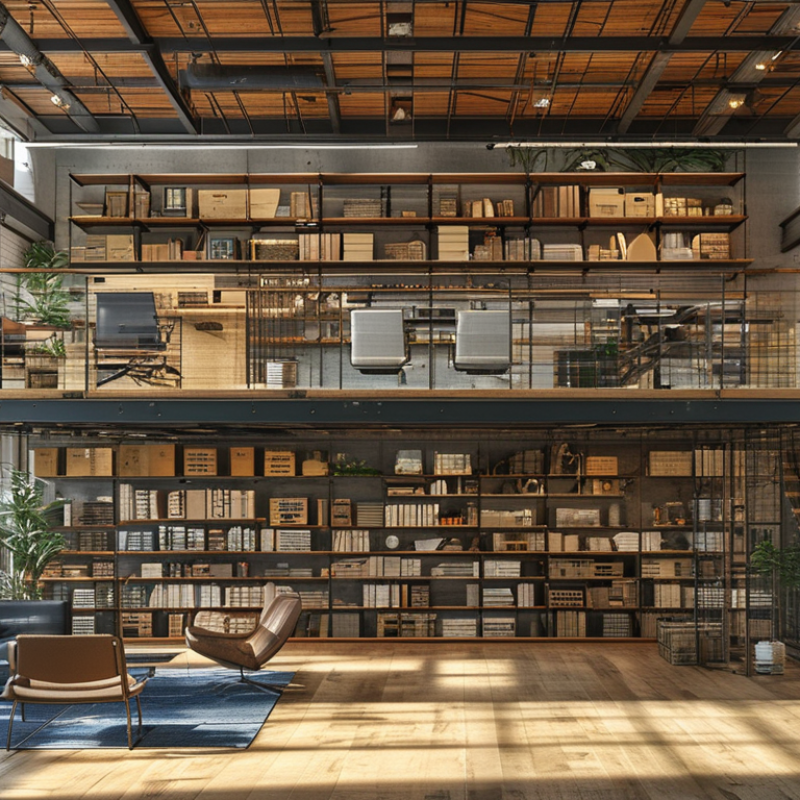
Mezzanine systems are crucial for optimizing space in warehouses and retail environments. They create additional levels, enabling businesses to store more without expanding their footprint. These systems enhance operational efficiency by providing easy access to inventory. They can support heavy loads and adjust to your specific needs.
When considering mezzanine systems, prioritize safety and stability. Assess your available height and load capacity. Ensure the chosen design complies with local regulations. It's essential to involve a structural engineer early in the planning. This helps avoid potential risks and costly adjustments later.
Consider flexibility as a key benefit. Mezzanine systems can be reconfigured as your business evolves. This adaptability allows you to respond to changing demands efficiently. However, don’t overlook maintenance. Regular inspections can prevent issues and ensure longevity. Frequent checks mean fewer disruptions to operations. Investing time in planning can maximize the system's impact, providing a strong return.
When selecting a mezzanine system, it’s vital to assess your business's unique needs. Start with a clear understanding of what you require. Do you need extra storage, or perhaps more workspace? Analyze your current operations. Talk to team members about their space frustrations. Their insights can reveal hidden needs.
Next, evaluate your available space. Measure the height of your warehouse or facility. Ensure there is enough vertical clearance to install a mezzanine safely. Look for any obstacles that might affect the layout. Sometimes, unexpected columns or low ceilings can limit your options. Don’t overlook floor load capacities, as they determine how much weight your new system can support.
Consider future growth as well. Your business will evolve. A system that meets today’s needs may not suffice tomorrow. Will you need to add more storage or workspace in the next few years? Planning for future scalability will save time and money later. Reflect on these questions and adapt your choice accordingly. Balancing current and future needs with physical constraints is crucial in this decision-making process.
Choosing the right mezzanine system for your business can significantly impact your operational efficiency. There are various types available, each with unique advantages. Steel mezzanines offer strength and durability, making them ideal for warehouses. On the other hand, this system requires careful planning to ensure weight distribution and safety compliance. A report from the Warehousing Education and Research Council noted that improper design can lead to costly renovations.
Wooden mezzanines are another option. They provide a more aesthetic appeal and are often used in retail settings. However, they may not withstand heavy loads like steel systems. Understanding your space and load requirements is critical. Studies indicate that around 75% of facilities are not optimized for their specific needs.
Tip: Assess your layout and operational workflows before selecting a system. This can prevent inefficient space usage. Also, consider future growth. Flexibility in mezzanine design allows for easy expansion, adapting to changing business operations. Investing time in research upfront can save you from potential headaches down the road.
| Type of Mezzanine System | Material | Load Capacity (lbs) | Height | Typical Applications |
|---|---|---|---|---|
| Structural Steel Mezzanine | Steel | 30,000 | 8-16 ft | Warehousing, Retail |
| Rack Supported Mezzanine | Steel | 25,000 | 10-20 ft | High-density Storage |
| Modular Mezzanine | Aluminum | 10,000 | 7-14 ft | Offices, Showrooms |
| Industrial Mezzanine | Steel | 40,000 | 12-25 ft | Manufacturing, Distribution |
| Custom Mezzanine | Varied | Varied | Varied | Specialized Applications |
When considering mezzanine systems for your business, focusing on costs, durability, and maintenance is crucial. Research shows that the initial investment of a mezzanine can range from $15 to $30 per square foot. However, this upfront cost must be balanced against long-term benefits. A well-constructed mezzanine can significantly enhance warehouse efficiency and storage capacity.
Durability is another essential factor. Mezzanine systems are typically built from steel or composite materials, which offer strength. According to industry statistics, durable designs can last over 20 years with proper maintenance. Regular inspections can prevent major issues and extend the lifespan of your mezzanine.
Tips: Choose a system with a solid warranty. This often reflects the manufacturer's confidence in the product. Also, remember that low maintenance options might save you time and money in the long run. Investing in durable materials may reduce the frequency of replacements, leading to better overall cost efficiency. Reflect on your specific needs and environment; not all designs will meet your unique demands effectively.
Choosing a reliable supplier for your mezzanine system is crucial. A good supplier brings not only quality products but also expertise in installation. According to industry reports, nearly 70% of failed mezzanine systems can be traced back to poor installation or material choice. This highlights the importance of a trusted partner. Look for suppliers with a solid track record and positive customer reviews.
When selecting a supplier, assess their experience in your industry. A specialist who understands your operations can provide tailored solutions. Ask for case studies to showcase their previous work. An experienced team will help you avoid common pitfalls in installation, which can lead to safety hazards and costly delays.
Tips: Always verify the supplier's references. Check if they provide training for your staff. A reliable installation partner will offer ongoing support and maintenance. This ensures that your mezzanine system operates efficiently over time. Remember, investing in a competent supplier pays off in the long run. It saves costs and enhances your operational productivity.
: Start by understanding your specific requirements, such as additional storage or workspace. Discuss with your team to identify their frustrations.
Measure the height of your facility. Ensure enough vertical clearance for installation and check for any obstacles like columns or low ceilings.
Your business needs will evolve, so plan for potential future storage or workspace requirements. This foresight saves time and money later on.
Initial costs range from $15 to $30 per square foot. Balance this with potential long-term benefits, like improved efficiency.
Opt for mezzanine systems made of steel or composite materials. Regular maintenance and inspections can significantly extend their lifespan.
Choose a reliable supplier with positive reviews. Their expertise in installation is also critical to avoid safety hazards and costly mistakes.
Check references and ask for case studies. Ensure they have experience in your industry and provide training for efficient installation.
Regular inspections and upkeep are essential. Choose low-maintenance options to save time and resources over the long term.
Nearly 70% of failures can be traced back to poor installation. A knowledgeable partner can prevent safety issues and costly delays.
A solid warranty indicates the manufacturer's confidence in their product. It can protect you from unexpected repair costs in the future.
Mezzanine Systems are versatile solutions that can optimize space and improve operational efficiency for businesses. Understanding the various benefits these systems offer is essential for organizations looking to enhance their workspace. To select the best mezzanine system, companies should assess their specific needs and space constraints, ensuring that the chosen solution aligns with their operational requirements.
Additionally, a thorough evaluation of the different types of mezzanine systems available in the market is crucial. Factors such as costs, durability, and maintenance should be analyzed to make an informed decision. Finally, partnering with a reliable supplier and installation expert is vital in ensuring the successful implementation of a mezzanine system that meets the business’s long-term goals. By following these steps, businesses can effectively leverage mezzanine systems to maximize their productivity and storage capabilities.

Fangjiu Shelf