Choosing the right Longspan Storage system is rarely a simple price comparison. Global buyers must balance load capacity, aisle space, installation skill, and local safety requirements. A shelf that performs well in a climate-controlled warehouse may struggle in a humid coastal facility. Small details matter, too. Beam thickness, connector quality, deck material, and anchoring methods can change daily performance.
Warehouse consultant R. Michael Kay has often described the warehouse as “the heart of the supply chain.” That perspective remains useful here. Storage equipment affects picking speed, worker movement, inventory protection, and future expansion. The best longspan solution should support cartons, tools, components, or mixed loads without forcing operators into unsafe reaching or unstable stacking.
This guide examines top Longspan Storage systems for international buyers. It considers adjustable shelving, boltless designs, heavy-duty configurations, mobile options, and hybrid layouts. Each system has strengths. None is perfect. Some offer quick assembly but provide less rigidity under demanding loads. Others deliver excellent capacity but require stronger floors, skilled installation, and higher transport costs.
That trade-off deserves honesty. “Cheap” is not always economical.
Buyers should verify certified load ratings, corrosion protection, replacement-part availability, and technical support before ordering. They should also confirm whether the supplier understands regional building practices and workplace standards. A polished product image cannot reveal deflection, sharp edges, or difficult assembly. Practical testing can.
The following comparison focuses on real warehouse conditions, not marketing language. It aims to help procurement teams choose a dependable system, avoid preventable mistakes, and plan storage that remains useful as operations change.
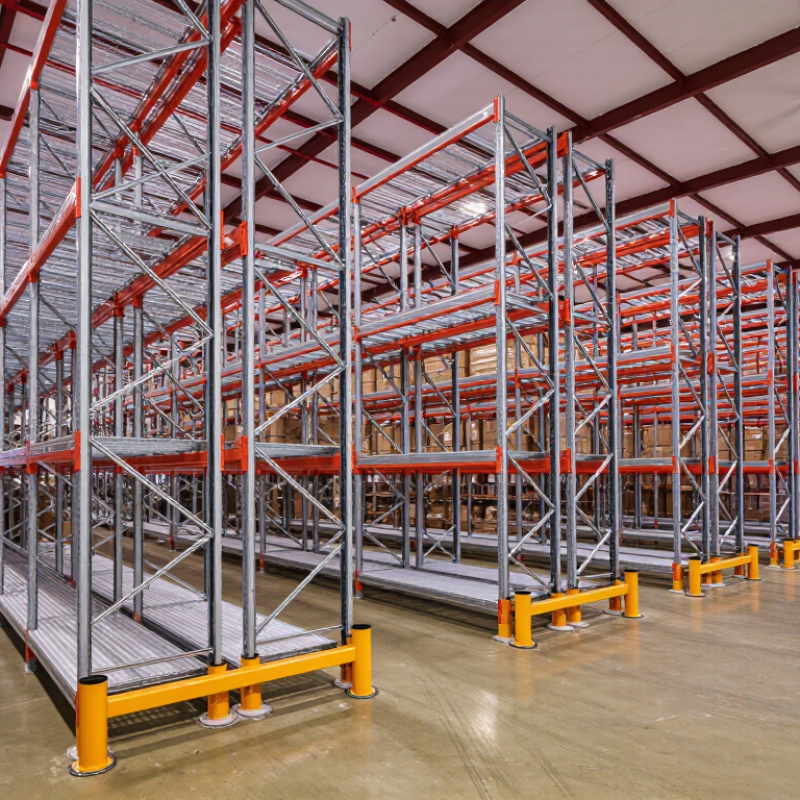
Top Longspan Storage Systems for Global Buyers?
What Longspan Storage Systems Are and How They Work
Longspan storage systems are adjustable shelving structures for bulky, heavy, or irregular goods. They use upright frames, horizontal beams, and decking panels. Unlike light-duty shelves, they create wider storage levels with fewer supports. This leaves more usable space for cartons, tools, machinery parts, and packaged materials. Workers can usually load products by hand. Some layouts also allow carts or compact lifting equipment.
The system works by transferring weight from the decking to the beams, then into the upright frames and floor. Each level has a stated load capacity. That rating depends on beam length, material thickness, spacing, and installation quality. A practical review should check real product weights, not estimated averages. One overlooked detail can create uneven loading. Floor condition matters too. Anchoring may be necessary in areas with vibration, traffic, or seismic risk. Local safety requirements should guide the final design.
Tips: Keep heavier items on lower levels. Label every bay clearly. Leave enough aisle width for safe handling. Inspect beams, connectors, and uprights regularly. Replace damaged parts promptly. Avoid mixing components without technical approval. It may seem efficient, but compatibility is not always obvious. Record changes after installation, because storage needs often shift faster than expected.
Longspan storage systems depend on more than beam length. Upright frames carry vertical loads, while horizontal beams support pallets, cartons, or hand-loaded shelves. Bracing controls sway, especially in tall bays or seismic zones. The World Bank’s 2023 Logistics Performance Index covered 139 economies, highlighting how different infrastructure conditions affect warehouse planning. Global buyers should therefore check local floor quality, humidity, wind exposure, and seismic requirements before selecting a standard layout.
Beam profiles need calculated load ratings, not estimates. Steel thickness, connection type, span, and deflection limits all influence safe capacity. Bolted anchors transfer frame forces into the concrete slab. Adjustable decking can improve flexibility, but weak panels create concentrated loading risks. Mesh decks, steel panels, or timber boards each require separate capacity checks. Labels should show bay loads clearly. Keep them visible.
Design reviews should reference recognized guidance, such as EN 15635 and applicable occupational safety regulations. The 2024 industrial logistics market outlook from a major property research group reported continued pressure for higher storage density, yet density can reduce inspection access. That trade-off is often underestimated. In practice, installers should verify upright plumb, anchor torque, beam locking pins, and damaged members during handover. One detail remains imperfect: published capacity tables may assume ideal floors and evenly distributed loads. Real warehouses rarely behave so neatly.
Key design features and structural components by typical working load capacity
The chart shows representative working load capacities commonly specified for industrial storage configurations. Longspan shelving is suited to manually handled cartons and components, while pallet and cantilever systems use heavier structural frames, reinforced beams, bracing, and adjustable load levels. Final capacity depends on bay width, upright geometry, beam profile, anchoring, floor conditions, seismic requirements, and local design standards.
Longspan storage systems serve warehouses, workshops, archives, and retail backrooms. Their main types differ in assembly, capacity, and flexibility.
Boltless systems use interlocking frames and shelves, so teams can install them with basic tools. They suit frequent layout changes and moderate loads.
Rivet systems have stronger beam connections and often support heavier cartons. They feel more rigid, especially across longer spans.
Clip-in systems use adjustable beams that lock into upright frames. They offer faster adjustments, but poor installation can create uneven shelf levels. That small error matters.
Modular longspan shelving usually accepts steel panels, chipboard, wire decks, or timber shelves. Steel panels resist impacts and moisture better. Timber shelves can be quieter and cheaper, but they need careful inspection in damp areas.
Mobile longspan systems save floor space by moving along rails. However, they require level floors, clear operating zones, and stronger safety controls.
Fixed shelving remains simpler for high-traffic storage. Mezzanine-supported systems add vertical capacity, but they involve structural calculations and approved access equipment.
A practical comparison should include beam span, shelf depth, rated load, adjustment intervals, and replacement-part availability.
Tips: Measure real cartons, not ideal cartons. Leave hand clearance above stored goods. Confirm load ratings with signed technical documents. Ask for installation instructions and inspection guidance. Local building requirements can vary. I have seen buyers focus on price, then discover incompatible decking or missing braces. Rechecking the layout with actual pallet and carton weights may feel slow, yet it prevents expensive redesigns. Shelves should not become overloaded simply because unused space remains.
Top Longspan Storage Systems for Global Buyers?
How to Select the Right System for Global Applications
Choosing a longspan storage system starts with the goods, not the catalog. Measure carton weight, shelf depth, turnover rate, and handling frequency. A system for boxed electronics differs from one for tools or maintenance parts. Small errors become expensive when several warehouses use the same design.
Global applications require more than adjustable shelves. Check the system’s load ratings, steel protection, corrosion resistance, and anchoring options. Humid coastal sites may need stronger surface protection. Areas with seismic risk may require additional bracing and professional engineering review. Always compare the design with local building, fire, and workplace requirements. Regulations vary, and translated documents can sometimes create confusion.
Installation conditions also matter. Confirm ceiling height, floor quality, aisle width, and available lifting equipment before ordering. Ask for drawings, test data, inspection guidance, and replacement-part information. A reliable supplier should explain assumptions clearly, not hide them in technical language. In my experience, pilot installations reveal problems that drawings miss, such as awkward picking angles or blocked access doors.
No design is perfect.
Leave room for change. Product sizes, labor methods, and storage volumes rarely stay fixed for years. Modular components can reduce future disruption, but excessive adjustability may increase cost and assembly time. I have seen teams focus heavily on initial price and overlook maintenance access. That decision often needs reconsideration. A practical selection balances safety, capacity, local service, operating habits, and long-term adaptability.
| Storage System | Typical Bay Span | Typical Load per Level | Typical Unit Height | Storage Access | Best-Suited Goods | Space Utilization | Global Application Strengths | Key Selection Considerations |
|---|---|---|---|---|---|---|---|---|
| Adjustable Longspan Shelving | 1,200–2,700 mm (47–106 in) |
150–800 kg (330–1,760 lb) |
1,800–3,000 mm (71–118 in) |
Direct access to every shelf level | Cartons, spare parts, tools, archived materials and hand-loaded components | Medium | Simple configuration, easy level adjustment and suitable for mixed stock-keeping units | Check beam deflection, shelf loading, frame stability, corrosion protection and compatibility with local safety codes |
| Wide-Span Shelving | 1,800–3,000 mm (71–118 in) |
300–1,000 kg (660–2,205 lb) |
2,000–4,000 mm (79–157 in) |
Direct front access; manual or equipment-assisted loading | Bulky cartons, furniture components, appliances, containers and medium-weight inventory | Medium to high | Handles wider and heavier loads than conventional shelving while maintaining flexible access | Confirm clear span capacity, floor slab requirements, aisle width and whether mechanical handling equipment is required |
| Pallet-Flow or Carton-Flow Longspan Racking | 1,800–2,700 mm (71–106 in) |
300–1,000 kg (660–2,205 lb) |
2,000–6,000 mm (79–236 in) |
First-in, first-out access from dedicated loading and picking sides | Fast-moving cartons, food and beverage cases, packaged goods and date-sensitive inventory | High | Supports stock rotation and reduces travel time in high-throughput distribution operations | Evaluate carton dimensions, roller pitch, load stability, temperature conditions, maintenance access and fire-protection requirements |
| Cantilever Longspan Racking | 1,200–2,400 mm (47–94 in) per arm |
250–1,500 kg (550–3,307 lb) per arm |
2,000–6,000 mm (79–236 in) |
Open-front access for long or irregular loads | Steel profiles, pipes, timber, panels, moldings, tubes and other elongated products | High for long goods | Removes front posts and allows efficient storage of products that cannot fit standard shelf bays | Consider load length, arm spacing, center of gravity, base stability, forklift access and seismic requirements |
| Mobile Longspan Shelving | 1,200–2,700 mm (47–106 in) |
150–800 kg (330–1,760 lb) per level |
1,800–3,000 mm (71–118 in) |
One aisle opens only where required | High-density archives, maintenance parts, records, tools and slow-moving inventory | Very high | Can significantly reduce fixed aisle space compared with static shelving | Review floor loading, rail installation, drive controls, emergency release, accessibility and local electrical standards |
| Mezzanine-Supported Longspan Storage | 1,800–3,000 mm (71–118 in) |
250–1,000 kg (550–2,205 lb) per level |
Up to approximately 8,000 mm (315 in), depending on building height |
Access by stairs, goods lift, conveyor or approved material-handling equipment | Small parts, e-commerce inventory, light manufacturing components and order-picking stock | Very high vertically | Creates additional usable storage levels without expanding the building footprint | Require structural engineering, guardrails, gates, stair design, fire protection, evacuation planning and building permits |
| Longspan Rack with Decking Panels | 1,800–2,700 mm (71–106 in) |
300–1,200 kg (660–2,645 lb) per level |
2,000–5,000 mm (79–197 in) |
Direct access for cartons, bins and non-palletized loads | Mixed-size packages, returnable containers, industrial parts and irregular cartons | Medium to high | Provides a continuous storage surface and accommodates loads that do not sit well on open beams | Select suitable decking material, verify uniformly distributed and point-load capacity, and assess moisture and fire performance |
Longspan storage systems need more than strong beams and attractive pricing. Installation starts with a verified floor slab, accurate bay dimensions, and anchor points suited to local conditions. EN 15635 recommends regular inspections, competent installation, and documented damage control. Buyers should also check seismic design, fire clearances, aisle widths, and load signage against local building and workplace rules. Requirements differ between countries. That difference matters.
Tips: Request stamped drawings, load tables, installation instructions, and material certificates before ordering. Confirm whether the supplier includes unloading, assembly, and site testing. A third-party inspection can reveal weak welds or incorrect bracing. Small errors become expensive.
International purchasing adds operational risk. The World Bank’s 2023 Logistics Performance Index found that only about 60% of shipments arrive within their scheduled delivery windows. Therefore, buyers should allow time for port delays, customs documentation, replacement parts, and local installation support. Specify Incoterms, packaging protection, corrosion resistance, spare components, and warranty response times in writing. Check steel grades and coating data, not just product photographs. ISO 9001 certification may support process control, but it does not replace structural verification or site safety approval. A perfect specification rarely exists. I would still revise it after a real warehouse walk-through, because forklift routes and uneven floors often expose assumptions that drawings miss.
They store bulky, heavy, or irregular goods. Common examples include cartons, tools, machinery parts, and packaged materials. Workers usually load items by hand.
Decking transfers weight to horizontal beams. Beams transfer it to upright frames and the floor. Every shelf level has a specific load rating.
Beam length, material thickness, spacing, and installation quality all matter. Check real product weights, not rough averages. Small errors can cause uneven loading.
Boltless and clip-in systems allow relatively quick adjustments. They suit warehouses with changing carton sizes or storage volumes. Poor assembly can still create uneven shelves.
Options include steel panels, chipboard, wire decks, and timber shelves. Steel handles impacts and moisture better. Timber may cost less, but damp areas require closer inspection.
Check ceiling height, floor quality, aisle width, and lifting equipment. Review load ratings, corrosion protection, anchoring options, and local requirements. Translated documents can sometimes confuse people.
Place heavier items on lower levels. Leave hand clearance above stored goods. Keep aisles wide enough for safe handling and clear access doors.
No. Mobile systems need level floors, clear operating zones, and stronger safety controls. Fixed shelving may work better in busy areas with constant movement.
A pilot can reveal awkward picking angles, blocked doors, or insufficient aisle space. Drawings may miss these practical problems. Test with real cartons.
Choose modular parts and record every layout change. Inspect beams, connectors, and uprights regularly. Initial price is not the whole decision.
Longspan Storage systems are versatile shelving solutions designed to organize medium- to heavy-duty goods without requiring front-to-back support from pallets. They typically use upright frames, horizontal beams, decking, braces, and adjustable connections to create stable, accessible storage levels. By combining high load capacity with flexible layouts, these systems can support warehouses, workshops, archives, retail backrooms, and industrial facilities with varied storage requirements.
This guide compares common system types, including open shelving, multi-tier configurations, and modular heavy-duty arrangements, while explaining how to select the right option according to load weight, item dimensions, available floor space, access methods, and future expansion plans. It also highlights essential considerations for installation, structural inspection, worker safety, local building requirements, packaging, shipping, and international purchasing. Careful planning and professional assembly help ensure reliable performance, efficient use of space, and safe operation across different global applications.

Fangjiu Shelf