Why Choose Carton Flow Storage for Your Warehouse?

Time:2026-11-03 Author:Mason
0%

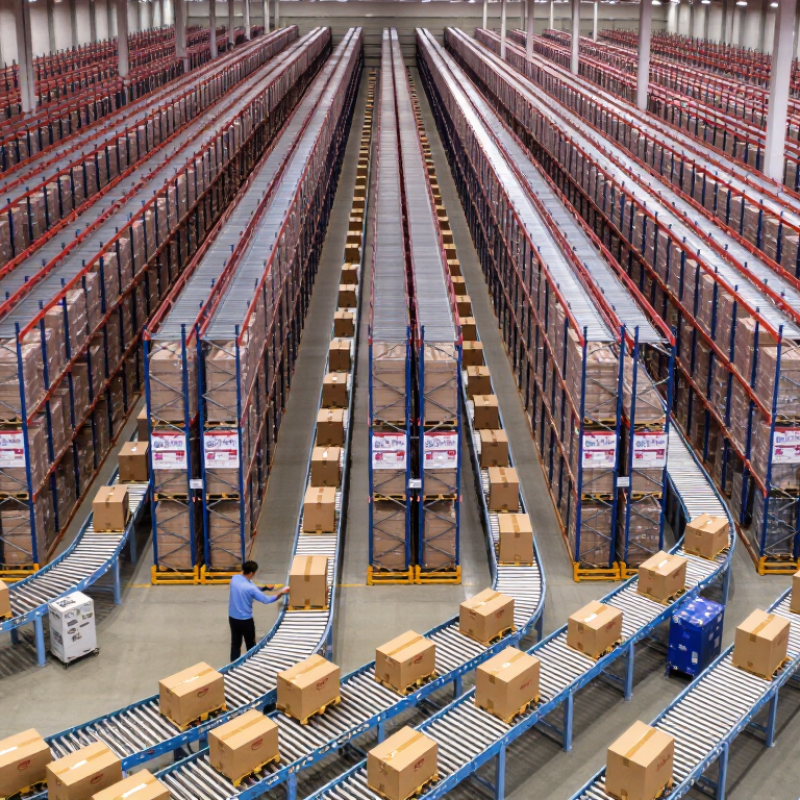
A warehouse can lose valuable minutes when pickers search deep shelves, reach around cartons, or wait for replenishment. Carton Flow Storage brings cartons forward on gently inclined rollers, so stock moves toward the picking face as each item is removed. The result can be a clearer pick path, easier access to fast-moving products, and better use of shelf depth. Small changes matter.

Lean pioneer Taiichi Ohno wrote, “All we are doing is looking at the time line, from the moment the customer gives us an order to the point when we collect the cash.” His broader focus on flow offers a useful lens for evaluating Carton Flow Storage: does it reduce waiting and unnecessary movement in your operation? In a well-planned lane, a picker takes the front carton while the next carton rolls into reach. That simple motion can support faster replenishment and more consistent stock rotation.

The system is not a cure-all. Carton dimensions, weight, packaging, and replenishment habits affect how smoothly cartons travel. Poorly matched lanes can jam, waste space, or slow workers down. A careful review of SKU mix and pick frequency helps reveal where flow lanes fit—and where static shelving may work better. The best design is practical, measurable, and ready to be adjusted when real warehouse conditions prove the plan wrong.
Why Choose Carton Flow Storage for Your Warehouse?

What Carton Flow Storage Is and How It Works

Carton flow storage is a shelving system that uses slightly inclined lanes and rollers or wheels to move cartons. Staff load cartons at the higher rear side and retrieve them from the lower front picking face. Gravity advances each carton as the one ahead is removed. In a well-configured lane, this supports first-in, first-out stock rotation.

The system works best when cartons have consistent dimensions and stable bases. Before installation, measure carton width, depth, weight, and packaging condition. A box with a crushed corner may catch on a roller. That can be awkward. Lane dividers help keep cartons aligned, while front stops prevent items from sliding out. The slope must be tested with actual stock, not guessed from a drawing.

During replenishment, workers add new cartons from the back, keeping picking activity separate from loading. This can reduce walking and make fast-moving items easier to reach. It is not a cure-all. Oddly shaped packages, very light cartons, or mixed carton sizes may flow poorly and need separate lanes. Regular checks matter: remove debris, inspect rollers, and watch for cartons that hesitate or arrive too quickly. Small adjustments can improve movement, though the right setup may take a few trials.

How Carton Flow Improves Picking and Replenishment

Why Choose Carton Flow Storage for Your Warehouse?

Carton flow storage can make picking and replenishment easier by giving each task a clear route. Pickers take cartons from the front, while replenishment staff load new stock from the rear. Gravity rollers move cartons forward as the pick face empties. That matters. It can reduce walking and help maintain stock rotation, provided cartons fit the lanes and move reliably.

The biggest gains often appear in fast-moving items picked in small quantities. Keeping those cartons within easy reach can shorten repeated trips and reduce reaching across shelving. Replenishment can happen from the opposite side, limiting interference with active picking. However, carton flow is not magic. Odd-sized packaging, damaged cartons, or uneven loads may jam a lane. A layout that looks efficient on paper can still feel awkward during a busy shift, so test it with real products and staff.

Tips: Group items by picking frequency, then confirm carton dimensions and weight before assigning lanes. Keep replenishment labels visible from the loading side. Check rollers and lane stops during routine inspections. Test it first. Adjust dividers when cartons drift or fail to advance; small mismatches can create recurring delays.

Why Choose Carton Flow Storage for Your Warehouse? - How Carton Flow Improves Picking and Replenishment

Warehouse Dimension Static Shelving Carton Flow Storage Operational Effect
Product movement Cartons are stored on fixed shelves and accessed from the same side. Cartons move by gravity along inclined roller or wheel tracks from the loading side to the picking side. Stock advances toward the picker as cartons are removed, reducing the need to reach into the storage lane.
Picking access Pickers may need to walk to, locate, and reach for items across shelving locations. Pick faces can be arranged along an accessible aisle, with cartons presented at the front of each lane. A well-organized layout can reduce unnecessary walking and make frequently picked items easier to reach.
Replenishment Restocking often uses the same access side as picking, so the two tasks can interfere with each other. In a two-sided layout, staff replenish from the rear while pickers work from the front. Separating replenishment and picking access can help reduce aisle conflicts and keep pick faces supplied.
Stock rotation Older and newer cartons may be mixed unless workers manage rotation manually. A lane loaded from the rear and picked from the front naturally supports first-in, first-out movement when cartons are loaded in sequence. Can support FIFO handling for suitable products; date-sensitive inventory still needs clear procedures and checks.
Replenishment visibility Workers may need to inspect shelf locations to identify low stock. Front pick faces and designated reserve cartons can make depletion more apparent, especially when paired with labels or minimum-stock rules. Clear replenishment triggers help teams refill lanes before pick faces run empty.
Space and capacity Storage density depends on shelf depth, aisle width, and how locations are arranged. Multiple cartons can be stored in depth within each flow lane, with loading and picking sides separated where the layout permits. Can make effective use of aisle-facing pick space, but actual capacity depends on carton size, lane design, and access requirements.
Product suitability Flexible for a broad range of item sizes and shapes, subject to shelf capacity. Best suited to cartons with compatible dimensions, stable bases, and enough structural strength to move through a lane. Testing representative cartons helps confirm smooth flow and prevents jamming or damage.
Design considerations Typically uses straightforward shelves and location labels. Requires suitable lane width, track pitch, incline, load limits, end stops, and replenishment access. Correct engineering and routine inspection are important for safe, reliable carton movement.

Note: Results depend on the product mix, carton design, order profile, facility layout, and replenishment practices. Validate lane dimensions and load ratings before installation.

Key Warehouse Benefits of Carton Flow Systems

Why Choose Carton Flow Storage for Your Warehouse?

Carton flow systems place cartons on inclined roller lanes, so stock moves forward as workers pick from the front. This can reduce walking and keep fast-moving items within easy reach. In a busy pick zone, a picker can face the aisle, take the next carton, and leave replenishment to staff loading from behind. Clear lanes also make empty positions easier to spot. Small gains, repeated across many picks, can matter.

MHI’s 2024 Annual Industry Report found that 55% of surveyed supply-chain professionals planned to increase technology investment. That figure reflects broad investment priorities, not proof that carton flow improves every operation. Fit depends on carton size, product weight, pick rate, and replenishment discipline. Poorly matched cartons may snag; uneven loading can create gaps or jams. Carton flow is not magic. Measure travel time, replenishment effort, and pick errors before and after installation, then adjust lane angles and dividers.

Tips: Start with a small pilot lane. Test the heaviest and lightest cartons, and watch for damaged edges or stalled movement. Keep labels visible from the picking face, and review replenishment during peak shifts. A practical layout may still need manual fixes. That is useful feedback, not failure.

Where Carton Flow Storage Works Best

Carton flow storage works best where teams pick the same fast-moving items throughout the day. Grocery distribution, parts rooms, and e-commerce packing areas often fit this pattern. Cartons sit on inclined roller lanes, moving forward as the front carton is removed. Pickers can see labels without reaching deep into a shelf. Small detail, big difference.

It suits operations with predictable carton sizes and steady replenishment. Staff load stock from the rear and pick from the front, supporting first-in, first-out rotation when lanes are managed correctly. A busy packing station may use separate lanes for popular items, keeping tape, fittings, or packaged components close to hand. Track actual pick rates before assigning products; a lane for a rarely selected item may waste valuable space.

The system is less suitable for cartons that vary widely in size, have weak bases, or snag on rollers. Heavy cartons need properly rated equipment, and lane depth should match how quickly stock moves. During a site trial, watch for cartons stopping short or striking the front stop too hard. A small slope adjustment can help, though it may not fix poor carton design. Real warehouse conditions are messier than a drawing.

Why Choose Carton Flow Storage for Your Warehouse? — Where Carton Flow Storage Works Best

Carton flow is a strong fit for fast-moving, carton-sized items picked frequently from a front access point and replenished from the rear. Ratings are qualitative comparisons, not measured performance data.

Factors to Consider When Choosing a Carton Flow System

Why Choose Carton Flow Storage for Your Warehouse?

Factors to Consider When Choosing a Carton Flow System

Choosing carton flow starts with the cartons, not the rack. Check carton width, depth, weight, and bottom condition; weak or uneven cartons may snag on rollers. Then review SKU velocity and order patterns. Fast movers often benefit from accessible lanes, while slower items may not justify dedicated space. Confirm FIFO is useful for your stock rotation, and match lane capacity and roller pitch to the actual load. MHI and Deloitte’s 2024 Annual Industry Report found that 55% of surveyed supply chain leaders expected to invest more than $1 million in supply chain innovation over five years. That signals sustained interest in operational improvements, but it does not mean every warehouse needs automation or flow racks.

Measure aisle width, replenishment access, and pick-face height before finalizing a layout. A system that speeds picking but blocks replenishment can create a new bottleneck. Ask operators to test representative cartons on a sample lane; dusty packaging, crushed corners, and mixed carton sizes can change how smoothly product moves. A neat drawing can still hide a poor fit.

Tips: Pilot a few lanes with your fastest and most awkward cartons. Record jams, replenishment time, and picks per hour across several shifts. Review the results with pickers; their feedback may reveal a problem the spreadsheet missed.

FAQS

What is a carton flow system?

It uses inclined roller lanes. Cartons move toward the picking face as workers remove stock from the front.

How can carton flow improve picking?

Fast-moving cartons stay within reach, and pickers may walk less. Small gains can add up across many orders.

Does carton flow suit every product?

No. Carton size, weight, bottom condition, and pick rate all matter. Weak or crushed corners can snag.

How should a warehouse choose lane dimensions?

Measure carton width, depth, and weight. Match roller spacing and lane capacity to real loads, not ideal samples.

Can carton flow support stock rotation?

It can support first-in, first-out rotation when cartons load from the rear and are picked from the front. Check that this suits your stock.

What layout details are easy to miss?

A fast pick face can block replenishment access. Measure aisle width and pick-face height, then test restocking during a busy shift.

How can a team test a system before installing it widely?

Set up a few pilot lanes. Try the heaviest, lightest, and most awkward cartons over several shifts.

What should operators track during a pilot?

Record jams, pick errors, replenishment time, and picks per hour. Ask pickers what feels awkward. Spreadsheets miss things.

What if cartons do not move smoothly?

Check for uneven loading, dusty packaging, or damaged edges. Adjust lane angles or dividers; a manual fix may still be needed.

Does a successful pilot guarantee the full layout will work?

Not always. Test peak-shift replenishment, too. A tidy drawing can still hide a poor fit.

Conclusion

Carton Flow Storage is a gravity-fed system that uses gently inclined roller or wheel tracks to move cartons from the replenishment side to the picking side. As workers remove items at the front, the next carton moves forward, keeping products accessible and helping maintain an orderly picking face. Replenishment can take place from the opposite side, reducing interference between picking and restocking activities.

By bringing cartons within easy reach, Carton Flow Storage can support faster order picking, make better use of shelf space, and improve stock rotation. It is often well suited to warehouses handling small, frequently picked items and repeat orders. Before selecting a system, consider carton size and weight, product variety, replenishment frequency, available space, and the required flow capacity. Matching these factors to daily operations helps create a practical storage layout that supports accuracy, efficiency, and safer movement through the warehouse.

Mason

Mason

Mason is a seasoned marketing professional with a deep expertise in the company's offerings and a passion for driving brand awareness. With a strong background in digital marketing strategies, he has an innate ability to connect with diverse audiences and effectively communicate product benefits.......