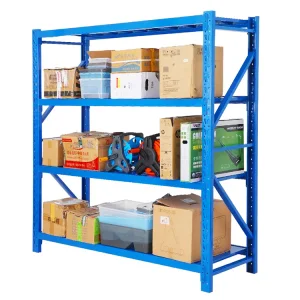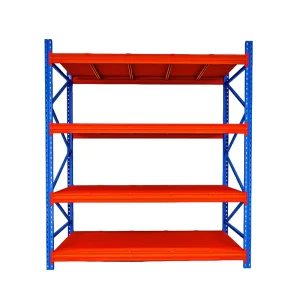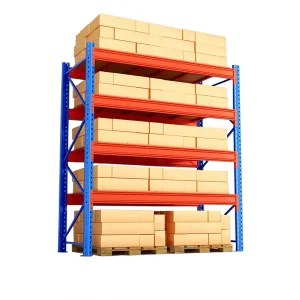
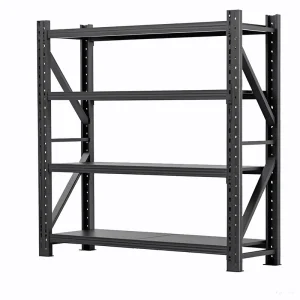
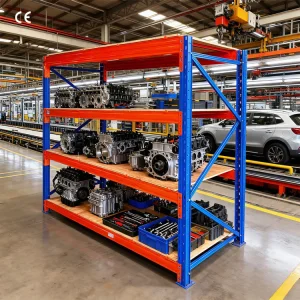
Established in 2015, Guangzhou Fangjiu Shelf Co., Ltd. has positioned itself as a premier manufacturer and global provider of heavy-duty warehouse racking and industrial storage systems. Spanning a modern manufacturing footprint of over 32,000 square meters, our facilities serve as the direct infrastructure backbone for supply chains worldwide.
Integrating 16 years of deep-domain engineering expertise with 8 years of dedicated international export operations, we specialize in high-capacity structural steel racking systems that prioritize structural resilience, load capacity optimization, and compliance with strict safety directives.
With an annual export turnover exceeding $18 million, our logistics solutions span North America, Western Europe, and key high-growth manufacturing sectors in Southeast Asia. Our technical divisions operate with dynamic R&D and QA processes, providing the rigorous calculation parameters required for high-risk seismic environments and high-load distribution centers.
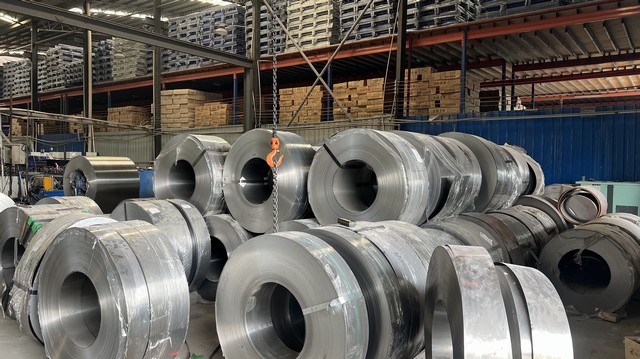
Our plant operates under ISO 9001 quality management procedures. Every racking system meets the structural criteria of standard European EN 15512 and has acquired full CE certification. Raw material selection is verified prior to rolling to confirm physical yield limits.
To align with automated distribution methodologies, heavy-lift racking must undergo digital and structural transformation. Our engineering group focuses on structural developments designed to lower operational footprint, improve sustainability, and optimize load capacities.
Transitioning components from traditional Q235B structural profiles to Q355B and custom micro-alloyed variants allows for a reduction in steel mass without compromising structural safety. This minimizes deflection and improves resistance to fatigue under high cycle rates.
We are designing sensor arrangements to fit upright profiles. By linking strain gauges with local telemetry modules, warehouse networks can monitor real-time deflection parameters and receive notifications prior to structural overload conditions.
Utilizing Finite Element Analysis (FEA), our structural engineers optimize column profiles to resist seismic accelerations. Baseplate assemblies and vertical diagonals are customized to match regional building regulations (such as FEMA or Eurocode 8).
Standard industrial storage is rarely universal. We develop tailored configurations configured for target industrial environments.
Cold storage requires dense configurations to reduce energy demands. Our drive-in systems and mobile shuttle racking systems operate reliably down to -30°C. We apply specific structural coatings to prevent steel embrittlement and protect against humidity.
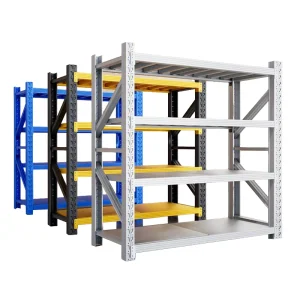
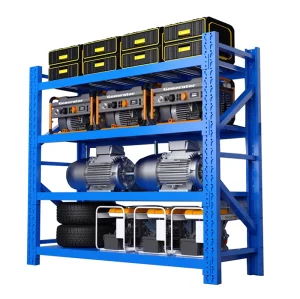
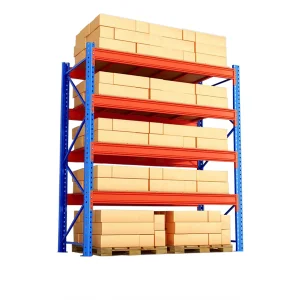
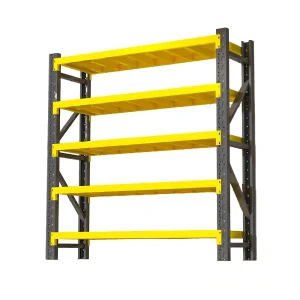
Heavy subassemblies require high capacity levels. We configure heavy-duty cantilever racks and wide-span I-beam platforms capable of supporting point loads exceeding 5,000 kg per level.
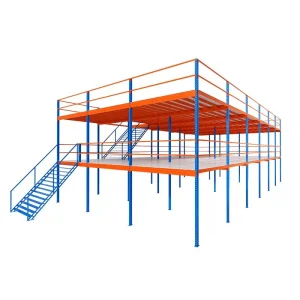
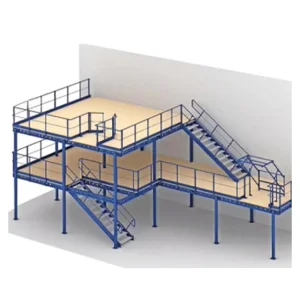
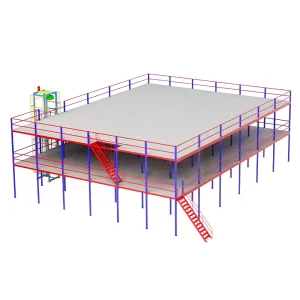
High turnover rates depend on vertical density and accessibility. Our multi-layer mezzanine platforms partition large volume envelopes, providing organized storage layouts compatible with logistics conveyors.
Corrosive items require chemical resistance. We treat steel channels with hot-dip galvanization (conforming to ISO 1461), creating a thick, durable zinc barrier that protects against leaks and humidity.
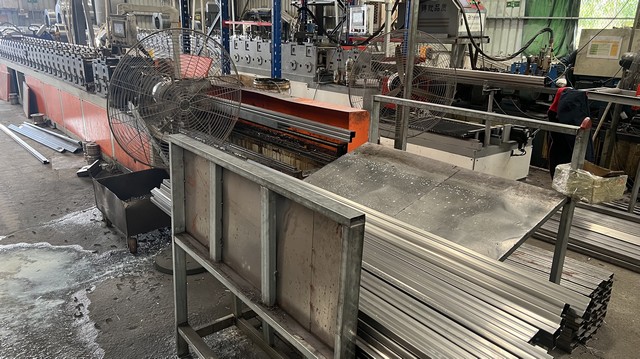
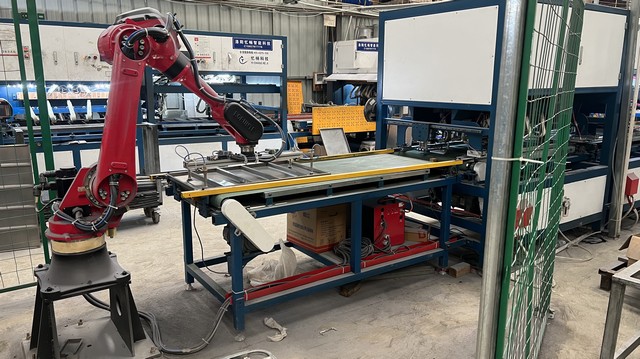
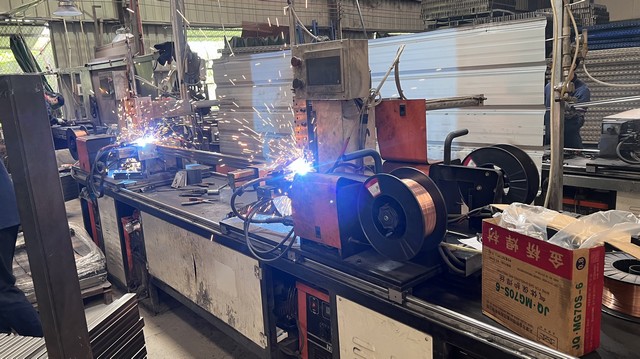
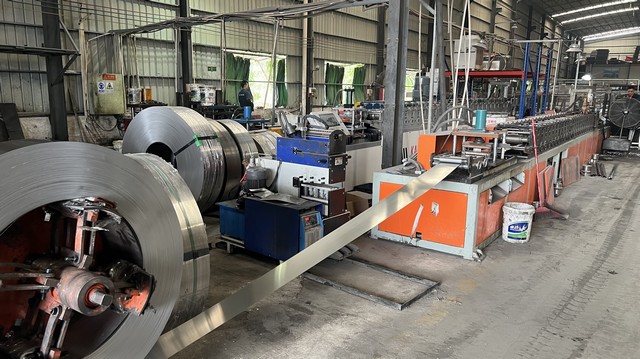
Operating automated rolling mills, computer-controlled welding cells, and electrostatic coating systems, our plant handles large production volumes with reliable quality.
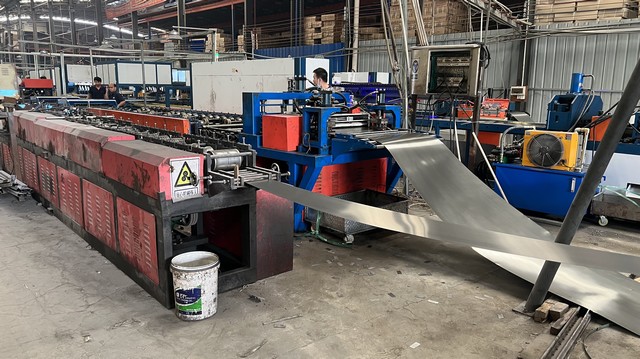
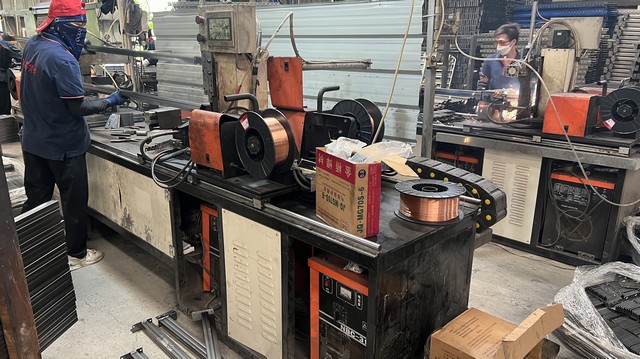
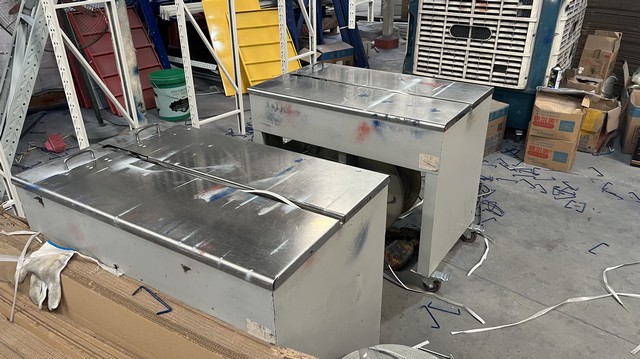
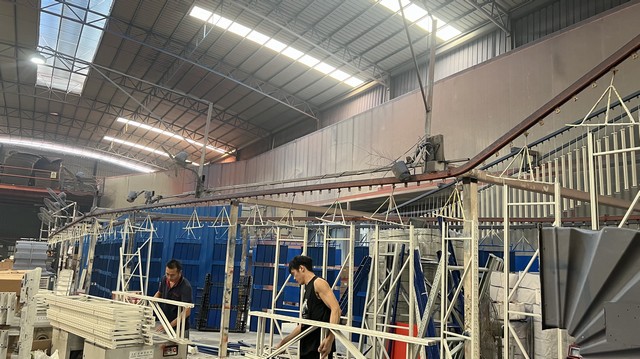
Operating global logistics channels requires compliance with regional safety rules. Our logistics support structures assist procurement partners throughout the certification process:
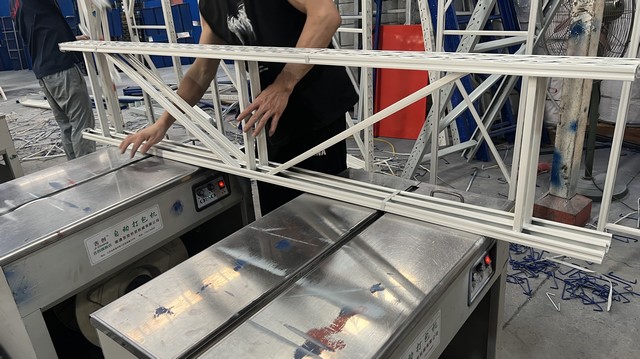
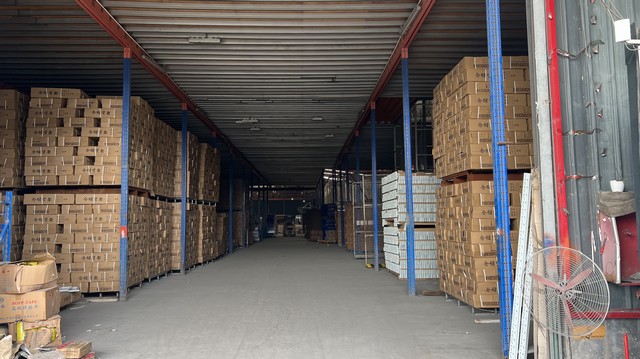
Our close proximity to Guangzhou port enables efficient consolidation and shipping container processing. We bundle steel profiles using custom wooden frames and metal straps to minimize shipping damages, ensuring products arrive in clean condition.
Industrial procurement managers evaluate structural and logistics criteria to determine total cost of ownership (TCO). Use our comparison parameters below:
Confirming steel grade yield strength (e.g. Q235B vs Q355B) is essential to verify vertical stability limits. Heavy-lift systems require certified material mill test reports.
For standard conditions, we utilize dry electrostatic powder coating. In high humidity environments, hot-dip galvanizing protects parts from corrosion.
Heavy systems distribute loads to the floor. Baseplates must match concrete strength class specifications and utilize proper anchor bolts.
 Fangjiu Shelf