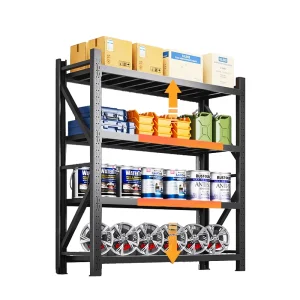
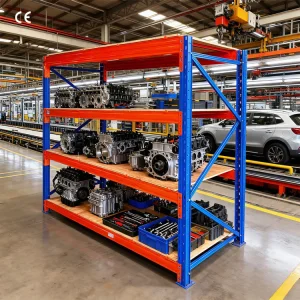
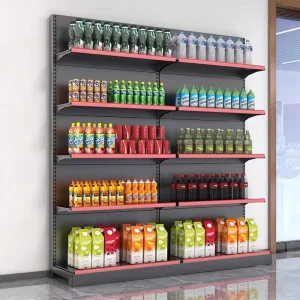
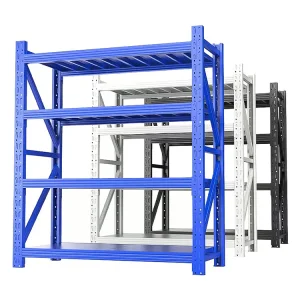
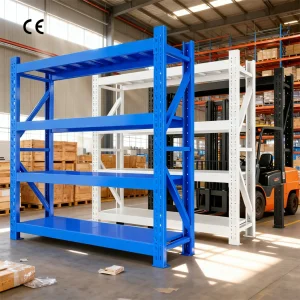
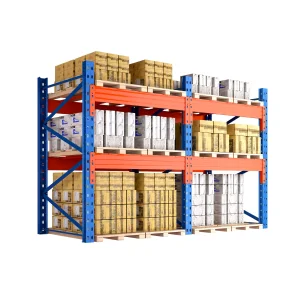
Explore our premium range of heavy-duty and light-duty industrial storage racks designed for durability, ease of deployment, and high-impact structural resistance.
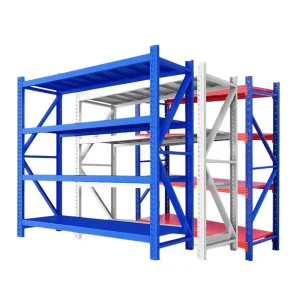
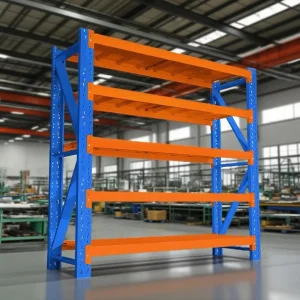
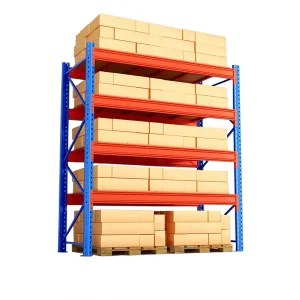
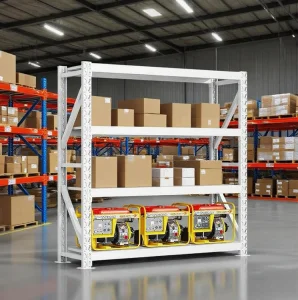
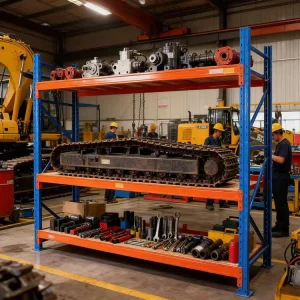
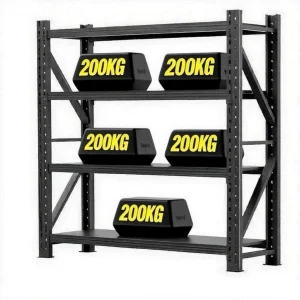
Redefining structural safety, capacity thresholds, and structural integrity in global logistics hubs.
Modern warehouse logistics have entered an era of unprecedented scale and speed. Automated Guided Vehicles (AGVs), heavy-duty reach trucks, and high-speed forklifts zip through modern facilities 24/7. While this improves efficiency, it also introduces dynamic hazards. A single impact from an 8-ton forklift traveling at 10 km/h can deliver structural stresses that compromise traditional racking systems, running the risk of catastrophic collapses, asset loss, and worker injury.
This reality has driven the evolution of **Impact Racks**—specialized racking configurations designed not just to bear dead loads, but to absorb, dissipate, and survive dynamic, horizontal impacts. Traditional designs relied solely on static load calculations (standard Euler-Bernoulli buckling equations). Today, advanced manufacturers utilize finite element analysis (FEA) to design structural members with calculated deflection allowances and integrated impact-resisting zones, ensuring the safety of heavy-duty logistics ecosystems.
SEO Insight & Semantic Value: An "Impact Rack" is not simply a heavy-duty frame; it represents an integrated safety system. Under the European Standard EN 15512 and RMI guidelines, structural racking must undergo rigorous load-testing protocols to ensure elastic deformation characteristics under sudden, low-to-medium horizontal shock loads.
Furthermore, global regulations require certified compliance to prevent industrial structural failures. In Europe and the Americas, compliance frameworks like the CE Mark (conforming to EN 15512 and EN 15635 standards) have transformed from voluntary benchmarks to mandatory legal standards. As a result, sourcing managers now require industrial structural racks that balance weight efficiency with impact resistance.
Understanding the micro-structure and mechanical processing of high-impact industrial racking steel.
The performance of any impact rack depends heavily on its raw material base. High-tensile, cold-rolled carbon steel, specifically grades like Q235 and Q355, serves as the industry standard. These grades strike the ideal balance between yield strength, ductility, and cost-effectiveness. In cold-rolled steel, grain alignment is compressed, significantly increasing the material's yield point compared to hot-rolled alternatives.
An impact-resistant racking system relies on several critical structural components:
| Steel Grade & Treatment | Yield Strength (MPa) | Ultimate Tensile (MPa) | Best Application Scenarios | Compliance Rating |
|---|---|---|---|---|
| Q235 Cold-Rolled (Powder Coated) | 235 | 370 - 500 | Standard light to medium duty warehouse configurations (up to 1,000kg/level) | CE, ISO 9001 |
| Q355 High-Strength (Galvanized/Epoxy) | 355 | 490 - 630 | Heavy industrial storage, seismic regions, cold-chain, high-bay racking systems | CE compliant |
| Hot-Dip Galvanized Structural Steel | ≥ 250 | ≥ 400 | Outdoor storage yards, chemical warehouses, high humidity environments | CE, ASTM Standards |
A global leader in heavy-duty warehouse racking, industrial storage engineering, and international manufacturing.
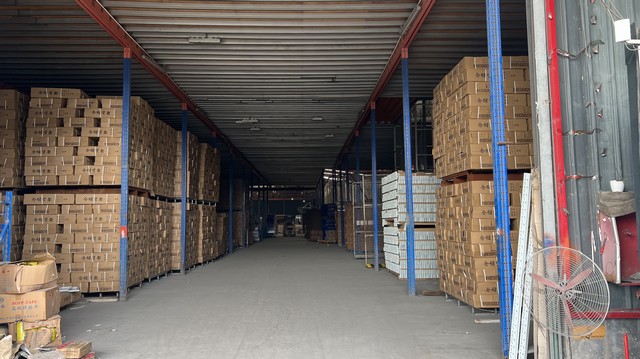
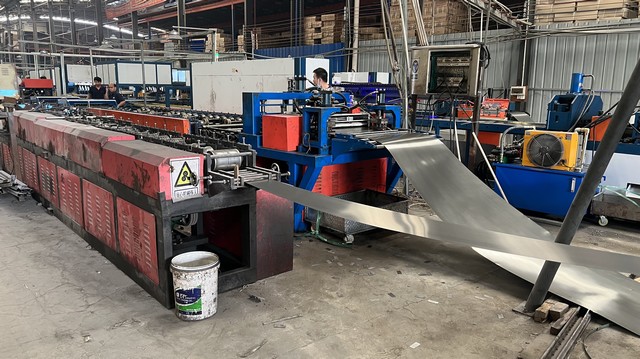
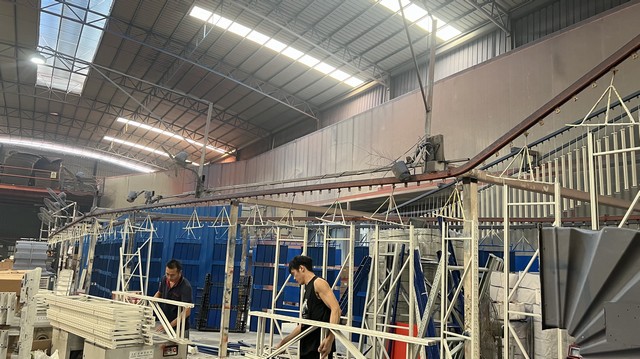
Established in 2015, Guangzhou Fangjiu Shelf Co., Ltd. has grown into a leading manufacturer of heavy-duty warehouse racking and industrial storage systems. Operating a modern, state-of-the-art 32,000 square meter manufacturing facility, we serve as a trusted backbone for global supply chain optimization. Backed by 16 years of deep industry expertise and 8 years of dedicated international export operations, Fangjiu Shelf delivers high-quality storage solutions built for safety, durability, and maximum space efficiency.
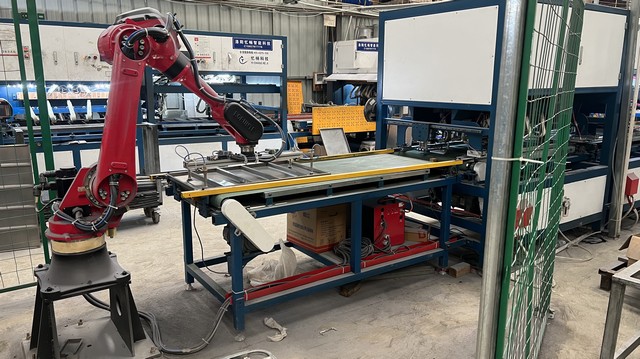
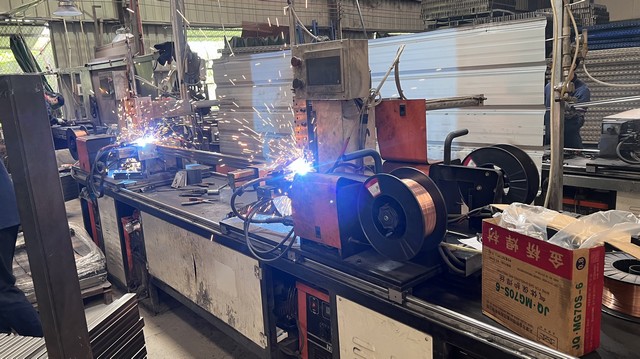
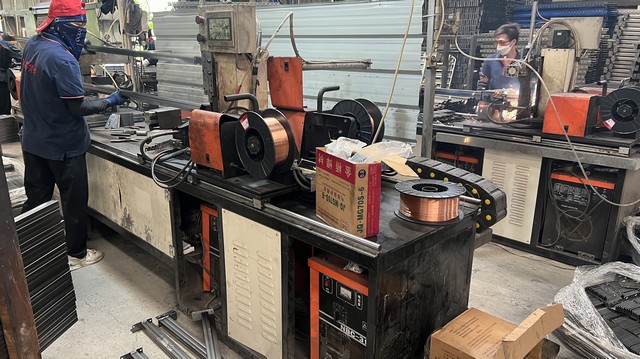
Our strong commercial network and trade capabilities drive over $18 million in annual export turnover. We supply high-performance storage products to major markets across North America, Western Europe, and Southeast Asia. Quality assurance is embedded in every stage of our operations. Supported by a rigorous Quality Management System (ISO 9001, CE certified) and a 35-person QC team, every batch undergoes comprehensive raw material testing, robotic weld inspections, load-bearing stress tests, and powder-coating thickness audits.
Our extensive supply chain integration connects us with over 850 reliable partners, allowing us to serve diverse global clients—ranging from multinational logistics centers and industrial distributors to commercial retail brands. Driven by an advanced R&D team of 18 specialized mechanical and design engineers, we offer full OEM/ODM customization options, including tailored dimensions, custom load capacities, color matching, and seismic structural designs. Reflecting our commitment to continuous innovation, Fangjiu Shelf successfully launched 45 new optimized storage products last year, continuing to set global standards for warehouse safety and efficiency.
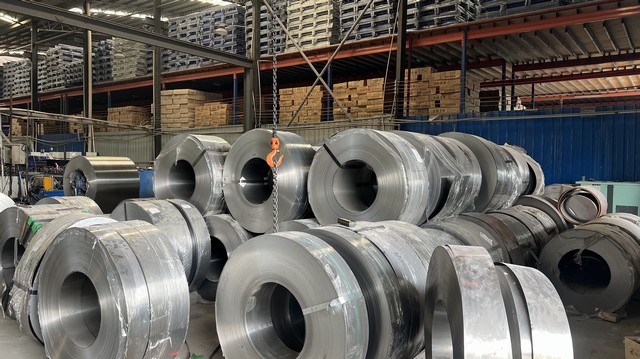
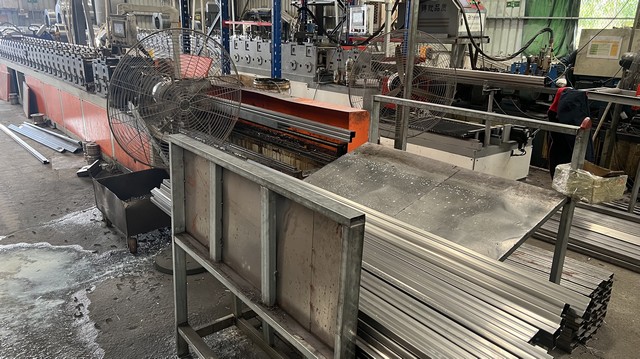
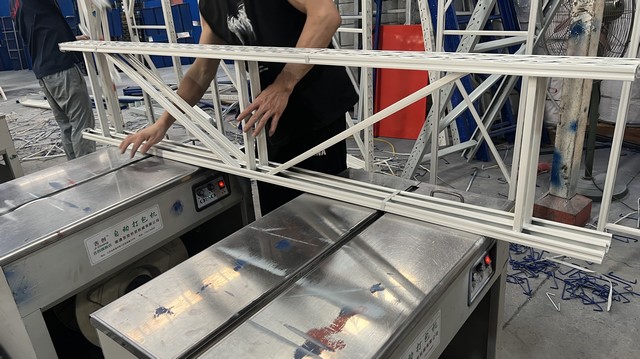
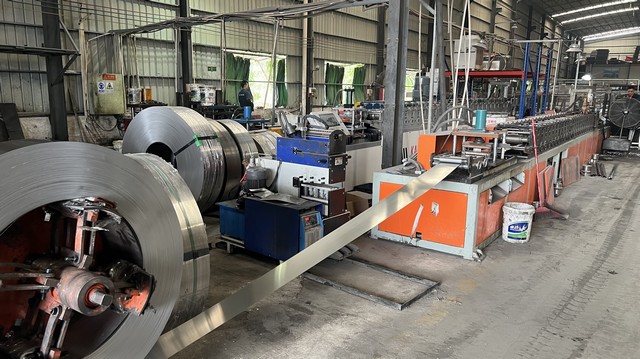
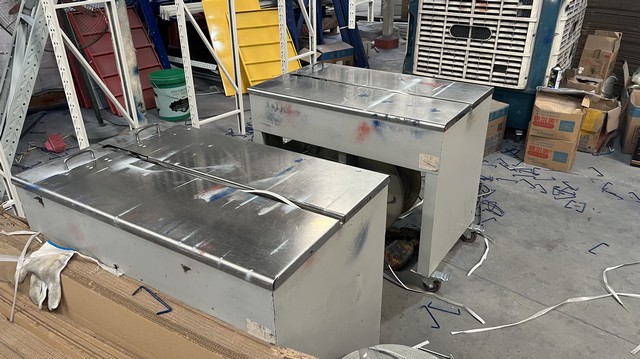
Advanced equipment and stringent quality controls across all stages of production, from raw material sourcing to packaging.
Actionable advice for sourcing managers evaluating global racking factories and suppliers.
Sourcing industrial racking systems involves more than comparing pricing spreadsheets. Procurement managers must navigate compliance risks, structural calculations, and logistical variables. Here are the key criteria for selecting a high-load racking supplier:
Never bypass structural compliance. Verify that your supplier holds valid ISO 9001 and CE certifications. Ask for testing documents that verify adherence to standards like EN 15512 and RMI specifications.
Ensure suppliers provide Mill Test Certificates (MTC) for raw steel. These documents verify the chemistry (carbon, manganese, silicon) and yield strength of the steel coils used in production.
Every facility has unique demands. Choose suppliers with internal R&D engineering teams who can provide Finite Element Analysis (FEA) models tailored to your local seismic activity and load distributions.
In addition to physical product quality, evaluate the supplier's logistical capabilities. A partner that offers custom export packaging (such as specialized steel crates and damage-resistant plastic wraps) ensures that powder-coated components arrive free of corrosion and structural scuffs, ready for installation.
The future of warehouse safety: seismic dampening, smart monitoring, and sustainable manufacturing.
The industrial storage sector is evolving alongside broader automation trends. Over the next decade, racking systems will transition from passive steel structures to active components of the warehouse data network. Several key advancements are leading this shift:
A Commitment to Quality: Guangzhou Fangjiu Shelf Co., Ltd. continuously tests smart sensor technologies and structural enhancements, ensuring that our clients receive advanced, future-proof warehousing systems.
Get answers to common technical queries about industrial impact racks, load limits, and compliance.
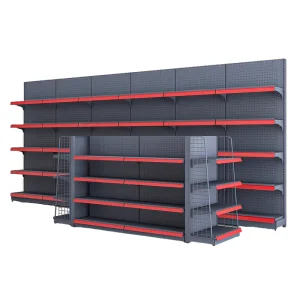
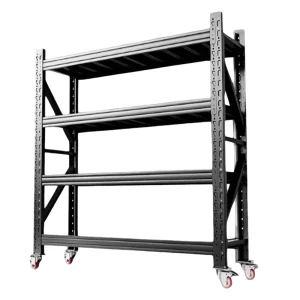
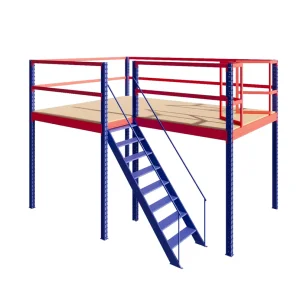
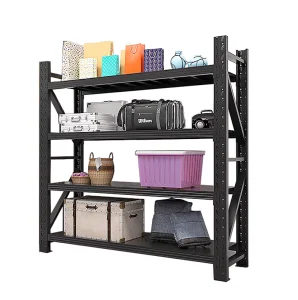
Explore our additional range of light-duty shelves, multi-level mezzanines, and customizable retail storage solutions.
 Fangjiu Shelf