Executive Abstract for Global Logistics Procurement: In modern supply chain architecture, structural stability and regional compliance are non-negotiable. High-density storage facilities require industrial racking systems engineered using premium cold-rolled steel, calibrated for seismic loads, and certified under strict structural testing directives such as EN 15512 and the European CE marking directives. This document highlights technical insights, engineering standards, manufacturing processes, and strategic supply chain optimizations critical for procuring enterprise-level industrial shelving.
Guangzhou Fangjiu Shelf Co., Ltd. is a premier manufacturer and global provider of heavy-duty warehouse racking and industrial storage systems. Established in 2015, the company operates a modern manufacturing facility spanning 32,000 square meters, serving as a trusted backbone for global supply chain optimization. With 16 years of deep industry expertise and 8 years of dedicated international export experience, Fangjiu Shelf delivers high-caliber storage solutions engineered for durability, safety, and operational efficiency. Driven by strong trade backgrounds and robust commercial capabilities, we generate over $18 million in annual export turnover, exporting high-performance storage products to major markets across North America, Western Europe, and Southeast Asia.
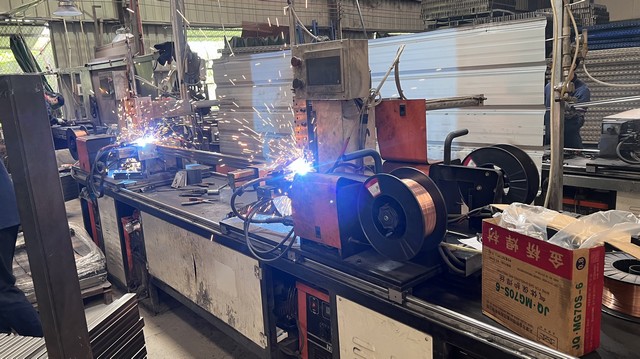
Quality assurance is embedded in every stage of our operations. Supported by a rigorous Quality Management System (ISO 9001, CE certified) and a dedicated team of 35 quality control personnel, every batch undergoes comprehensive raw material testing, robotic weld inspection, load-bearing stress tests, and powder-coating thickness audits. Our extensive industry integration connects us with over 850 reliable supply chain partners, allowing us to supply diverse global clients—ranging from multinational logistics centers and industrial distributors to commercial retail brands. Backed by advanced R&D capabilities, including 18 specialized mechanical and design engineers, we offer full OEM/ODM custom options—including custom dimensioning, load capacity engineering, color matching, and special seismic structural design. Demonstrating our commitment to continuous innovation, Fangjiu Shelf successfully launched 45 new optimized storage products last year, continuing to set standards for warehouse safety and efficiency worldwide.
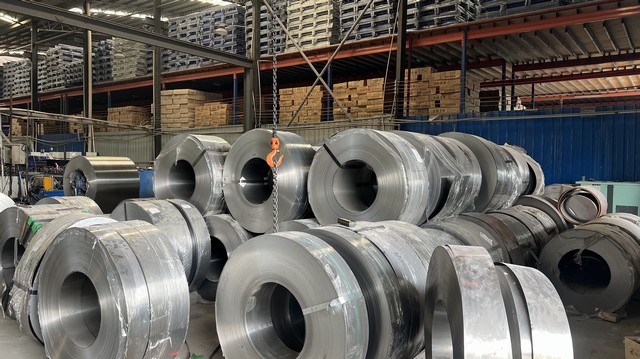
The manufacturing ecosystem for industrial storage in China provides a unique synergy of economies of scale, metallurgy, and automated production. By leveraging hot-rolled and cold-rolled carbon steel sourcing directly from leading domestic steel mills (such as Baosteel and Ansteel), Chinese manufacturers guarantee structural grades like Q235B and Q345B. These steel classes are known for their high yield strength, excellent ductility, and structural predictability under static and dynamic loading.
Unlike regional fabricators who rely on secondary scrap profiles, our supply chain guarantees 100% prime-grade cold-rolled steel. This ensures uniform profile thickness, high structural yield limits, and consistent weld penetration.
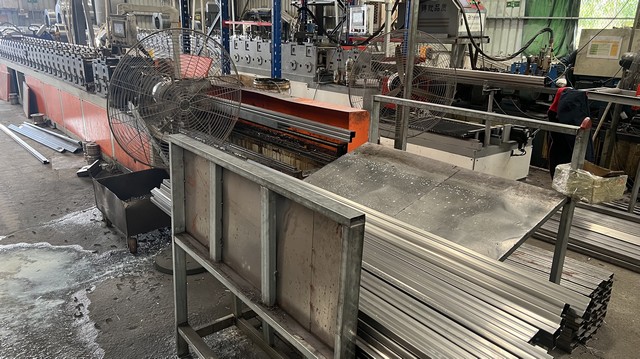
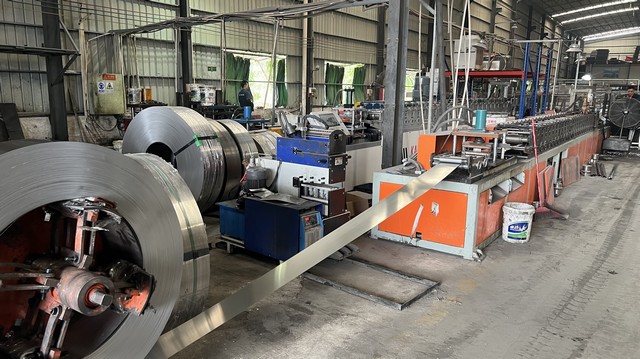
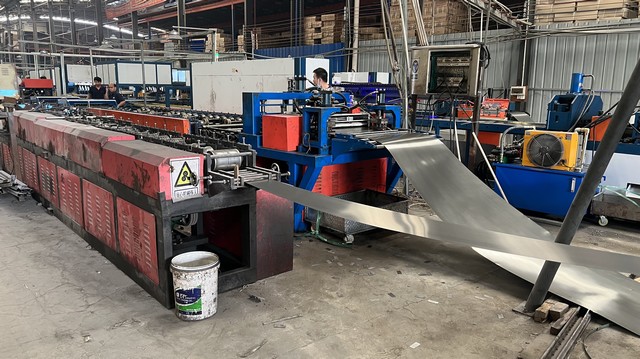
Equipped with advanced CNC multi-station rolling machines, upright posts and beams are roll-formed in one single continuous process. This eliminates micro-fractures in cold-bent profiles and ensures hole-pitch accuracy down to 0.1mm.
Positioned strategically in Guangzhou, our production center links directly with international freight terminals. This decreases internal transit times and reduces ocean freight preparation costs for heavy-cargo movements.
Our integration with over 850 strategic upstream component suppliers allows us to source specialized anchor bolts, wire decking, safety dynamic barriers, and custom fasteners with minimal lead times. This allows us to buffer global supply chains against localized steel price fluctuations and supply disruptions.
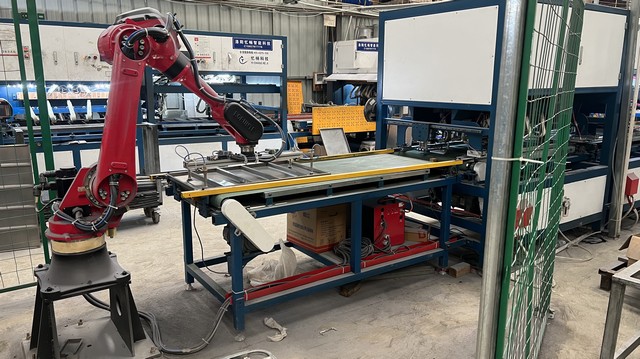
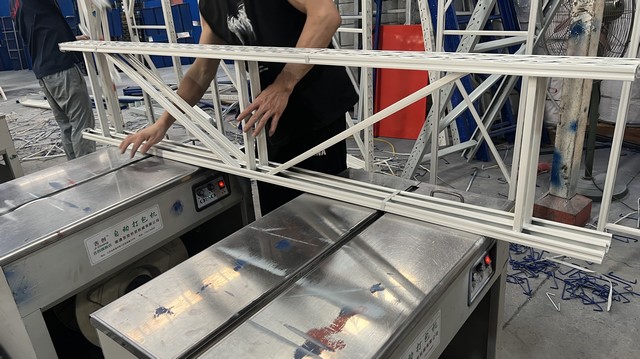
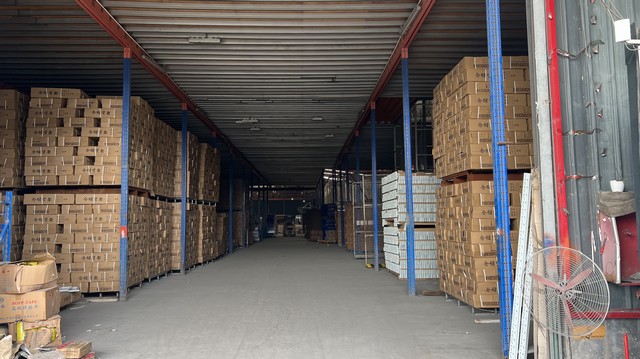
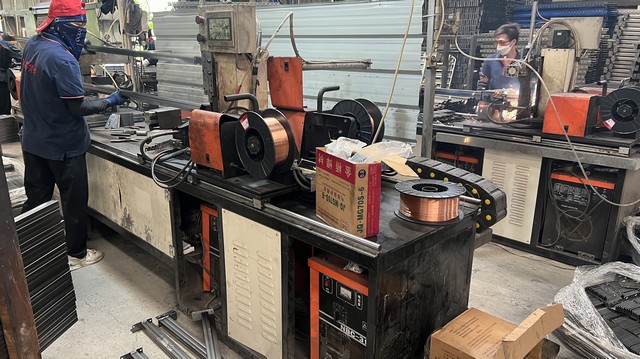
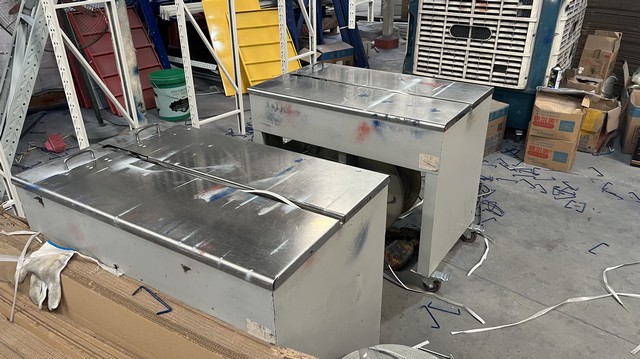
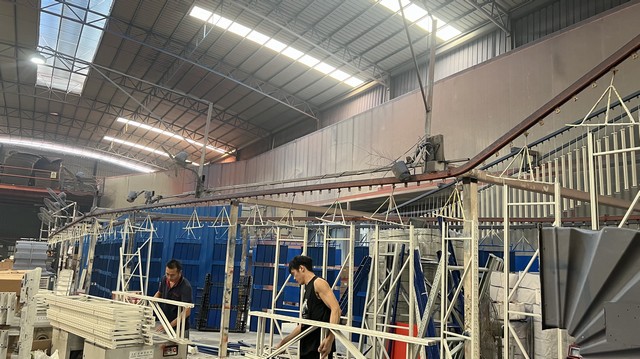
Below is a visual breakdown of our state-of-the-art production lines, showcasing each critical phase of processing from steel coil slitting and automated roll-forming to computerized robotic welding and powder-coating systems.
When engineering high-bay structures or multi-level mezzanines, procurement managers must evaluate several technical parameters. Racking systems are not just metal shelves; they are structural building elements carrying high-load dynamics under various environmental and seismic conditions.
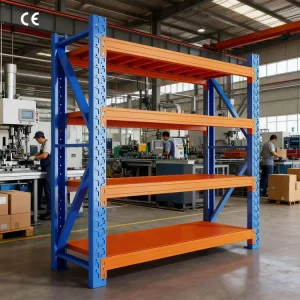
CE Certification indicates compliance with EU directive EN 15512 (Adjustable pallet racking systems – Principles for structural design). It guarantees that calculations for ultimate limit states and serviceability limit states are verified against structural buckling, shear deformation, and torsional forces.
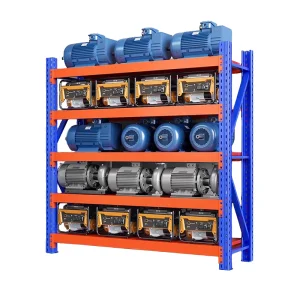
Each shelf profile must support loads between 1,000kg and 5,000kg without exceeding allowable deflection levels (typically L/200 for safe operations, meaning deflection is limited to 1/200th of the span length).
To resist corrosion in ambient warehouses, components undergo multi-stage chemical pre-treatments followed by an electrostatic application of epoxy-polyester powder. This is baked at high temperatures to achieve a minimum coating thickness of 60 to 80 microns, ensuring resistance to impacts and scratches.
Every warehouse location presents unique structural challenges. For example, cold storage facilities in Northern Europe require steel that maintains structural ductility at sub-zero temperatures (specifically verified charpy V-notch impact values). Conversely, facilities in seismically active regions like Western North America or parts of Southern Europe require structural configurations modeled with extra baseplate anchoring and increased upright cross bracing to handle lateral ground accelerations.
The warehousing landscape is shifting from manual material handling to automated logistics and high-density environments. Our R&D department tracks these macro shifts, updating our production lines to meet modern logistics demands.
Automated Storage and Retrieval Systems (AS/RS) require strict tolerances. Upright deviations of just a few millimeters can cause sensor faults in high-speed shuttle cranes. Our robotic production processes achieve mechanical manufacturing tolerances within ±1mm across 10-meter upright spans.
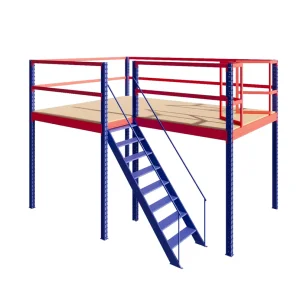
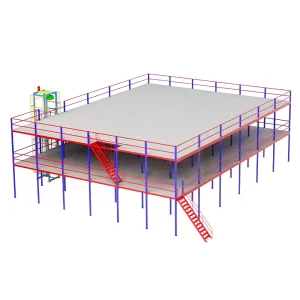
As industrial land costs rise, utilizing vertical space is key. Multi-tier mezzanine structures double or triple floor areas without requiring expansion of the building footprint. Our custom platforms use heavy-duty steel I-beams, cold-formed floor joists, and open steel gratings to maximize natural light and airflow.
Environmental compatibility is increasingly important in global supply chains. Our powder coating processes utilize non-toxic raw materials free of VOCs (volatile organic compounds), meeting regional REACH and RoHS compliance standards in European and North American jurisdictions.
CE certification demonstrates that our industrial steel racking systems conform to EU directives for health, safety, and environmental protection. Specifically, it means our designs are calculated in accordance with EN 15512 and EN 15620, ensuring mechanical strength, stability, and deflection limits meet European standards.
We use primary high-strength low-alloy structural steel, mainly grades Q235B and Q345B (comparable to S235JR and S355JR under European EN standards). Each batch of steel coils comes with Mill Test Certificates (MTC) detailing chemical composition (carbon, manganese, silicon contents) and physical testing yields.
Yes. Our team of 18 R&D and mechanical engineers performs structural modeling to design racks that withstand seismic loads. For cold storage, we specify steel grades tested for sub-zero impact strength to prevent brittle failure under constant low-temperature operations.
Our ISO 9001 quality program, managed by 35 QA/QC personnel, conducts multi-phase inspections: 1) Incoming steel dimension and surface checking, 2) Ultrasonic and magnetic particle testing on welds, 3) Dynamic and static load testing on finished components, and 4) Powder coating thickness and cross-cut adhesion tests.
Standard engineering drawings and production planning are completed within 7 to 10 days. Once designs are approved, manufacturing for average bulk orders (ranging from 10 to 50 containers) takes 25 to 35 days, utilizing our automatic roll-forming and robotic welding lines to maintain schedule accuracy.
 Fangjiu Shelf