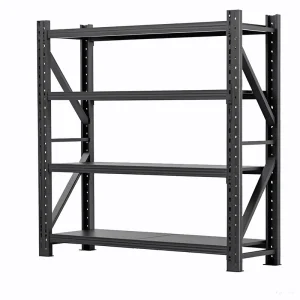
Explore our top-performing CE-certified industrial pallet racks and custom shelving units. Designed for maximum load optimization, warehouse safety, and long-term durability.
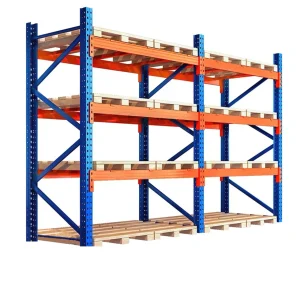
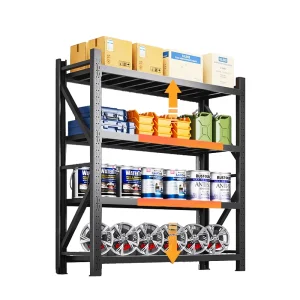
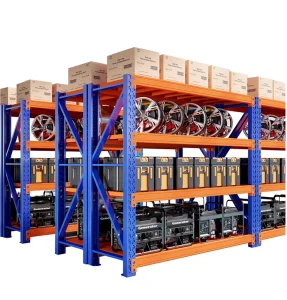
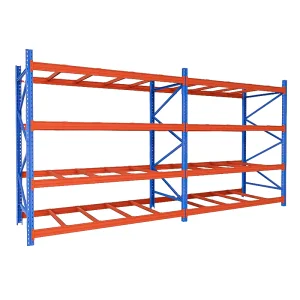
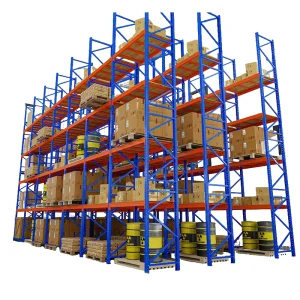
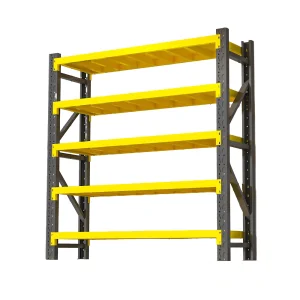
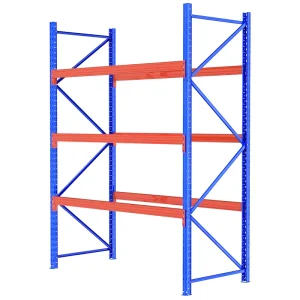
The modern global supply chain operates under unprecedented structural pressures. The continuous growth of worldwide e-commerce, third-party logistics (3PL) integration, and precision manufacturing requires warehouses to maximize volumetric efficiency. Industrial metal shelving and heavy-duty steel structures are no longer simple storage accessories. They are critical elements of logistics automation systems, directly impacting safety, cycle times, and operational performance.
In regions such as Western Europe and North America, strict safety codes govern warehouse designs. Structural racking solutions must comply with international engineering standards, including the European Standard EN 15512 and the Rack Manufacturers Institute (RMI) specification. These standards define calculations for structural deflection limits under load, uniform load distributions (UDL), and seismic force resilience.
Globally, procurement departments prioritize compliance and structural reliability. Steel shelving installations must withstand dynamic vertical forces, accidental forklift impacts, and localized environment changes, including temperature fluctuations in cold chain environments. As a result, selecting certified manufacturers with deep engineering and supply chain integration is critical to minimizing risk and ensuring long-term operational performance.
For European and global buyers, the CE Mark represents compliance with strict safety, health, and environmental protection standards. Industrial metal racking is classified under load-bearing steel structure regulations, requiring compliant raw materials, verified calculations, and rigorous production monitoring.
Strict raw material tracking of Q235B and Q345B steel grades ensures verified yield strengths and uniform thicknesses.
Structural analysis using finite element methods (FEM) verifies safety limits for vertical and lateral load conditions.
Consistent ultrasonic weld inspections and coating thickness tests maintain compliance across production batches.
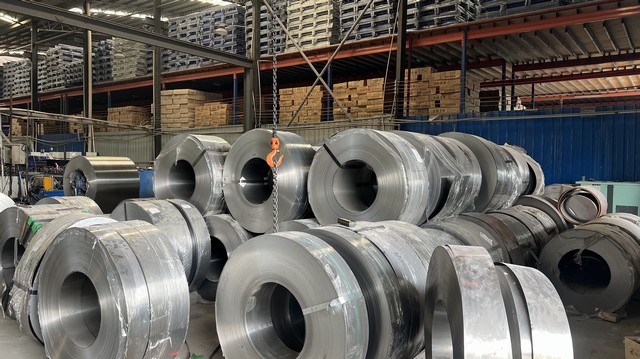
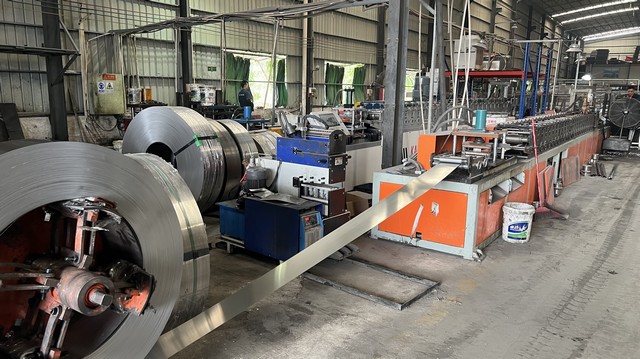
Guangzhou Fangjiu Shelf Co., Ltd. builds on a foundation of ISO 9001 and CE certifications to supply complex, high-density warehousing systems. Our QA department operates testing facilities where raw cold-rolled steel coils, welded frames, and connection brackets undergo structural testing before being shipped to global projects.
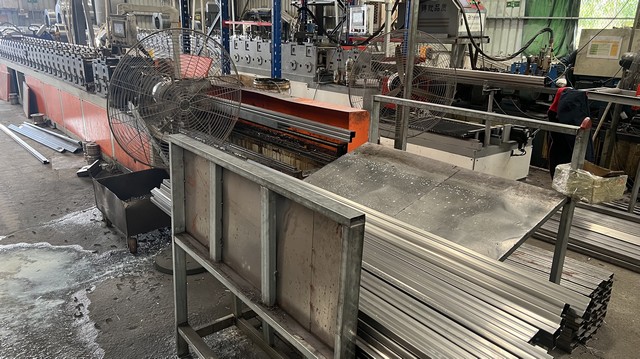
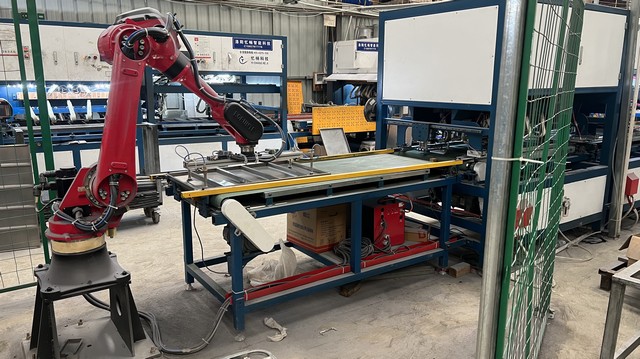
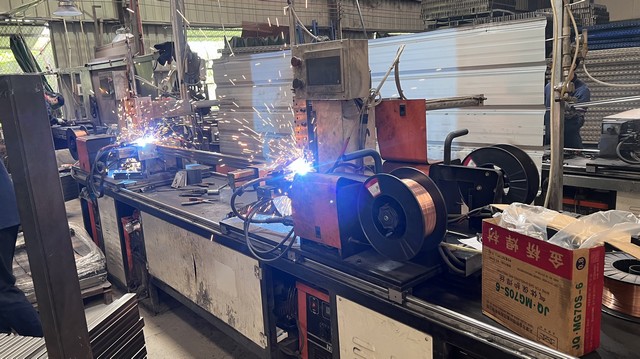
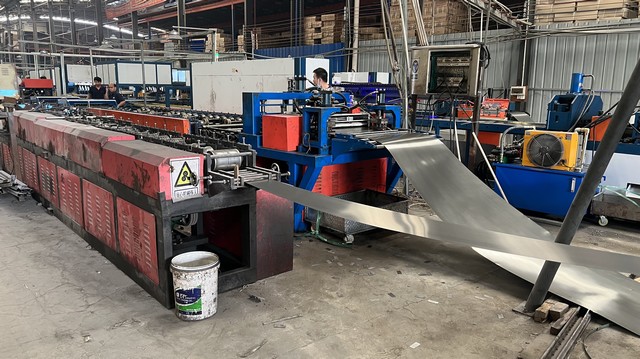
Based in Guangzhou's industrial corridor, Guangzhou Fangjiu Shelf Co., Ltd. utilizes localized supply networks to manufacture cost-effective, high-quality steel structures. Spanning a 32,000-square-meter facility, our manufacturing lines integrate automated cold-rolling, precision punching, robotic welding, and automated powder coating systems.
With an annual export volume exceeding $18 million, our global operations serve partners in North America, Western Europe, and Southeast Asia. Backed by 16 years of manufacturing experience, our team of 18 design and structural engineers supports complete OEM and ODM projects, delivering custom dimensions and localized seismic load designs.
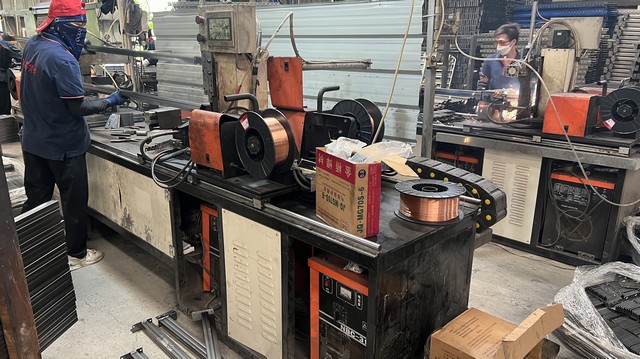
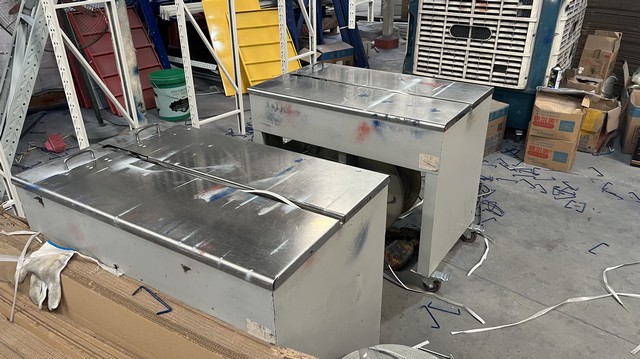
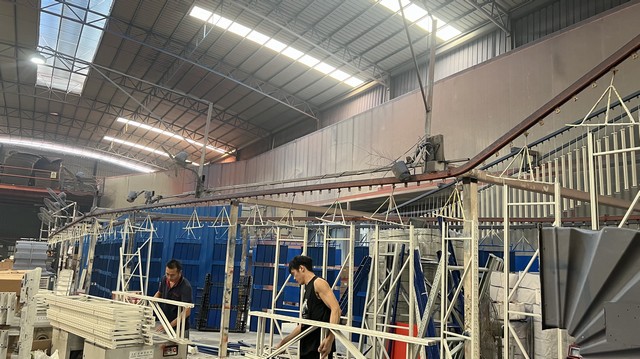
A walkthrough of our 32,000㎡ manufacturing operations, demonstrating automated production control and strict quality standards at every step.
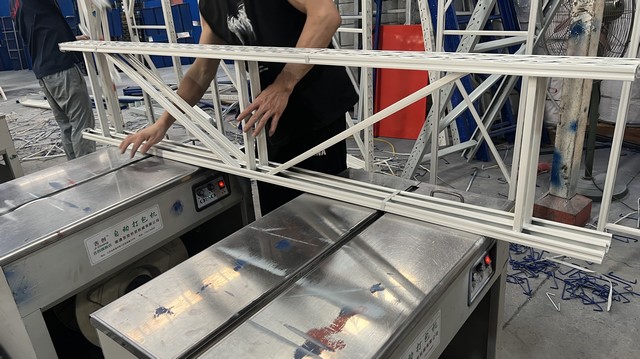
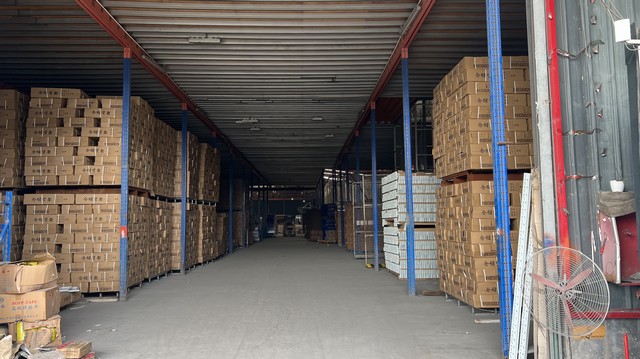
Industrial shelving must adapt to distinct operating environments. Selecting the correct system design, surface treatment, and steel thickness prevents early structural wear and optimizes warehouse storage space.
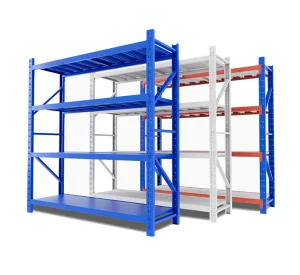
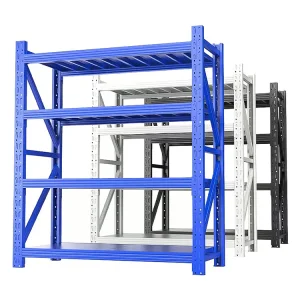
Utilizes multi-level, boltless shelving designs. Integrates open frames for ventilation and quick SKU access, supporting fast fulfillment rates and high-frequency order picking.
Relies on heavy galvanizing to withstand temperatures down to -30°C. Resists rust and maintains steel toughness, avoiding structural weakness from thermal cycles.
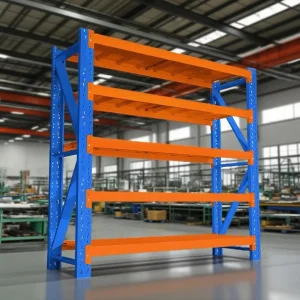
Employs structural steel frames and heavy-duty beams. Built to store dense, irregular components while maintaining load stability and forklift impact protection.
Understanding environmental requirements allows project teams to configure shelving systems for safety and cost-efficiency. Our engineering department reviews floor plans and design requirements, ensuring installations comply with localized safety and space guidelines.
The warehousing sector is moving toward automated, data-driven systems. Traditional static racking structures are transitioning to integrate with automated storage and retrieval systems (AS/RS), shuttle operations, and autonomous mobile robot (AMR) systems.
Modern projects specify high-tolerance, precise racking designs. Automated systems require structural deviations under 2mm to ensure sensors, robotic lifts, and conveyors align properly. To support these setups, manufacturers utilize cold-rolling lines with optical measuring devices, verifying dimensional accuracy before shipping.
Additionally, sustainability is an increasing priority for global warehouse developments. Powder formulations free of heavy metals, energy-efficient manufacturing processes, and highly recyclable steel raw materials help global companies meet ESG requirements while securing high-performance, long-lasting storage infrastructure.
Evaluating steel racking systems requires assessing specific load-bearing and chemical specifications. Buyers should focus on verified physical performance metrics rather than relying solely on thickness measurements.
By verifying these specifications, engineering teams can secure reliable storage systems that mitigate safety risks, prevent beam bowing, and ensure smooth warehouse operations under maximum loads.
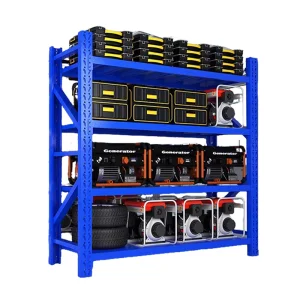
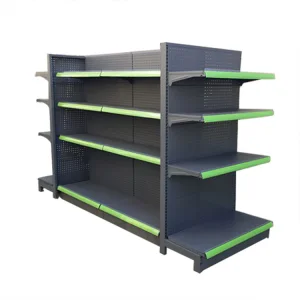
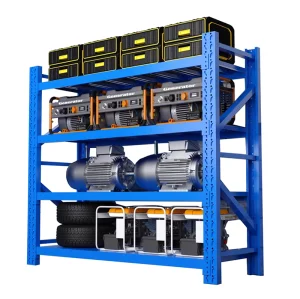
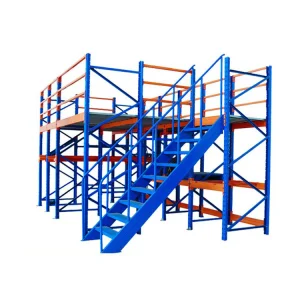
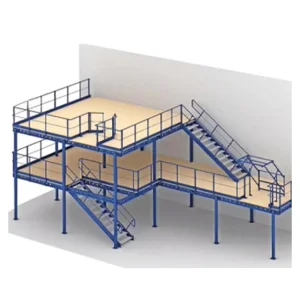
Compare our warehouse steel platforms, high-level stacking mezzanines, and adjustable convenience store display racks.
 Fangjiu Shelf