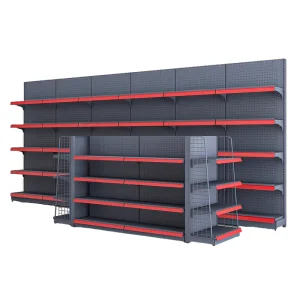
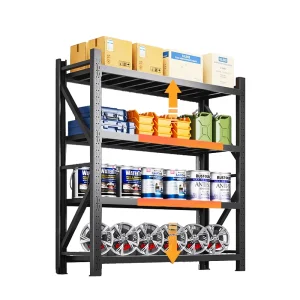
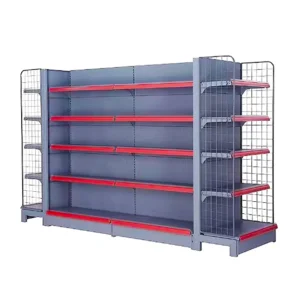
Explore our CE certified range of structural pallet racks and high-density industrial racking units optimized for global distribution networks.
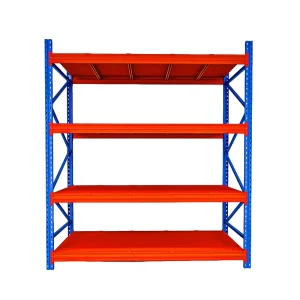
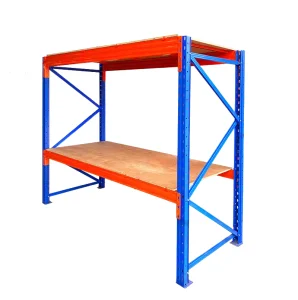
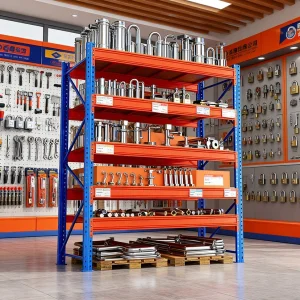
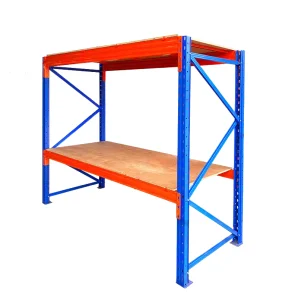
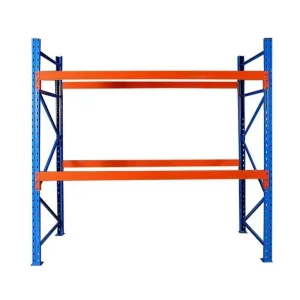
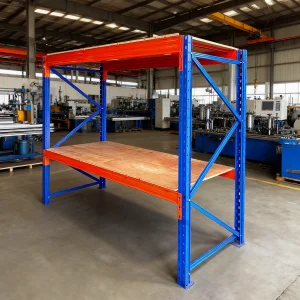
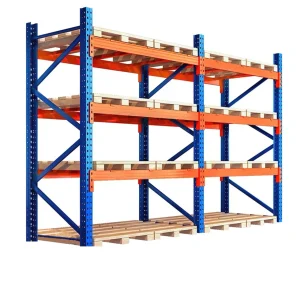
Guangzhou Fangjiu Shelf Co., Ltd. is a premier manufacturer and global provider of heavy-duty warehouse racking and industrial storage systems. Established in 2015, the company operates a modern manufacturing facility spanning 32,000 square meters, serving as a trusted backbone for global supply chain optimization.
With 16 years of deep industry expertise and 8 years of dedicated international export experience, Fangjiu Shelf delivers high-caliber storage solutions engineered for durability, safety, and operational efficiency. Driven by strong trade backgrounds and robust commercial capabilities, we generate over $18 million in annual export turnover.
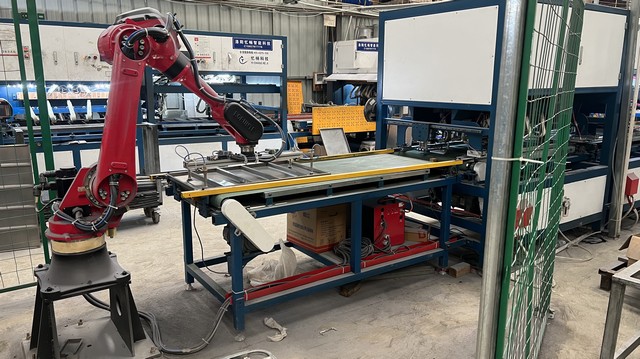
Supported by a rigorous Quality Management System (ISO 9001, CE certified) and a dedicated team of 35 quality control personnel, every batch undergoes comprehensive raw material testing, robotic weld inspection, load-bearing stress tests, and powder-coating thickness audits. Our R&D team of 18 specialized mechanical and design engineers provides comprehensive OEM/ODM configurations tailored to strict seismic requirements.
A deep dive into how nested carts, dynamic carriage slopes, and structural physics optimize modern warehousing footprints.
Push-back pallet racking systems are dynamic storage structures engineered to maximize density while retaining immediate accessibility to individual lanes. Unlike standard selective racking, which requires multiple access aisles, a push-back storage system operates on a Last-In, First-Out (LIFO) inventory management methodology. The structural mechanics leverage a series of nested, inclined carts that glide along structural steel channels.
When a forklift operator deposits a pallet, the first pallet sits on the top cart. As the next pallet is introduced, the forklift pushes the first pallet back, exposing the next cart down in the nested assembly. When unloading, the reverse occurs: as the front pallet is retrieved, gravity gently pulls the remaining pallets forward to the picking aisle face. This removes the need for forklifts to enter the physical rack structure, minimizing risk to the structural integrity and maximizing workplace safety.
Engineering the next generation of smart warehouse racks utilizing high-tensile steel, IoT monitoring, and robotic logistics integration.
Transitioning to ultra-high-strength Q355B and Q420 steel alloys, decreasing dead weight of racking frames while scaling maximum load capacities to over 2500kg per pallet level.
Integrating embedded visual and pressure sensors inside nested carts. Provides real-time weight diagnostics, blockages alerts, and wireless analytics to ERP/WMS systems.
Designing specialized entry guides and track dampeners to allow autonomous laser-guided vehicles to seamlessly push and pull loads without manual human override.
Deploying specialized heavy-duty solutions configured specifically for global industries with strict cold-chain, hazardous, and velocity requirements.
Operating temperatures down to -30°C. Cold rooms demand high storage density due to immense cooling energy expenditures. Our push-back racking features low-temperature structural steel, rust-inhibiting galvanized elements, and specialized grease to prevent cart freeze-ups.
FMCG warehouses require high throughput and flexible volume sizing. Single-product runs benefit from 3-to-6 deep push-back lanes that speed up load cycling without losing batch visibility.
Accommodating dynamic heavy loads up to 1500kg per pallet position. Steel frames are enhanced with custom anti-corrosive powder finishes to resist high humidity, heavy industrial dust, and grease exposure.
How does Push-Back racking perform against other high-density configurations?
| Racking Type | Density | Selectivity | FIFO/LIFO |
|---|---|---|---|
| Selective | Low (40%) | 100% | Either |
| Push-Back | High (75%) | Medium | LIFO |
| Drive-In | Very High (85%) | Low | LIFO |
| Pallet Flow | Maximum (90%) | Medium | FIFO |
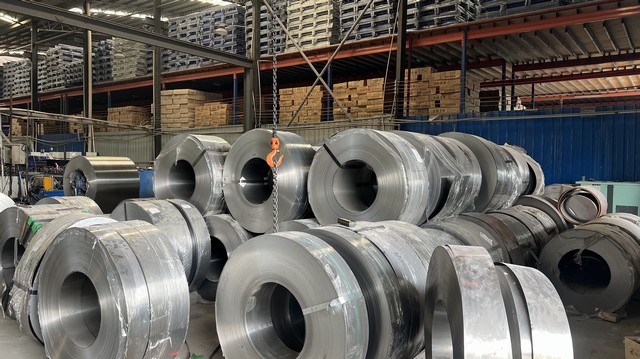
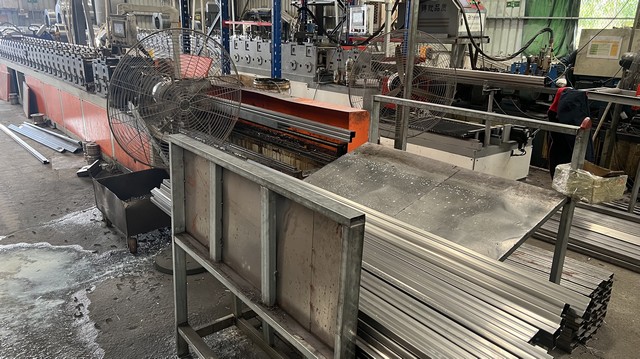
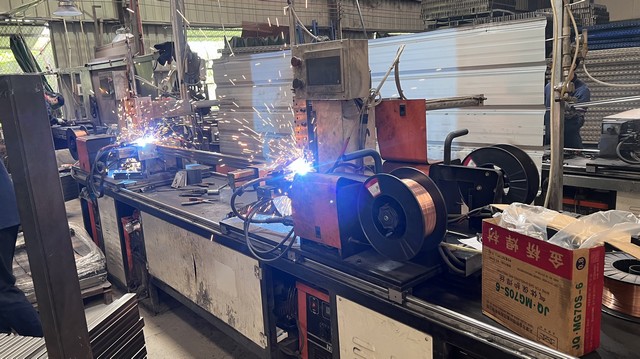
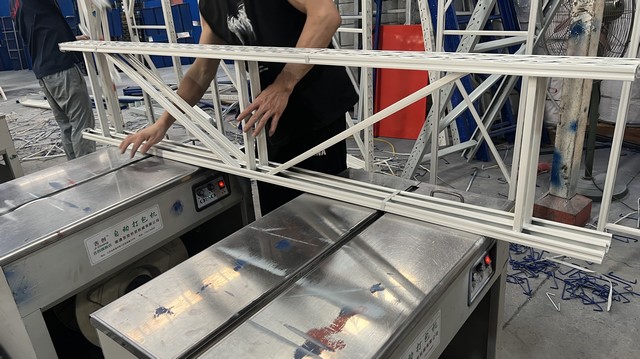
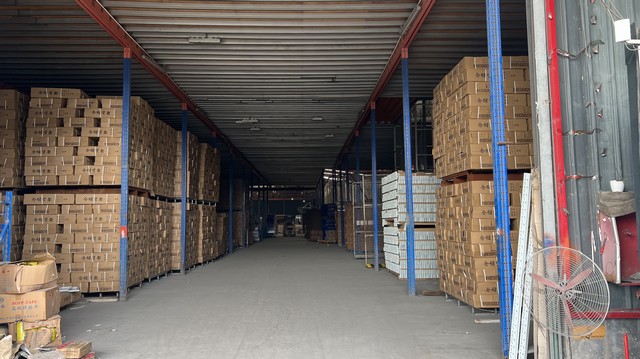
Inside Fangjiu's 32,000 square meter ISO 9001 certified facility utilizing smart fabrication automation.
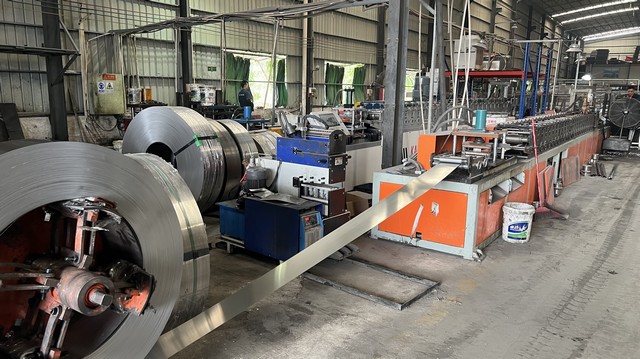
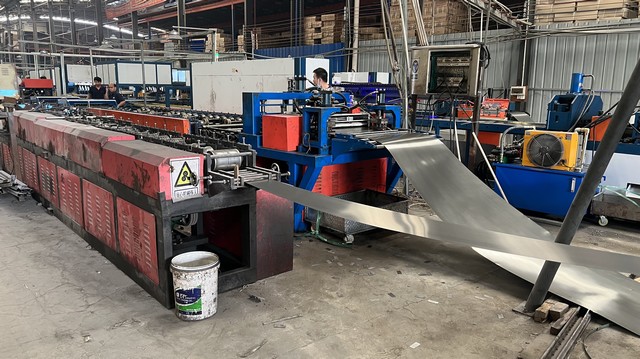
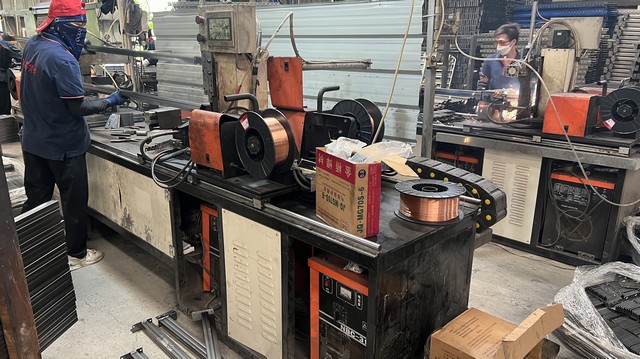
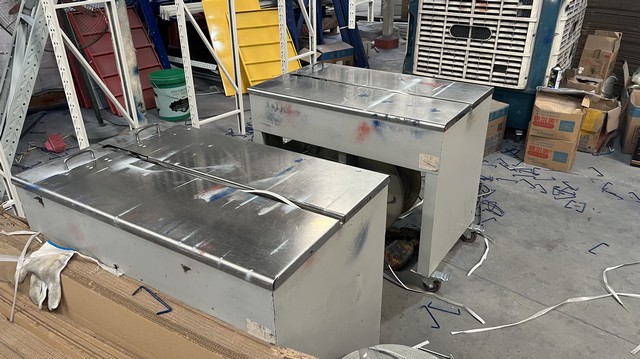
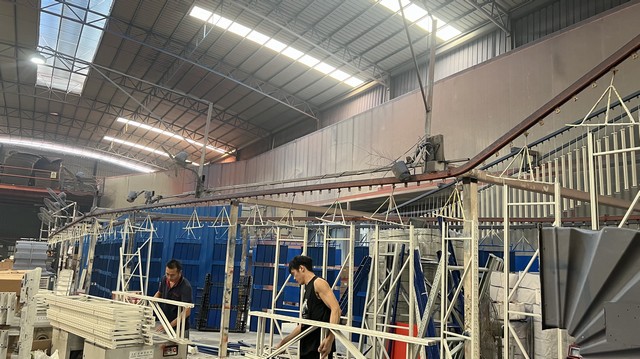
Adhering strictly to international safety and steel structure codes to ensure liability-free compliance.
For global warehouse projects, local regulatory compliance is non-negotiable. Fangjiu Shelf products are fully CE Certified and manufactured to align with European EN 15512 and American RMI (Rack Manufacturers Institute) standards. We perform seismic analysis dynamically using computerized structural modeling software to determine custom bracing requirements for high-risk zones (such as dynamic seismic regions in North America and Southeast Asia).
To streamline import operations, we support DDP/CIF/FOB terms, providing comprehensive clearance packages containing detailed load capacity plates, installation instructions, structural CAD blueprints, and localized material test documentation.
How our integrated factory direct framework eliminates middle-man margins and quality inconsistencies.
Our 35-person internal QA division monitors structural steel thickness tolerance, weld penetration, and uniform powder layer thicknesses to eliminate premature failure rates.
Fangjiu's dedicated shipping coordinators utilize custom nesting flat-pack configurations to maximize sea-freight container volume efficiency, reducing structural scratch risks.
Our in-house design engineers model structural calculations to match your specific pallet footprints, clearance ceilings, forklift lift-height limits, and forklift models.
Expert technical queries on safety, configuration, engineering, and international certifications answered directly by our design team.
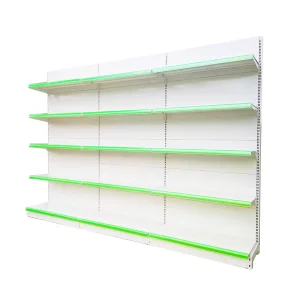
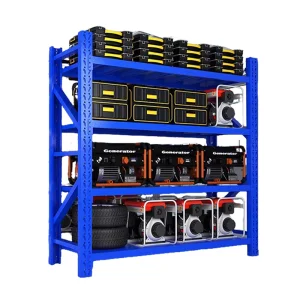
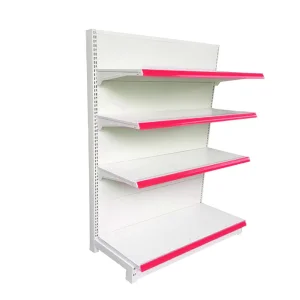
Discover more high-performance solutions designed to maximize storage densities, commercial spaces, and multi-tier logistics configurations.
 Fangjiu Shelf