Explore our flagship heavy-duty storage configurations designed for rapid tool-free assembly, high-load capacities, and industrial-grade corrosion protection.
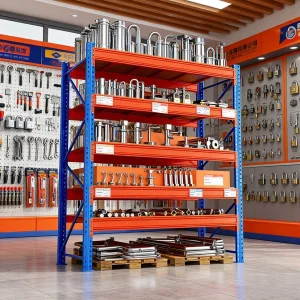
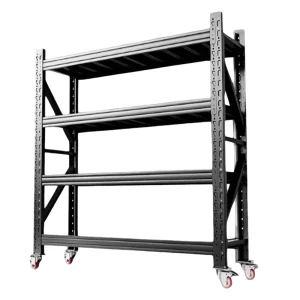
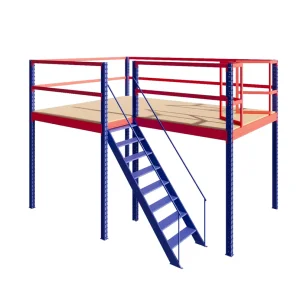
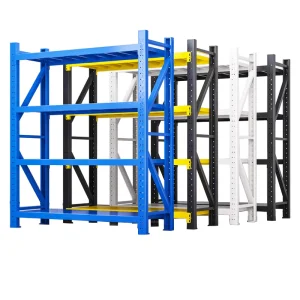
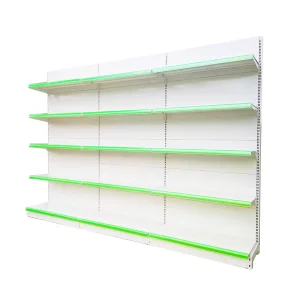
Established in 2015, Guangzhou Fangjiu Shelf Co., Ltd. is a premier global manufacturer specializing in heavy-duty warehouse racking and industrial storage systems. Spanning a modern 32,000 square meters manufacturing facility, we serve as the structural backbone for logistics operations worldwide. Our engineering team integrates 16 years of industry experience with 8 years of dedicated export capability, serving logistics centers, retail distributors, and industrial facilities in North America, Western Europe, and Southeast Asia.
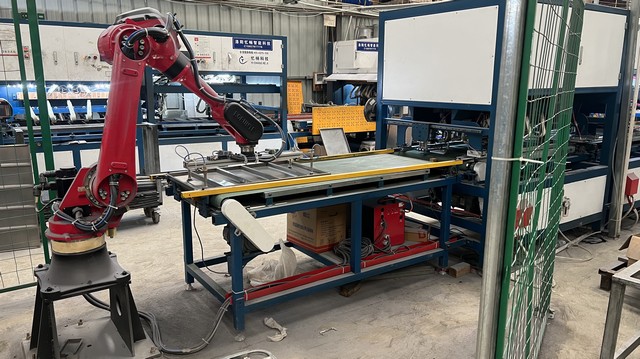
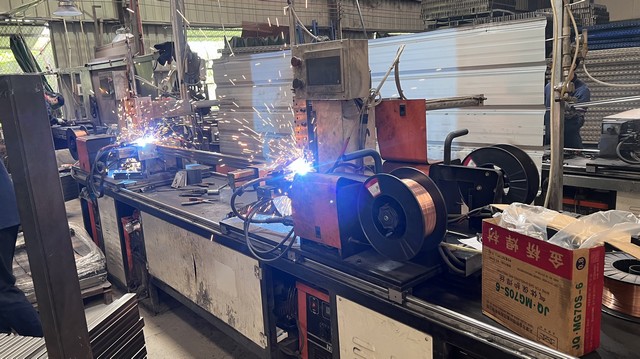
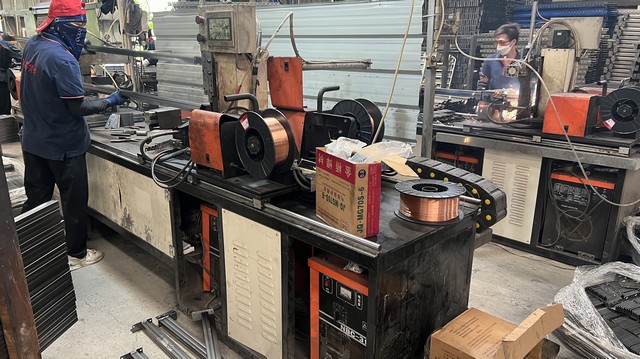
Compliance and product durability form the core of our operations. Operating under a rigorous Quality Management System certified by ISO 9001 and CE, every batch of cold-rolled steel is run through strict raw material testing, robotic weld inspections, load-bearing stress evaluations, and electrostatic powder coating depth checks. Driven by a team of 18 design and mechanical engineers, we offer comprehensive OEM and ODM options to customize loading profiles, dimensions, paint formulations, and seismic-braced structures.
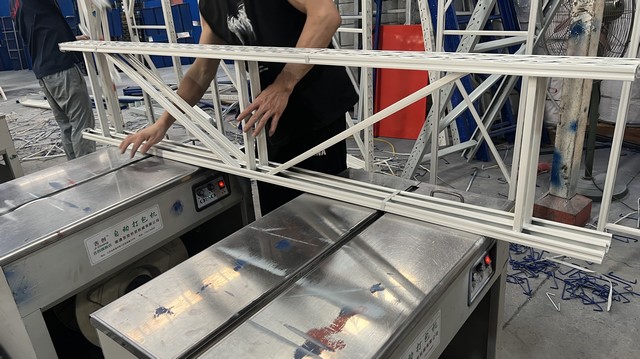
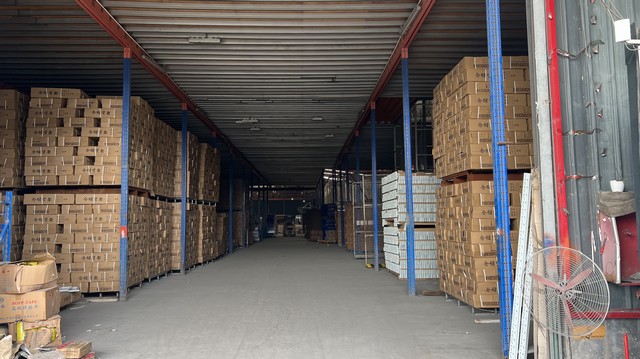
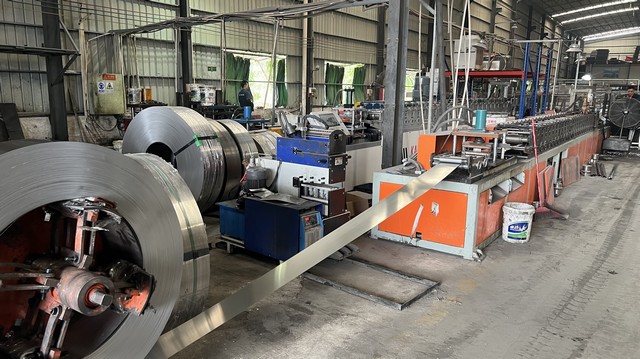
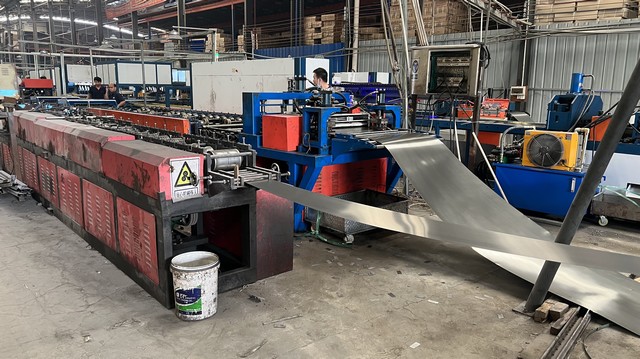
An authoritative exploration of structural metallurgy, logistics safety, supply chain scaling, and regulatory compliance for procurement professionals.
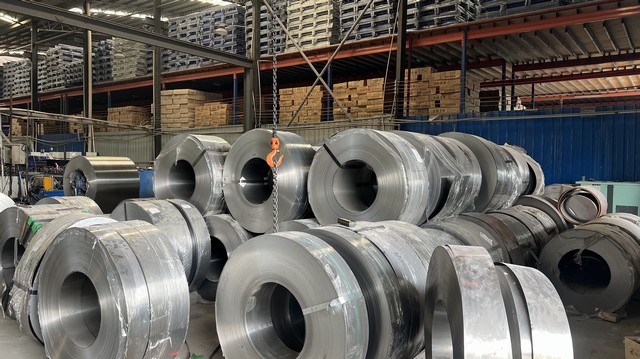
In high-density industrial racking, structural integrity begins at the atomic level. Quality Chinese manufacturers use cold-rolled Q235 steel as the engineering baseline. Q235, equivalent to ASTM A36, offers optimized yield strength (235 MPa) and ultimate tensile strength (up to 460 MPa). This balance provides elasticity under maximum structural loads while preventing brittle failures under sudden impact. Cold-rolling refines the steel's grain structure, improving surface finish, dimensional tolerances, and uniform wall thickness down to fractions of a millimeter. This structural consistency ensures that upright frames and horizontal load beams distribute loads evenly, preventing the localized stress concentrations common in hot-rolled alternatives.
Modern warehouse logistics require fast assembly and reconfiguration. Traditional shelving systems use hardware fasteners that require complex installation, damage powder coatings, and loosen under vibrations. The transition to boltless and foldable designs solves these problems. By using engineered mechanical interfaces like butterfly holes, keyhole punches, and integrated pivot brackets, modern shelving locks together via gravity and friction fit. As load pressure increases on the horizontal beams, the tapered punch designs wedging into the vertical frames tighten the joint. This system reduces installation labor costs by up to 70% and makes components easy to pack, ship, and relocate as operational layouts evolve.
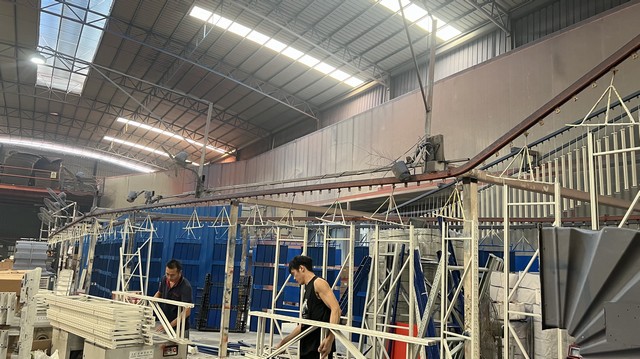
Industrial storage units operate in diverse environments, from humid ports to temperature-controlled cold storage. To prevent chemical degradation, components undergo multi-stage surface treatments. Automated electrostatic thermosetting powder lines apply cross-linked epoxy-polyester coatings, curing them between 180°C and 200°C. This forms a high-adhesion shell that resists impact, chipping, scratching, and chemical corrosion. For outdoor applications or high-humidity facilities, hot-dip galvanizing provides a zinc-iron alloy coating over 60-80 microns thick. This layer acts as a sacrificial anode, preventing rust even if the steel substrate is scratched or dented.
Engineered baseplates and anchor designs redistribute kinetic forces during seismic events, conforming to international safety standards.
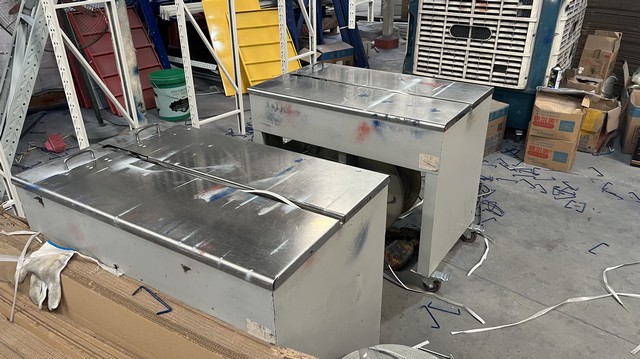
Flat-packed designs reduce shipping space requirements by up to 45%, lowering ocean freight costs per unit.
Tool-free locking mechanisms allow warehouse crews to adjust shelf heights in 50mm increments as inventory needs change.
Enterprise procurement teams must verify that suppliers comply with local safety guidelines. Racking systems exported to North America must align with Rack Manufacturers Institute (RMI) standards (ANSI MH16.1), which require specific structural configurations under load. For European markets, EN 15512 governs steel static storage design. Leading Chinese exporters verify these requirements through physical stress testing with organizations like SGS, TÜV Rheinland, or Intertek. These tests evaluate structural deflection ratios, safety factor metrics, weld penetration depths, and cyclic loading resilience. Buying from certified suppliers mitigates liability and helps satisfy local insurance requirements.
Analyzing the shift from rigid infrastructure to agile, modular, and automated storage solutions across the global logistics chain.
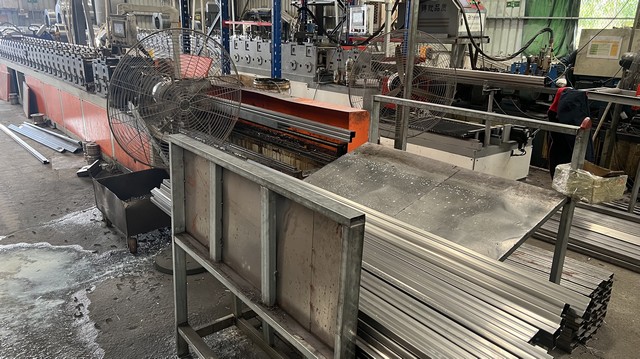
The warehouse automation industry is driving a shift toward modular storage structures. As AGVs (Automated Guided Vehicles) and AMR (Autonomous Mobile Robots) become standard in logistics hubs, structural tolerances must be tighter. Automated systems require vertical racking alignment deviations to remain under 0.05%, demanding high-precision manufacturing from suppliers. Automated roll-forming systems and robotic welding ensure consistent production across large-volume orders.
Additionally, the focus on sustainable logistics has made structural lifetime values a primary purchasing criterion. Buying low-grade, non-certified shelving often leads to premature failures and high replacement costs. Sourcing from certified Chinese manufacturers who use Q235 cold-rolled steel and eco-friendly finishes provides the durability needed for modern supply chains. Long-term durability is essential for enterprise procurement teams aiming to balance performance, environmental metrics, and operating costs.
Answers to complex engineering, regulatory, and logistics questions commonly asked by supply chain managers.
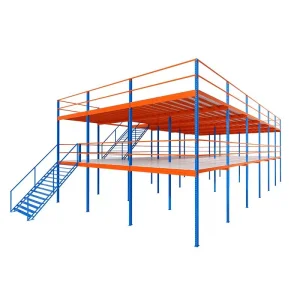
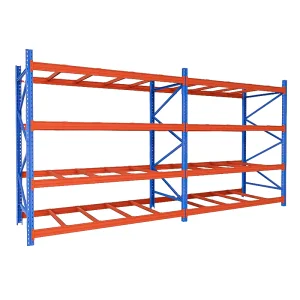
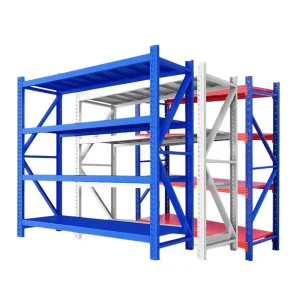
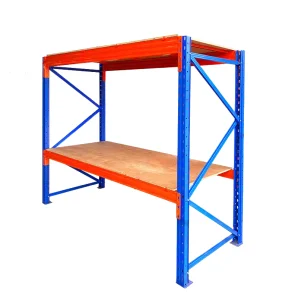
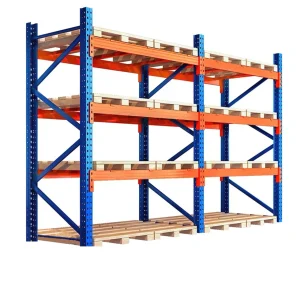
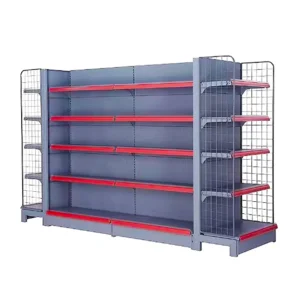
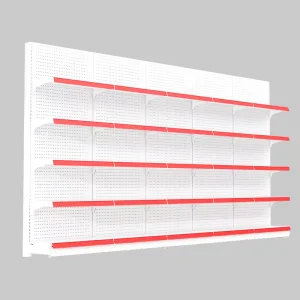
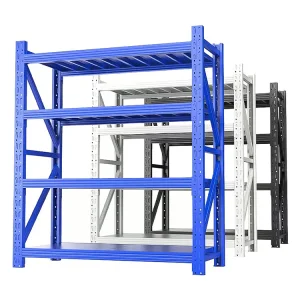
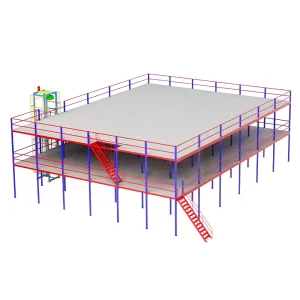
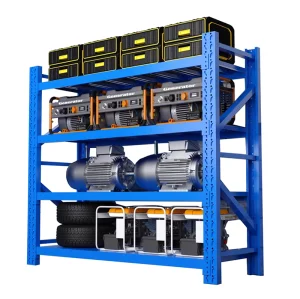
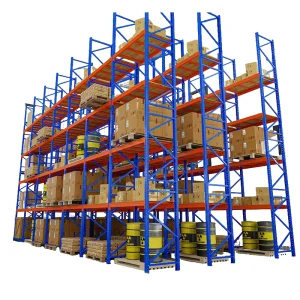
Select from our range of structural racking systems, custom shelving configurations, and heavy industrial mezzanine platforms built for load stability.
 Fangjiu Shelf