Engineered for structural reliability, heavy load capacities, and long-term corrosion resistance
Why modern global supply chains leverage Chinese design, raw material engineering, and production integration
In the modern global logistics framework, industrial transport units such as carts, platform trolleys, and structural warehousing racks are no longer treated as simple utility products. They represent highly engineered assets designed to optimize supply chain velocity, reduce workplace injury risks, and guarantee structural reliability under rigorous daily workflows. Chinese manufacturing centers, particularly those located within the industrialized corridors of Guangdong, have evolved to meet this critical demand through extensive supply chain integration and cutting-edge material science.
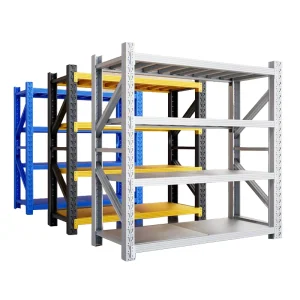
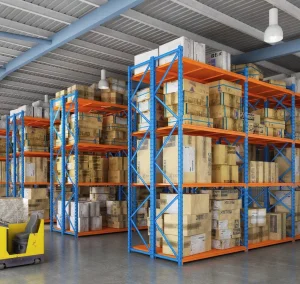
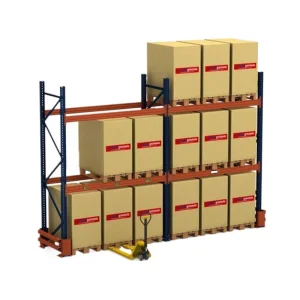
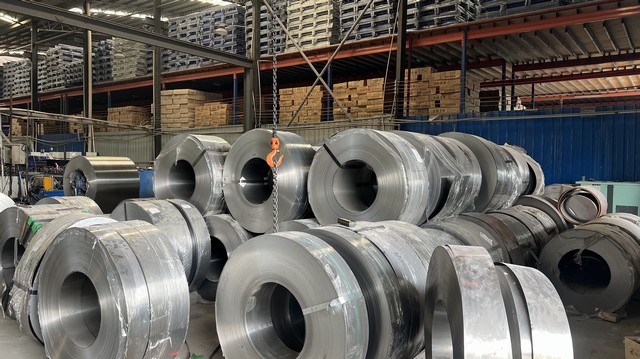
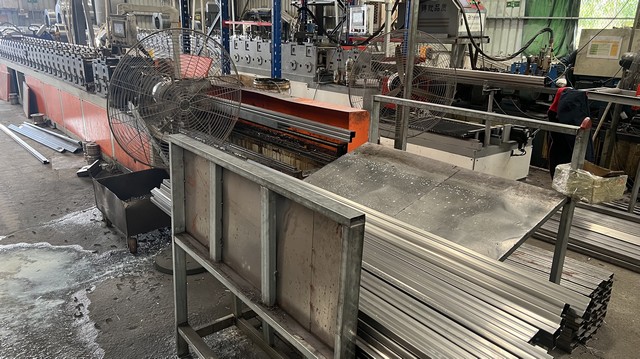
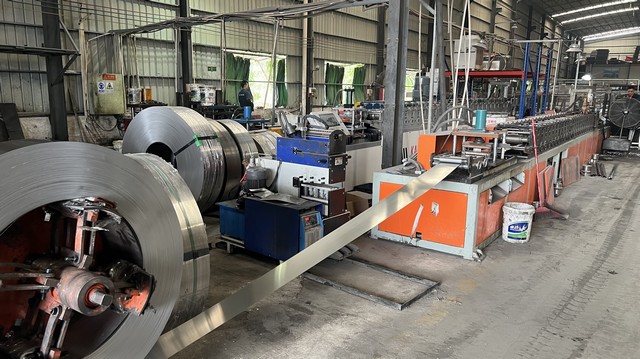
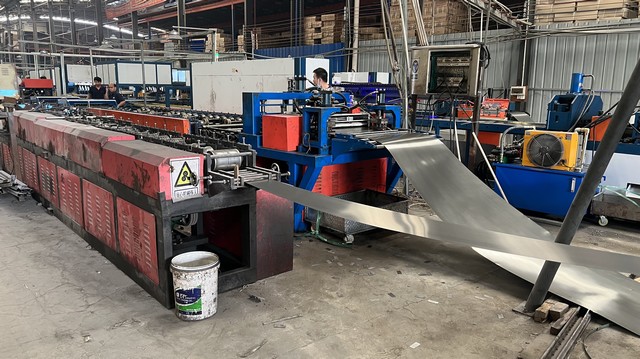
The core structural advantage of sourcing from Chinese facilities lies in localized proximity to high-grade raw materials. Heavy-duty material handling equipment and heavy-duty storage racks rely primarily on Q235 structural steel. This carbon structural steel, recognized for its exceptional ductility, weldability, and yield strength, forms the backbone of components that must withstand load stresses exceeding 1,000kg per tier. Access to national steel reserves enables continuous roll-forming production lines to operate without resource bottlenecks, insulating global buyers from massive material price fluctuations and extended manufacturing delays.
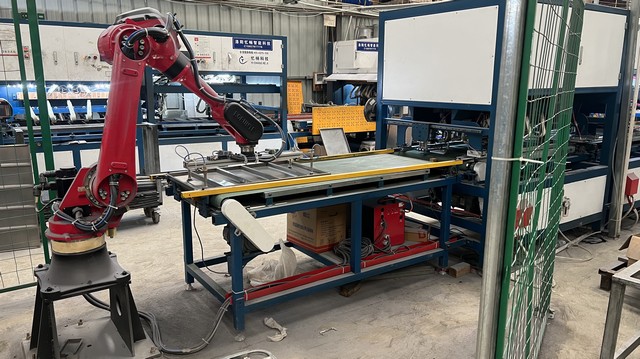
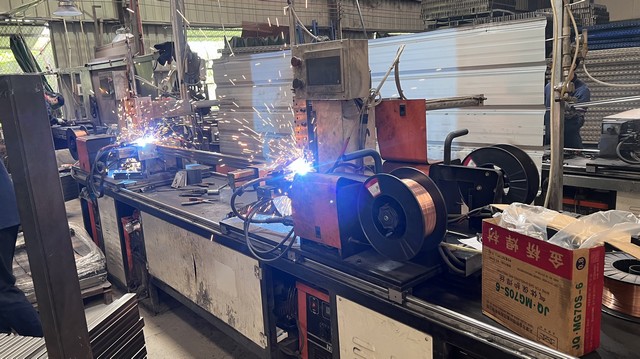
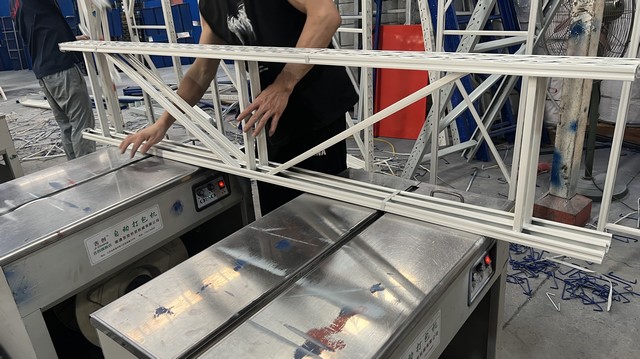
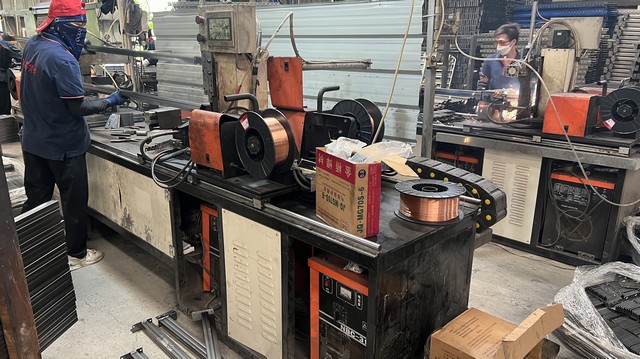
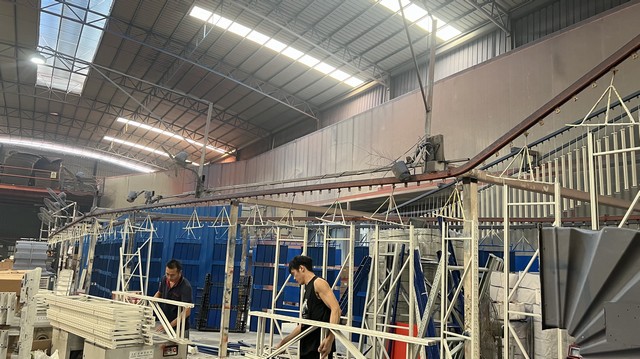
Additionally, technological integration sets top-tier factories apart from regional competitors. Automated robotic welding lines eliminate human variance, ensuring clean, structurally consistent penetrations at every weld seam. This level of robotic precision prevents stress-point micro-cracks over years of high-volume usage, which is essential for heavy industrial applications and mezzanine structures. Through thermal powder coating lines with electrostatic technology, modern factories apply durable, scratch-resistant thermosetting coatings that seal the underlying steel against humidity, industrial solvents, and oxidative environments.
Understanding customization frameworks, structural deflection limits, and design engineering for global procurement heads
Global logistics engineering mandates that heavy-duty shelves and handling systems respect deflection limits defined under active loading conditions (e.g., L/200 standard). Our R&D engineers utilize Finite Element Analysis (FEA) to verify stress propagation and seismic resilience, ensuring zero structural failure under full load capacity limits.
From galvanized cold-rolled steel structures to advanced multi-layer zinc coatings, we prepare industrial hardware to endure the challenges of high-humidity logistics, chemical environments, and sub-zero cold storage facilities. This increases product lifespan by up to 150% compared to basic paints.
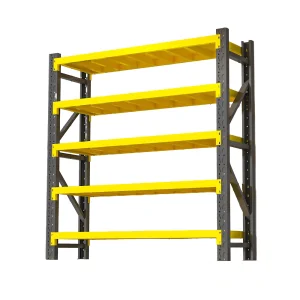
Reducing installation labor is a primary cost-saving metric for warehouses. Boltless locking systems, butterfly-hole upright structures, and pre-welded framework geometries allow minimal crew sizes to quickly construct massive layouts, saving days of installation down-time.
No two fulfillment centers are identical. Our dedicated team of 18 design and mechanical engineers drafts system blueprints that optimize narrow aisle paths, vertical clearance utilization, and specific material handling vehicles, minimizing dead warehouse spaces.
The Global Backbone of Supply Chain Optimization and Industrial Storage Manufacturing
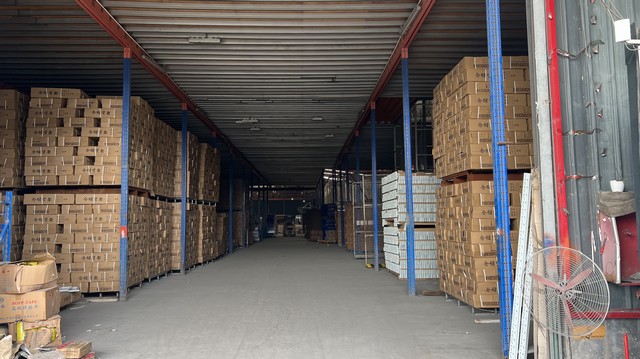
Established in 2015, Guangzhou Fangjiu Shelf Co., Ltd. stands as a premier manufacturer and global provider of heavy-duty warehouse racking and industrial storage systems. Operating a modern manufacturing facility spanning 32,000 square meters, Fangjiu Shelf serves as a trusted backbone for global supply chain optimization. With 16 years of deep industry expertise and 8 years of dedicated international export experience, the company delivers high-caliber storage solutions engineered for durability, safety, and operational efficiency.
Driven by strong trade backgrounds and robust commercial capabilities, we generate over $18 million in annual export turnover, exporting high-performance storage products to major markets across North America, Western Europe, and Southeast Asia. Our extensive industry integration connects us with over 850 reliable supply chain partners, allowing us to supply diverse global clients—ranging from multinational logistics centers and industrial distributors to commercial retail brands.
Quality assurance is embedded in every stage of our operations. Supported by a rigorous Quality Management System (ISO 9001, CE certified) and a dedicated team of 35 quality control personnel, every batch undergoes comprehensive raw material testing, robotic weld inspection, load-bearing stress tests, and powder-coating thickness audits. Backed by advanced R&D capabilities, including 18 specialized mechanical and design engineers, we offer full OEM/ODM custom options—including custom dimensioning, load capacity engineering, color matching, and special seismic structural design. Demonstrating our commitment to continuous innovation, Fangjiu Shelf successfully launched 45 new optimized storage products last year, continuing to set standards for warehouse safety and efficiency worldwide.
Safeguarding cross-border logistics infrastructures through rigid industrial standards
Deploying major warehouse modifications or material transport components requires careful attention to regional building safety codes. In North America, structural storage solutions must align with the Rack Manufacturers Institute (RMI) standards and OSHA 1910.176 requirements. In Europe, CE marking and EN 15635 guidelines govern structural racking safety inspections. Fangjiu Shelf eliminates certification risks by offering custom seismic assessments and manufacturing compliant steel structures that seamlessly pass municipal building permit audits.
To support global supply chains, we maintain strong relationships with certified local installer networks and supply comprehensive installation drawings and 3D structural guides. This significantly reduces assembly errors and guarantees that the load ratings engineered at our plant are achieved at the site of operations.
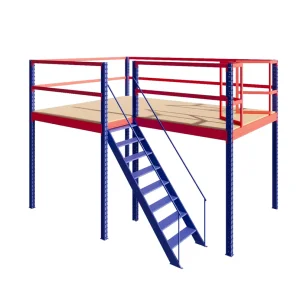
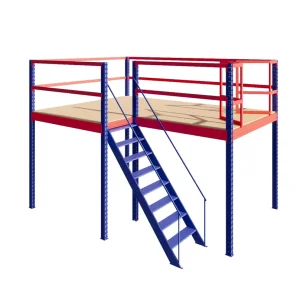
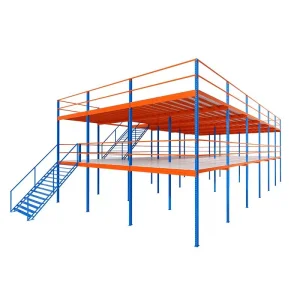
The rise of automated and micro-fulfillment logistics centers demands highly specific material handling equipment. Narrow Aisle (VNA) racking structures maximize density, reducing aisle space from 3.5 meters down to less than 1.8 meters. High-density mezzanine floor storage units effectively double or triple existing floor space without requiring physical building expansions. For rapid picking tasks, modular carts and platform trolleys streamline inventory consolidation, decreasing picking cycles and maximizing worker ergonomics.
The material handling sector is embracing structural intelligence. Looking forward, trolleys and heavy storage arrays will transition from static structures into interactive points. Smart racking platforms integrated with weight sensors and RFID tracking interfaces transmit real-time stocking levels to central ERP databases. Concurrently, environmental sustainability continues to guide production methodologies. The shift towards solvent-free electrostatic powder coatings and recyclable alloy compounds ensures that enterprise facilities achieve ESG targets while maintaining robust operational performance.
Actionable answers to technical questions concerning materials, load limits, and structural planning
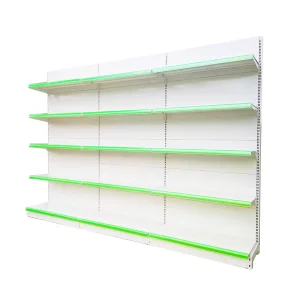
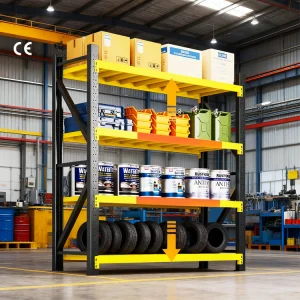
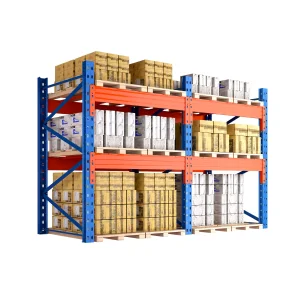
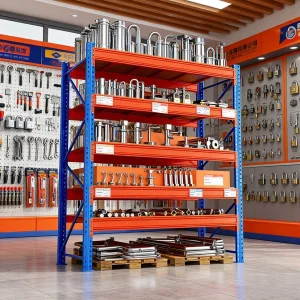
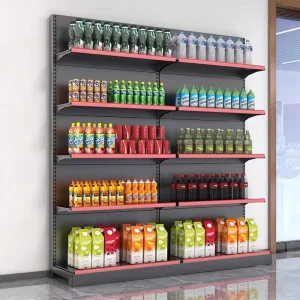
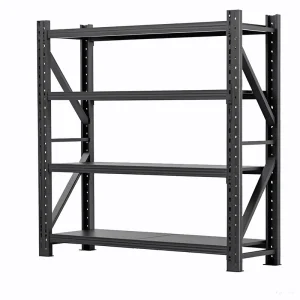
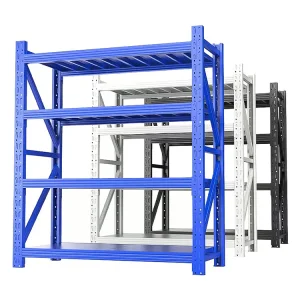
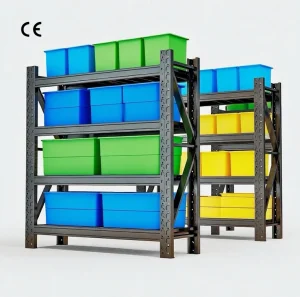
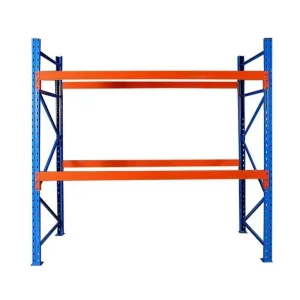
Optimized heavy-duty systems designed for industrial basements, tire storage, and retail display spaces
 Fangjiu Shelf