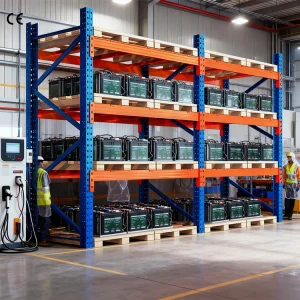
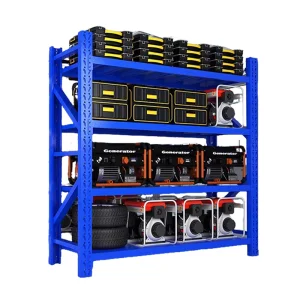
Explore our industrial-grade storage racks and stacking systems, precision-manufactured to maximize your warehouse storage utilization.
Years Industry Experience
Modern Manufacturing Facility
Annual Export Volume
Dedicated QC Personnel
An in-depth whitepaper analysis on high-density dynamic storage, gravity flow mechanics, and key operational advantages for international logistics networks.
Pallet Flow Storage (also known as gravity flow racking) represents the pinnacle of high-density dynamic warehouse storage design. Utilizing a inclined wheel or roller track combined with the natural force of gravity, this system operates on a strict First-In, First-Out (FIFO) logistics sequence. Pallets are loaded from the replenishment aisle (entry point) and glide effortlessly down the sloped lane to the picking aisle (exit point).
This dynamic layout separates charging and retrieval operations, which eliminates internal traffic bottlenecks and boosts warehouse efficiency. By utilizing up to 85% of physical floor space compared to selective racking systems, dynamic pallet flow serves as a critical infrastructure component for high-throughput logistics terminals, cold-chain distribution centers, and FMCG packaging operations.
As a leading China pallet flow storage supplier, Guangzhou Fangjiu Shelf Co., Ltd. customizes gravity lanes using precision engineered speed controllers and dynamic separation devices. This ensures smooth velocity deceleration and prevents pallet line pressure build-up, guaranteeing high structural safety standards across complex distribution lines.
A highly reliable gravity pallet flow system depends on precise mathematical calculations of slope, roller friction coefficients, and centrifugal braking resistance. A slight mismatch in gravity lane angles can lead to stalling (under-sloped) or run-away speed hazards (over-sloped).
| Design Parameters | Standard Specifications | Industrial Impact / Advantage |
|---|---|---|
| Slope Gradient | 3.0% – 4.0% (adjustable based on load weight) | Provides sufficient gravity force without excessive acceleration. |
| Braking Roller Spacing | Every 1.2m – 1.8m (depending on lane depth) | Controls velocity below 0.3 meters per second for safe handling. |
| Load Weight Threshold | Up to 2,000 kg per pallet (custom structural steel configurations) | Supports heavy manufacturing, metals, and bulk liquid chemical containers. |
| Steel Grade | High-strength Q235B / Q355B structural steel profiles | Prevents structural deflection under permanent load stress. |
| Roller Track Coating | Hot-Dip Galvanized / Zinc Electroplated finishes | Resists rust and wear in humid ambient air and low-temperature cold rooms (-30°C). |
The calculation of dynamic friction must also account for pallet quality. Softwood, hardwood, and plastic block pallets interact differently with steel rollers. Guangzhou Fangjiu Shelf engineers perform rigorous material testing on the customer's specific pallet footprint to determine the optimum wheel-to-axle alignment and structural load distribution before beginning commercial production.
Strategic manufacturing integration and steel supply efficiencies that deliver unparalleled global purchasing value.
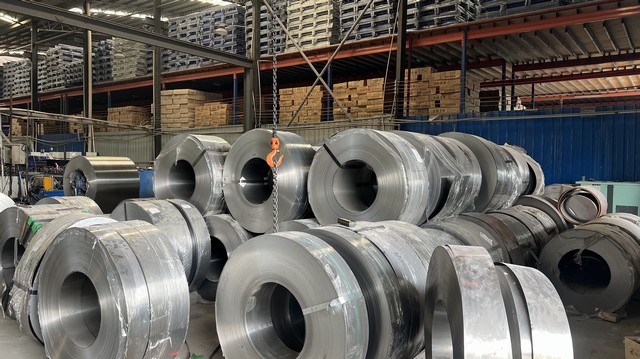
China is home to the world’s leading steel blast furnaces, giving local manufacturers access to high-grade, cold-rolled structural steel (Q235B and Q355B). This massive steel ecosystem guarantees stable material availability and lower base costs. This cost efficiency is passed directly to the end user without sacrificing yield strength or loading safety.
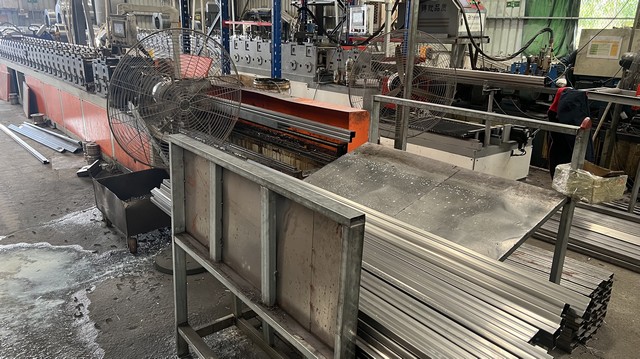
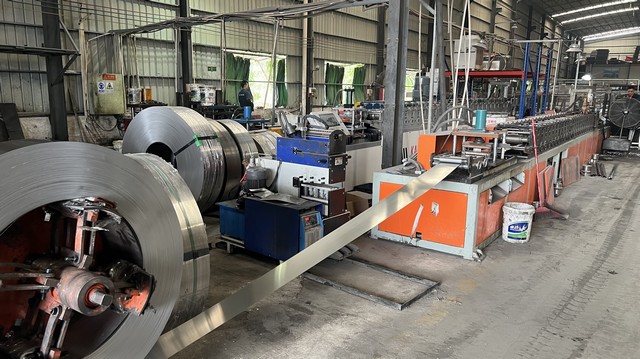
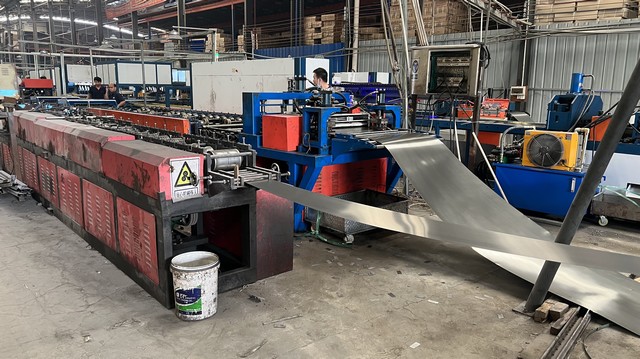
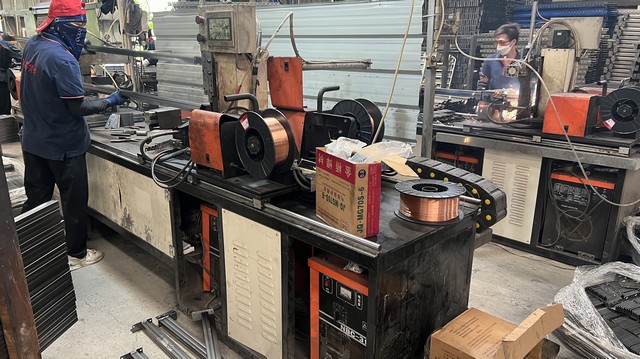
Our facility utilizes advanced, automated multi-stage rolling lines and high-speed robotic welding units. This automated precision ensures uniform column profile structures, error-free connector tolerances, and precise hook setups. Reliable manufacturing tolerances prevent crooked roll lanes and reduce physical resistance along the gravity tracks.
Guangzhou Fangjiu Shelf Co., Ltd. has spent over 8 years perfecting international shipping procedures, tariff codes, and heavy freight container loading. We maximize container capacity using optimized packing methods, which minimizes shipping costs and ensures components arrive in perfect condition, ready for quick assembly.
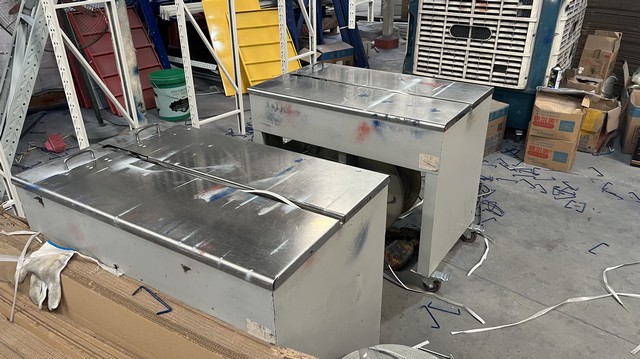
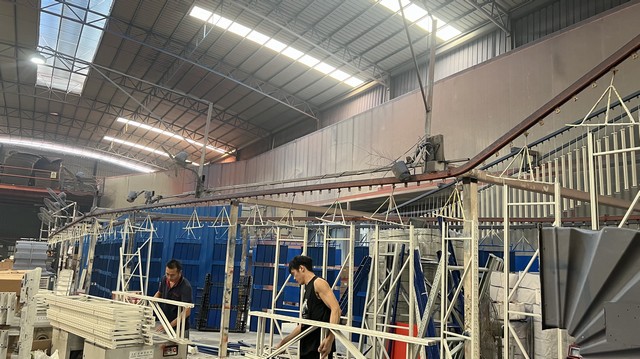
Inside Guangzhou Fangjiu Shelf Co., Ltd.'s 32,000 square meter factory floor, where industrial storage systems are built to last.
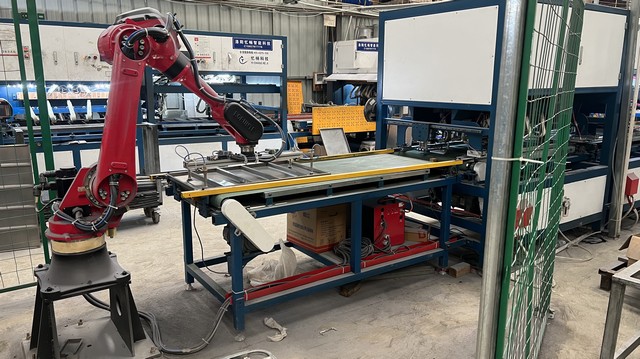
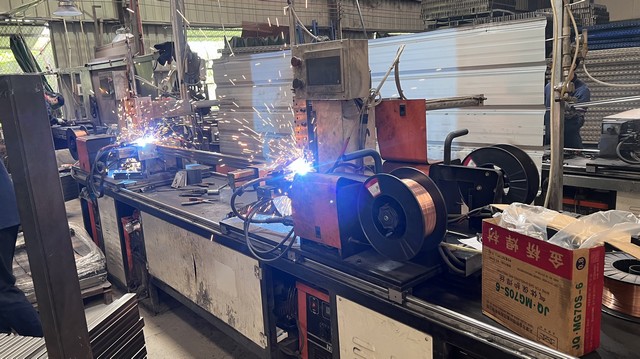
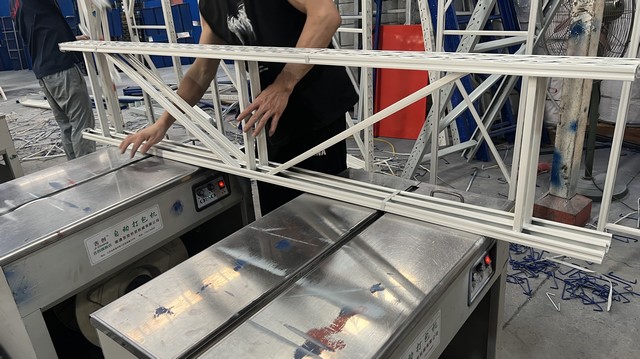
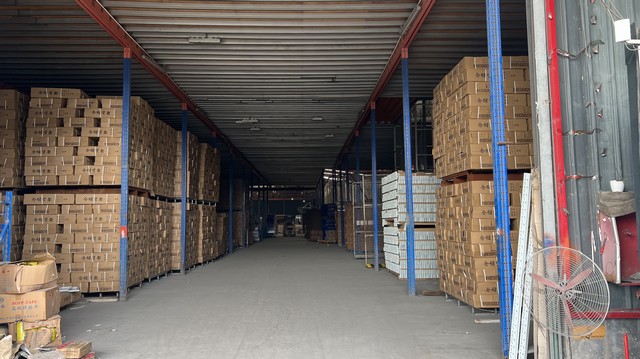
How we bridge local zoning codes with Chinese manufacturing efficiency to deliver reliable international storage systems.
Global procurement teams must ensure that imported racking systems comply with local zoning regulations, occupational safety mandates, and building safety codes. For North American sites, this means designing systems that meet RMI (Rack Manufacturers Institute) guidelines. In European markets, structural engineers look for compliance with FEM 10.2.02 rules and EN standards.
At Guangzhou Fangjiu Shelf Co., Ltd., we combine CE and ISO 9001 quality standards with custom structural engineering. Our team of 18 design and mechanical engineers uses finite element analysis (FEA) to calculate steel strength under local seismic loads. Whether your facility is in a high-risk zone in California or an industrial park in Germany, our racking layouts are designed to meet local seismic codes and building safety limits.
Installing complex, multi-tiered gravity flow lanes requires precise, hands-on assembly. A small 1-degree alignment error can cause pallet drift, roller jamming, or uneven wear on components. To solve this, Fangjiu Shelf provides comprehensive installation support to regional projects:
Key design shifts driving the integration of automated guided vehicles, smart logistics, and eco-friendly warehouse systems.
Modern distribution centers are moving away from manual forklifts in favor of automated systems. Next-generation pallet flow lanes feature custom entry and exit gates that align precisely with AGV forks, allowing for automated loading and unloading without manual operators.
Traditional mechanical centrifugal brake rollers are being replaced by sensor-controlled speed limiters. These new braking rollers automatically adjust resistance based on the weight of the incoming pallet, ensuring consistent flow speeds whether the lane is empty or holding a maximum load.
Environmental standards are driving the adoption of clean, zero-VOC electrostatic powder coatings. Our automated coating lines run at high thermal efficiency, producing durable, scratch-resistant finishes that emit no toxic elements, helping customers reach their green building goals.
Get answers to common questions about gravity flow systems, load capacities, design standards, and maintenance requirements.
The standard slope gradient is between 3.0% and 4.0%. A 4% slope is typical for standard GMA pallets carrying normal warehouse weights, while lighter pallet loads may need a slightly steeper gradient. During our testing process, we check different angles to find the correct slope that keeps the pallets moving smoothly without excessive speed.
For deep-lane designs (typically over 4 pallets deep), we install centrifugal speed controllers along the roller tracks. These speed-limiting rollers use internal gear assemblies that apply resistance when a pallet moves too quickly. This keeps pallet speeds below a safe limit of 0.3 meters per second, protecting your products and racking structure.
Yes, our racking systems are designed to operate reliably in temperatures down to -30°C. We use Q235B steel with cold-temperature certifications, custom bearings filled with low-viscosity grease, and hot-dip galvanized finishes to protect against condensation, rust, and material fatigue.
Operating from our 32,000 square meter factory, we generate over $18 million in export volume annually. For standard warehouse layouts, our manufacturing lead time ranges between 20 and 30 days after drawing approval. Custom colors, specialized hole patterns, and complex configurations may add 7 to 10 days to the schedule.
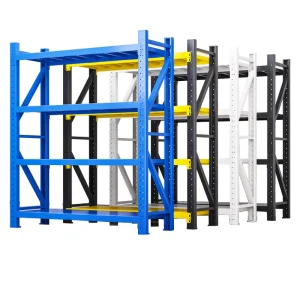
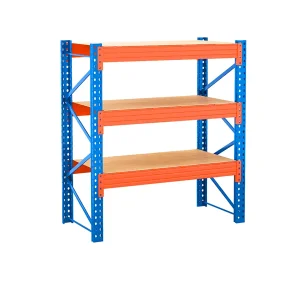
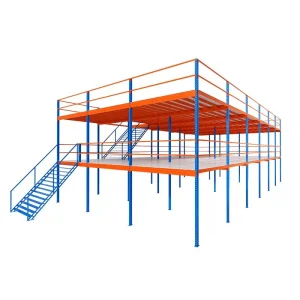
Complete your warehouse design with our high-capacity structural pallet racks, corrosion-protected shelving units, and multi-tier mezzanine platforms.
 Fangjiu Shelf