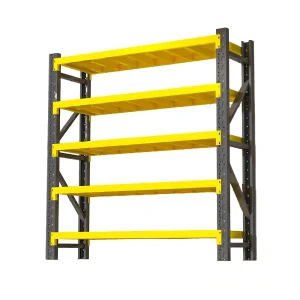
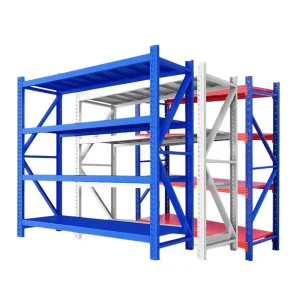
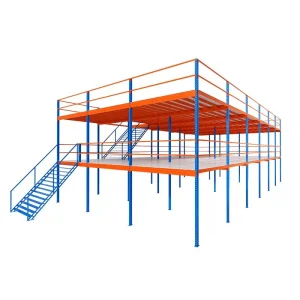
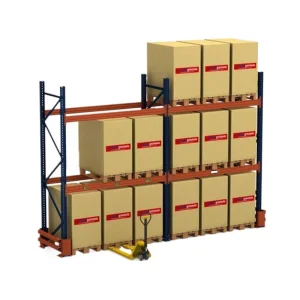
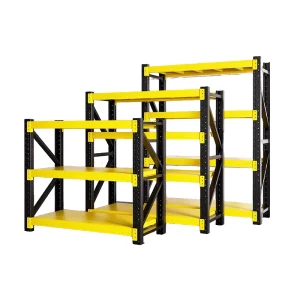
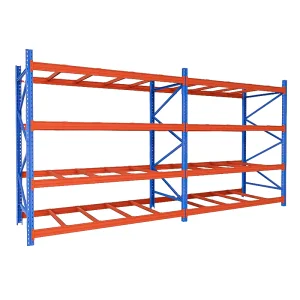
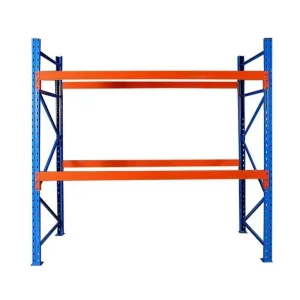
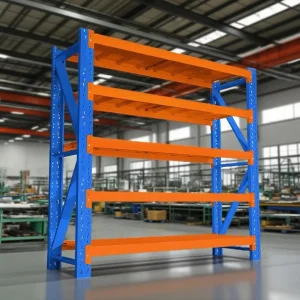
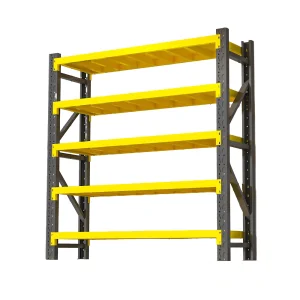
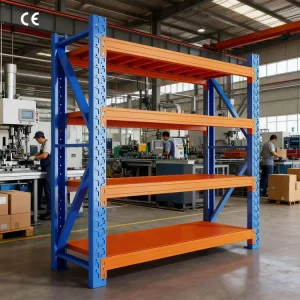
Guangzhou Fangjiu Shelf Co., Ltd. is a premier manufacturer and global provider of heavy-duty warehouse racking and industrial storage systems. Established in 2015, the company operates a modern manufacturing facility spanning 32,000 square meters, serving as a trusted backbone for global supply chain optimization. With 16 years of deep industry expertise and 8 years of dedicated international export experience, Fangjiu Shelf delivers high-caliber storage solutions engineered for durability, safety, and operational efficiency. Driven by strong trade backgrounds and robust commercial capabilities, we generate over $18 million in annual export turnover, exporting high-performance storage products to major markets across North America, Western Europe, and Southeast Asia.
Quality assurance is embedded in every stage of our operations. Supported by a rigorous Quality Management System (ISO 9001, CE certified) and a dedicated team of 35 quality control personnel, every batch undergoes comprehensive raw material testing, robotic weld inspection, load-bearing stress tests, and powder-coating thickness audits. Our extensive industry integration connects us with over 850 reliable supply chain partners, allowing us to supply diverse global clients—ranging from multinational logistics centers and industrial distributors to commercial retail brands. Backed by advanced R&D capabilities, including 18 specialized mechanical and design engineers, we offer full OEM/ODM custom options—including custom dimensioning, load capacity engineering, color matching, and special seismic structural design. Demonstrating our commitment to continuous innovation, Fangjiu Shelf successfully launched 45 new optimized storage products last year, continuing to set standards for warehouse safety and efficiency worldwide.
In the contemporary landscape of global commerce, warehousing is no longer characterized as simple static storage. Rapid real estate inflation, coupled with the exponential acceleration of omnichannel e-commerce, has forced multi-national operations to re-examine spatial dynamics. Free-standing industrial racks represent a core component in this structural paradigm shift. By optimizing vertical height utilization without relying on permanent building wall mounts, modular freestanding systems afford enterprise operators unparalleled flexibility. Under modern warehousing protocols, a rack is not merely a steel frame; it is a critical piece of structural engineering designed to interface dynamically with Automated Guided Vehicles (AGVs), Automated Storage and Retrieval Systems (AS/RS), and traditional material handling equipment.
Across industrialized regions like Western Europe and North America, strict local building regulations and structural limitations make permanent wall anchorage highly complex and legally onerous. In contrast, freestanding structures transfer dynamic load forces directly down to reinforced concrete floor slabs via highly specialized footplates and anchor bolts. This mechanical isolation shields the building envelope from stress fatigue. It also ensures that the physical configuration of the warehouse floor can be reconfigured rapidly to meet fluctuating market demands and supply chain realignments.
The manufacturing sector for structural racking is experiencing an engineering transformation, dictated by safety compliance, metallurgical advancement, and digital tracking integrations. Modern high-capacity storage racks rely primarily on Q235 and Q355 high-tensile cold-rolled steel profiles. These materials offer optimal yield strength and elongation limits, ensuring that systems can withstand seismic shifts and unexpected forklift impacts without catastrophic collapse. Key industry trends include:
Racking units designed around a boltless keyhole or butterfly connection style allow step beams to be adjusted in 50mm increments. This adaptability enables warehouse managers to optimize storage spacing based on real-time SKU dimensions, minimizing wasted cubic volume.
From chemical pretreatment to electrostatic powder baking, surface protection technology has advanced rapidly. Systems exposed to refrigeration or aggressive industrial chemicals utilize specialized hot-dip galvanized coatings to achieve long-term rust prevention.
To operate safely in earthquake-prone zones, freestanding structures incorporate oversized footplates and flexible anchor bolts. These design features absorb ground energy and prevent the racking arrays from tipping during seismic events.
B2B procurement agents evaluating suppliers of heavy-duty racking must satisfy multi-layered criteria. It is no longer sufficient to secure the lowest cost per pallet location. Purchasing committees prioritize risk mitigation, compliance with local design standards (such as EN 15512 in Europe, RMI in North America, and AS 4084 in Australia), and the manufacturer's engineering capacity to handle customized specifications.
To pass rigorous vendor onboarding, a racking manufacturer must prove the mechanical properties of their raw material. Steel mill certifications, tensile test data, and chemical composition charts are fundamental requirements. Furthermore, safety audits demand that dynamic structural calculations undergo Finite Element Analysis (FEA). This process verifies that the load charts published by the supplier remain valid under operational tolerances, physical impacts, and seismic conditions.
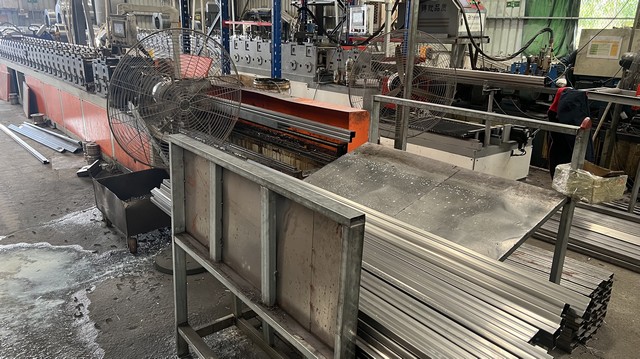
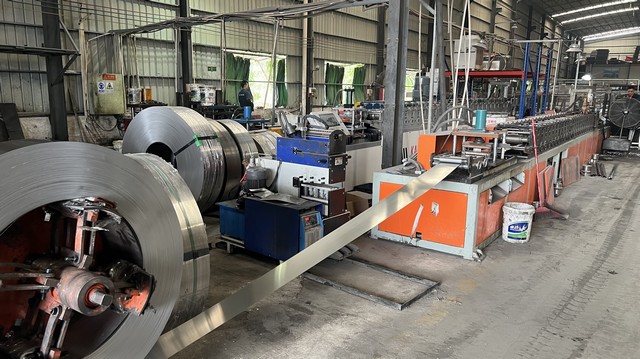
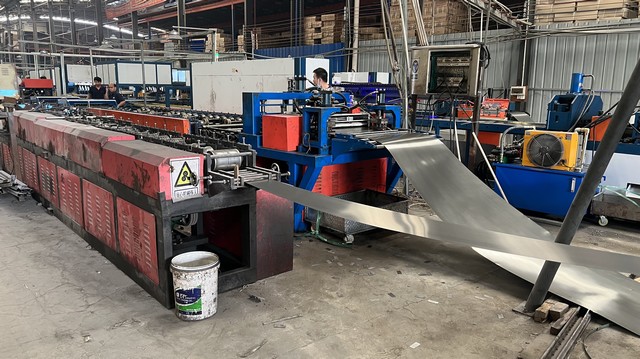
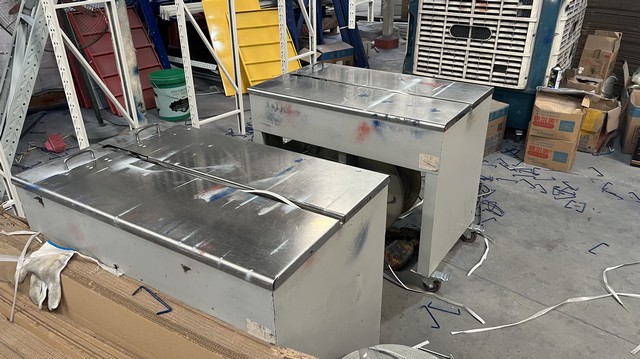
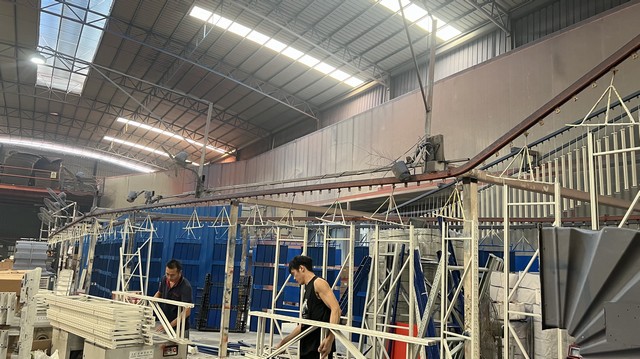
The manufacturing capabilities of Guangzhou Fangjiu Shelf Co., Ltd. represent the integration of Industry 4.0 within the structural steel sector. Within our 32,000-square-meter facility, automation forms the core of our operations. Rather than relying on manual production methods, we operate fully automatic roll-forming lines that shape structural columns with millimeter-level accuracy. This precision ensures that every locking pin fits exactly, and every weld is free from critical structural stress points.
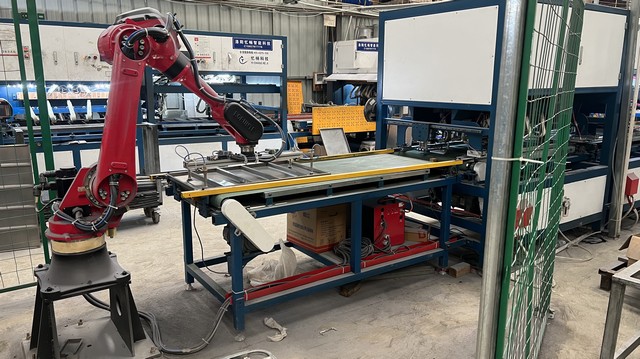
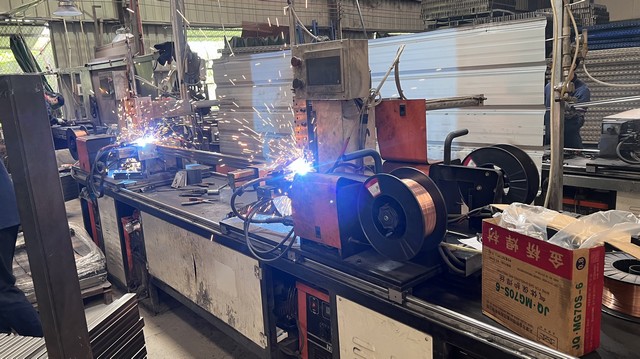
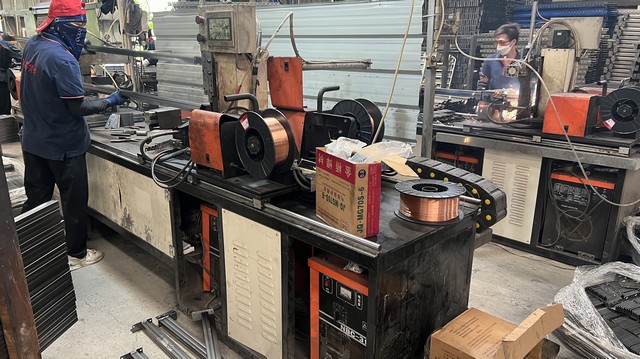
Our raw material is sourced exclusively from tier-one steel conglomerates, ensuring consistent metallurgical performance across every batch. Our welding cells utilize advanced robotic arms that perform continuous gas metal arc welding. This technology eliminates the human variability that often leads to micro-cracking and mechanical failure. In our modern powder-coating line, steel profiles undergo a multi-stage chemical wash, zinc-phosphate conversion coating, and electrostatic powder baking. This creates an extremely durable surface barrier that resists abrasion, moisture, and corrosion.
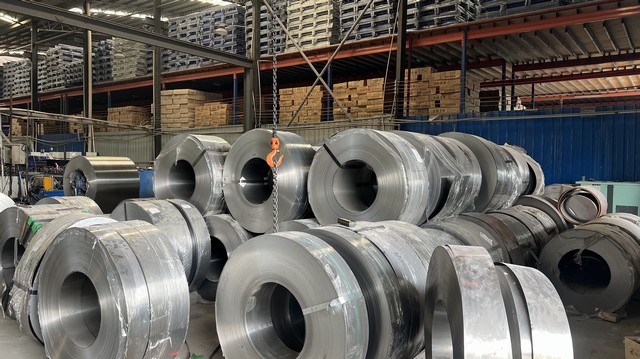
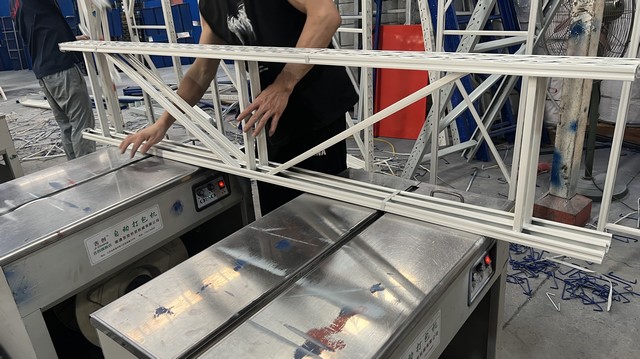
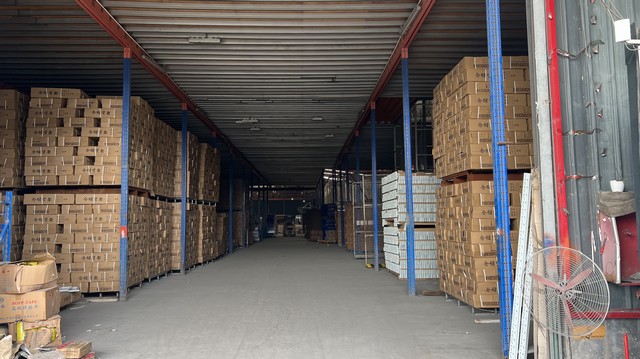
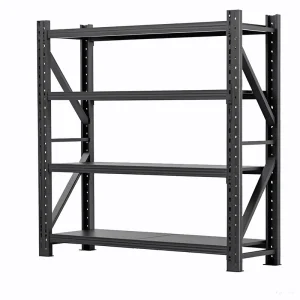
Heavy-duty freestanding racking architectures are widely deployed across various global environments. In North American logistics hubs, these systems are optimized to handle heavy pallet configurations, with load ratings exceeding 2,000 kilograms per level. This capacity is critical for managing heavy manufacturing components and fast-moving consumer packaged goods.
In Western European distribution networks, where storage facilities are often designed within tight architectural footings, freestanding VNA (Very Narrow Aisle) systems are the standard. These structures are built with high straightness tolerances, allowing forklifts to operate safely at heights of up to 15 meters. In the tropical regions of Southeast Asia, characterized by high ambient humidity, our focus shifts to anti-corrosive performance. We employ specialized hot-dip galvanized treatments and specialized powder chemistries to prevent oxidation and ensure long-term structural integrity.
Freestanding systems transfer the entire dead load and dynamic product weight vertically down to the floor slab. This design eliminates lateral forces on the building's walls and ceiling framework, providing flexibility for layout reconfigurations and simplified building permitting.
We manufacture exclusively with certified Q235 and Q355 structural steel grades, sourced directly from verified primary mills. Every raw material delivery undergoes chemical verification and tensile testing to guarantee it meets performance standards.
Yes, our R&D engineering department has extensive experience designing custom racking systems for earthquake-prone regions. We adjust footplate surface areas, vertical bracing structures, and structural steel thicknesses to meet local building codes.
Our quality control team performs regular audits, including ultrasonic weld inspections, coating thickness checks, dimensions audits, and dynamic load testing to verify load-bearing capabilities.
 Fangjiu Shelf