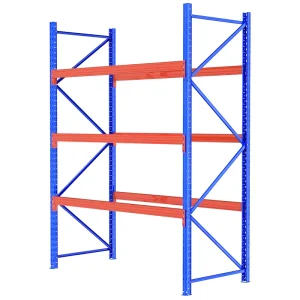
OEM/ODM Gravity Racks Factory & Exporters

High-Density Dynamic Storage Systems engineered for global supply chains, cold storage facilities, and automated intralogistics fulfillment hubs.

The Science of Gravity Flow: Revolutionizing High-Density Dynamic Storage

In modern warehouse management and supply chain logistics, maximizing spatial efficiency while ensuring rapid throughput is a critical competitive lever. Gravity flow racking—commonly referred to as gravity racks—presents a highly specialized, dynamic high-density storage solution that operates on the First-In, First-Out (FIFO) inventory control methodology. By leveraging gravitational pull, these systems utilize slightly sloped wheel or roller tracks that allow pallets or cartons to flow effortlessly from the loading aisle (charge face) to the picking aisle (discharge face).

Key Engineering Metric: A standardized gravity rack reduces the required warehouse footprint by up to 60% compared to traditional selective racking while lowering forklift travel time and related carbon footprints. This gravity-driven transit eliminates the need for electrical energy along the storage lane, making it an exceptionally sustainable and high-utility design choice.

The Architectural and Mechanical Anatomy of a Gravity Flow Lane

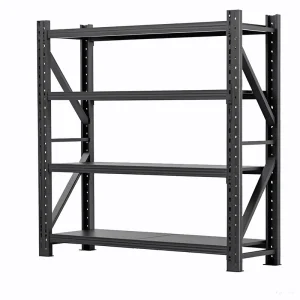
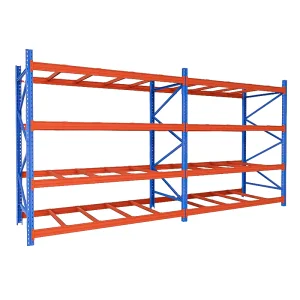
Unlike standard static racking systems, a gravity flow rack functions as a mechanical assembly integrated within a heavy-duty structural steel frame. Critical structural elements include:

  • The Steel Frame Matrix: Typically fabricated from hot-rolled or cold-rolled structural steel (such as Q235 or Q355 grade), engineered to withstand dynamic static loads exceeding 1,500 kg per pallet position.
  • The Flow Tracks (Rollers/Wheels): Made from high-grade galvanized steel or durable polyoxymethylene (POM) plastic. Rollers are spaced precisely depending on the pallet's bottom profile to avoid structural deflection.
  • Centrifugal Speed Controllers: Positioned at calculated intervals along the flow lane, these centrifugal brake rollers limit the kinetic velocity of the pallet, ensuring a controlled, steady descent of 0.25 meters per second regardless of changes in product weight.
  • End Separator Mechanisms: Strategically situated at the discharge terminal, these mechanical separators release the pressure of trailing pallets from the leading pallet, allowing safe, effortless removal by forklifts without causing damage or structural binding.

Guangzhou Fangjiu Shelf Co., Ltd.

A Global Authority in High-Precision Storage Systems Manufacturing

32,000 m²
Modern Manufacturing Facility
16 Years
Industry Experience
$18 Million
Annual Export Turnover
35 QC
Quality Engineers

Established in 2015, Guangzhou Fangjiu Shelf Co., Ltd. has grown to operate a state-of-the-art manufacturing plant covering 32,000 square meters. Backed by 16 years of deep-seated industry expertise and 8 years of intensive international export execution, we serve as the premier supply chain backbone for global logistics hubs, manufacturing factories, and large-scale distribution networks.

Our operational capabilities are underpinned by strict adherence to international quality management protocols, certified under ISO 9001 and CE guidelines. We maintain an integrated team of 35 quality assurance personnel who inspect every stage of production—from checking incoming raw material chemistry and tensile strength, to performing ultrasonic robotic weld testing, powder coat thickness audits, and structural load-bearing stress tests. Through robust supply chain integration, we partner with over 850 reliable global component vendors, allowing us to serve diverse industries ranging from pharmaceutical cold chains to automotive component hubs.

China Factory 4.0: Supply Chain Resilience & Manufacturing Flow

Integrating automation, robotic precision, and advanced materials engineering to deliver structurally superior racking systems.
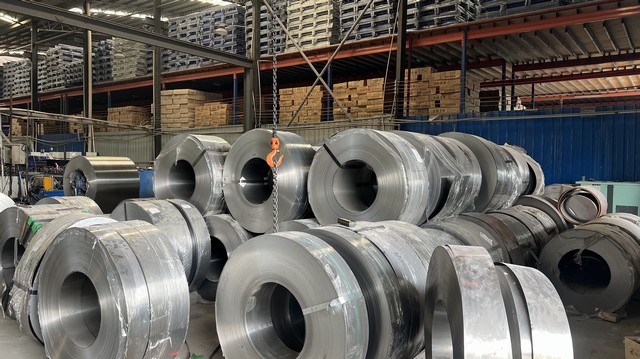
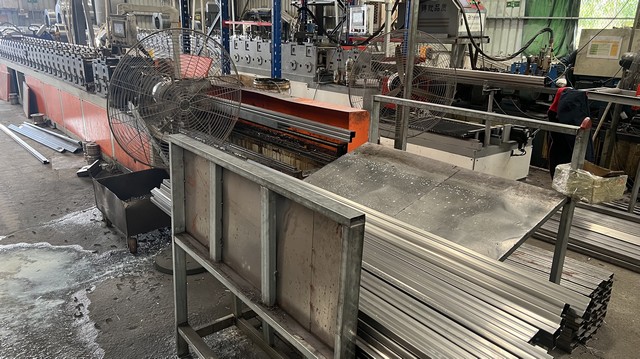
Raw Material Preparation
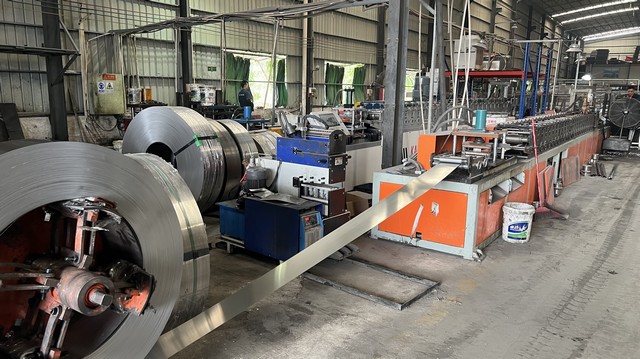
Rolling
Profile Cold Rolling
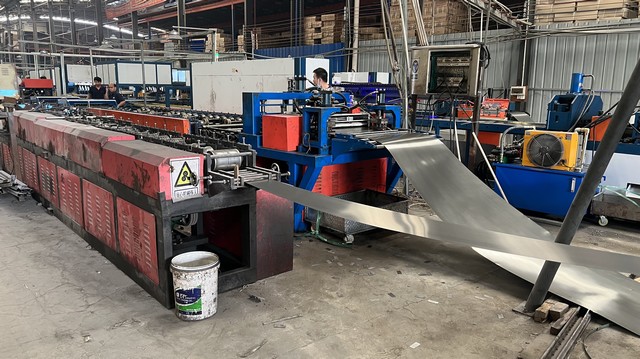
Rolling 2
Precision Rolling Line
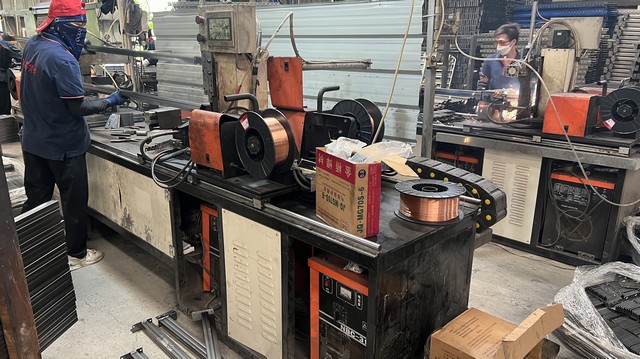
Welding
Robotic Welding Systems
Packing
Protective Packing
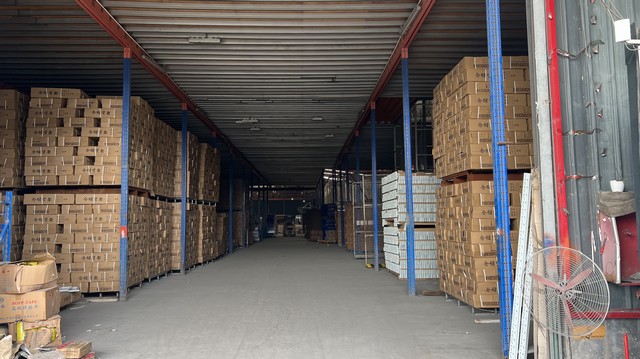
Warehouse
Finished Goods Warehouse
Square Tube Rolling Production Line
Square Tube Rolling Line
Fully Automatic Rolling Production Line
Auto Rolling Line
Welding Production Line
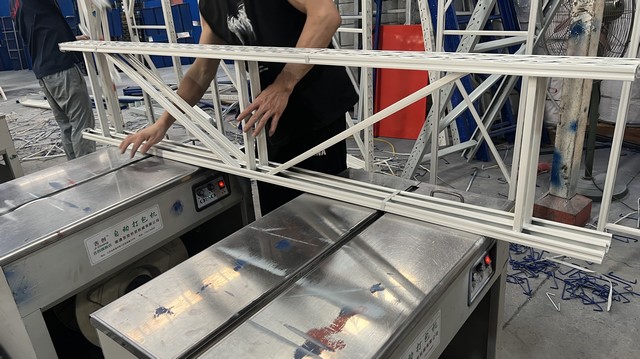
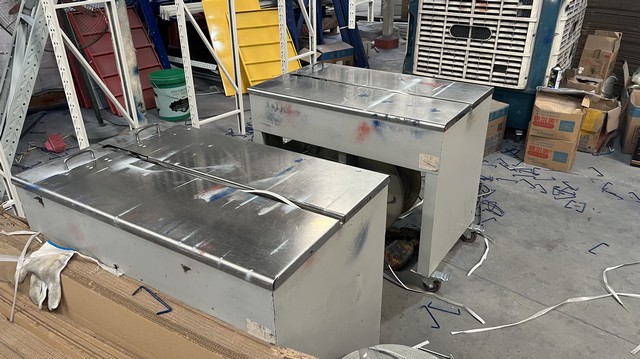
Packing Machine
Automatic Packing Machine
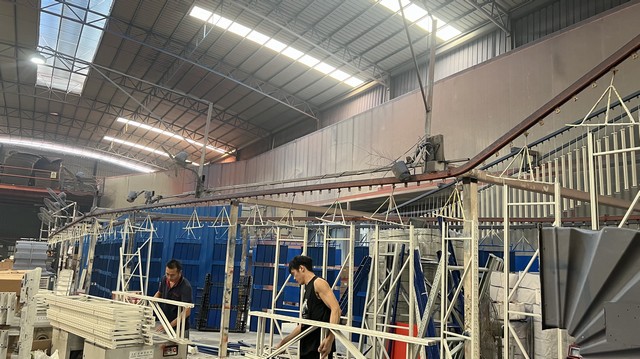
Powder Coating Production Line
Electrostatic Powder Coating

A Detailed Analysis of the Production Process

Our Factory 4.0 infrastructure utilizes end-to-end automation, reducing production waste while achieving sub-millimeter tolerances on all structural profiles:

  1. Raw Material Control: We source premium, low-alloy structural steel coils. Every batch is cataloged with mill test certificates confirming tensile strength and chemical composition.
  2. Advanced Roll-Forming: Our CNC cold-rolling machines shape uprights and beams with high precision, ensuring optimal load distributions and preventing structural twisting under stress.
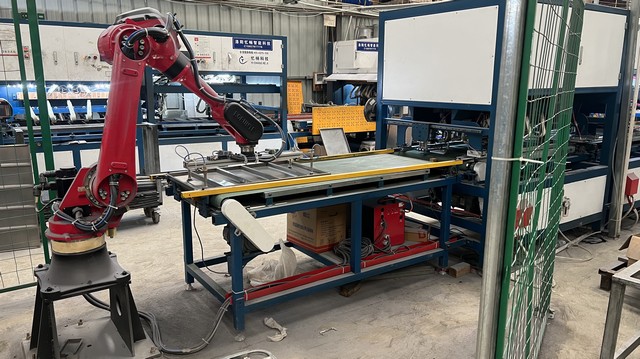
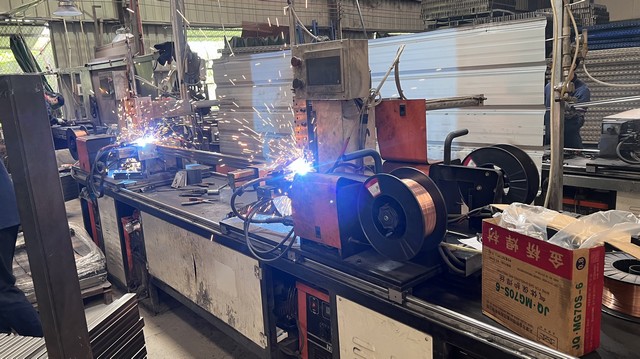
  3. Robotic Welding Operations: Standardized robotic cells perform gas metal arc welding (GMAW). This ensures deep joint penetration and identical weld contours for every connector bracket.
  4. Electrostatic Powder Coating: Components are run through a multi-stage chemical wash, zinc phosphate pre-treatment, and then coated with heavy-duty polyester-epoxy powder. This protects the steel from oxidation and moisture, making the system ideal for damp cold-storage facilities.

Custom OEM/ODM System Configurations

How we engineer tailored solutions for enterprise logistics managers and industrial warehouse buyers worldwide.

Custom Lane Engineering

We configure optimal pitch gradients (typically 3% to 4%), roller spacing, split rollers, and specific speed controllers based on your pallet footprint and weight range (500kg - 1500kg per position).

Seismic Design Calculations

For operations located in active seismic zones, our 18 design and mechanical engineers execute Finite Element Analysis (FEA) to determine specific reinforcement columns, anchor configurations, and frame modifications.

Corrosion & Wash-Down Coatings

For chemical facilities, pharmaceutical plants, or cold rooms down to -30°C, we provide hot-dip galvanized finishes and custom powder formulations designed to resist thermal shock and oxidation.

Technology Roadmap & Future Outlook

Integrating next-generation sensors, advanced logistics interfaces, and smart mechanical designs into gravity flow lanes.

Phase 1

IoT Sensor Integration

Developing dynamic lane monitors that measure real-time speed, roller wear, and pallet placement. These IoT-enabled rollers report back to the warehouse management system (WMS) to prevent blockages or localized flow failures.

Phase 2

Hybrid Gravity-Shuttle Technology

Integrating gravity flow lanes with automated shuttle platforms. This provides deep storage capacity across long spans (over 30 pallets deep) with automated pallet indexing, minimizing spatial footprints and structural strain.

Phase 3

Eco-Friendly Materials & Composite Wheels

Transitioning flow lane wheels to high-durability bio-composites. These materials provide a lower carbon footprint during production, operate with less friction noise, and maintain their physical properties in extreme cold-storage environments.

Global Compliance, Safety, & Operational Integration

Industrial storage systems must comply with strict national safety standards. At Guangzhou Fangjiu Shelf Co., Ltd., we align our structural designs with global regulatory requirements, including EN 15512 (European Racking Standards), FEM 10.2.02 (European Federation of Materials Handling), and ANSI/RMI MH16.1 (Rack Manufacturers Institute in North America).

Our localized support network ensures that engineering designs, dynamic load ratings, and assembly blueprints are prepared to assist local structural engineers with building permits. Additionally, we provide comprehensive installation guidance, structural analysis files, and site supervision services to ensure complete peace of mind during setup and commissioning.

Export Capabilities: Over the past year, we launched 45 new, optimized storage designs to address changing shipping clearances, pallet standards, and heavy-duty load parameters. Our teams are highly experienced with global maritime freight requirements, shipping products securely in custom packaging to prevent shifting, friction damage, or corrosion during transit.

Frequently Asked Technical Questions (FAQ)

Deep insight into configuration, design validation, and operation of high-density gravity racks.

What parameters are needed to custom-design a gravity flow lane?
We require the maximum and minimum pallet weights, overall pallet dimensions (width, depth, height), bottom runner configurations (direction of wood slats), operating temperatures (ambient or cold storage), and your forklift reach limitations. This details exactly what roller spacing, pitch angle, and braking rollers are required.
How do you prevent pallets from colliding at high speeds?
We install custom centrifugal speed controllers at calculated locations within the flow lane. These dynamic brakes limit kinetic energy, maintaining speed at approximately 0.25 m/s. An end separator mechanism also holds back the weight of the trailing pallets, preventing line pressure from acting on the front pallet during picking.
Can gravity flow racks be used in freezing or cold storage facilities?
Yes. Our cold storage systems feature specialized low-temperature bearing lubricants, galvanized finishes, and cold-resistant polymer rollers. This allows them to function reliably down to -30°C without risk of component failure.
What maintenance program is recommended for flow lanes?
We recommend a semi-annual inspection to check roller rotation, debris in the track, torque of structural bolt assemblies, alignment of speed controllers, and to clean off any surface contaminants that might impact flow efficiency.