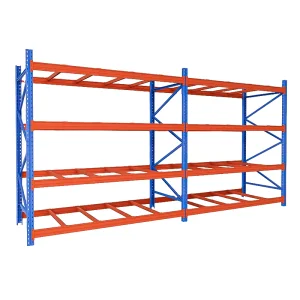
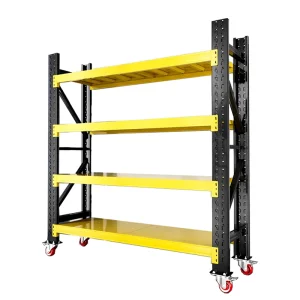
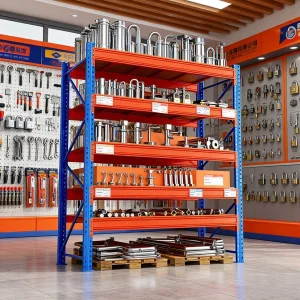
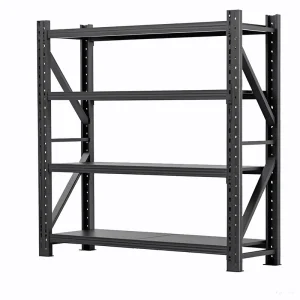
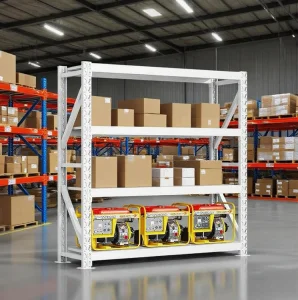
Precision-engineered heavy-duty racking configurations designed to maximize volumetric efficiency and load-bearing safety parameters.
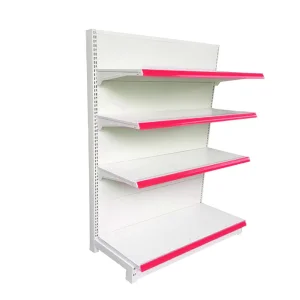
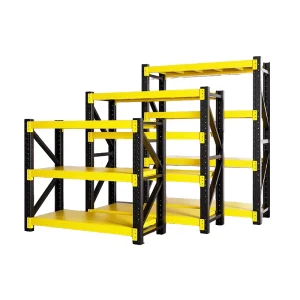
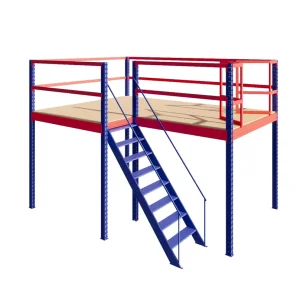
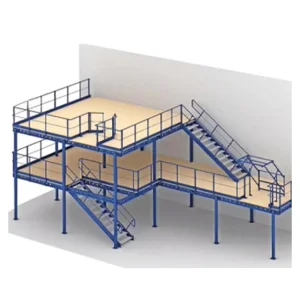
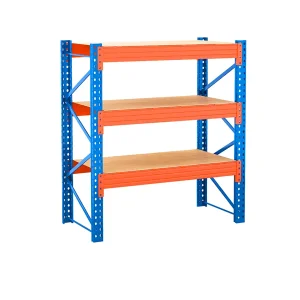
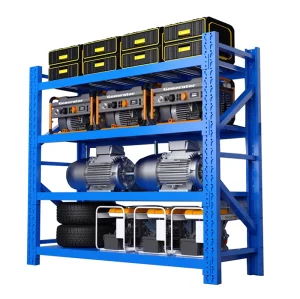
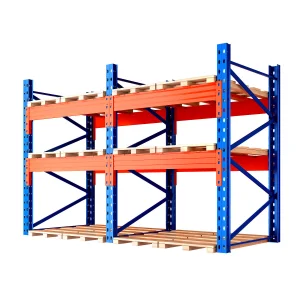
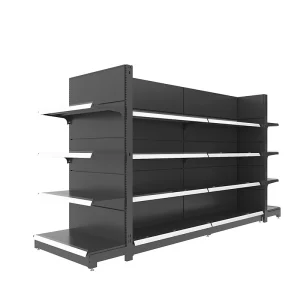
Strategic supply chain metrics representing our commitment to advanced industrial storage system R&D and global market execution.
Guangzhou Fangjiu Shelf Co., Ltd. is a premier manufacturer and global provider of heavy-duty warehouse racking and industrial storage systems. Established in 2015, the company operates a modern manufacturing facility spanning 32,000 square meters, serving as a trusted backbone for global supply chain optimization.
With 16 years of deep industry expertise and 8 years of dedicated international export experience, Fangjiu Shelf delivers high-caliber storage solutions engineered for durability, safety, and operational efficiency. Driven by strong trade backgrounds and robust commercial capabilities, we generate over $18 million in annual export turnover, exporting high-performance storage products to major markets across North America, Western Europe, and Southeast Asia.
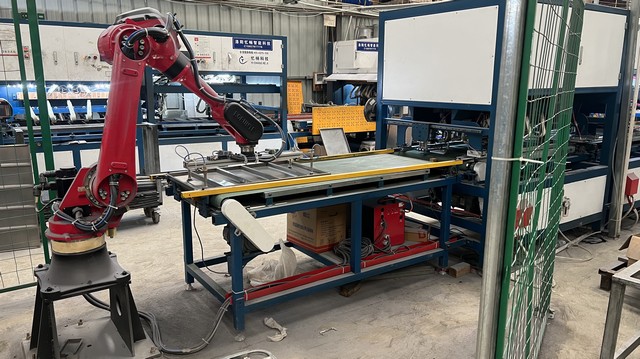
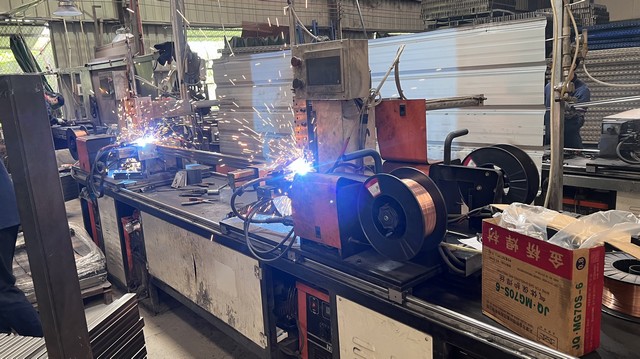
Quality assurance is embedded in every stage of our operations. Supported by a rigorous Quality Management System (ISO 9001, CE certified) and a dedicated team of 35 quality control personnel, every batch undergoes comprehensive raw material testing, robotic weld inspection, load-bearing stress tests, and powder-coating thickness audits.
Our extensive industry integration connects us with over 850 reliable supply chain partners, allowing us to supply diverse global clients—ranging from multinational logistics centers and industrial distributors to commercial retail brands. Backed by advanced R&D capabilities, including 18 specialized mechanical and design engineers, we offer full OEM/ODM custom options—including custom dimensioning, load capacity engineering, color matching, and special seismic structural design.
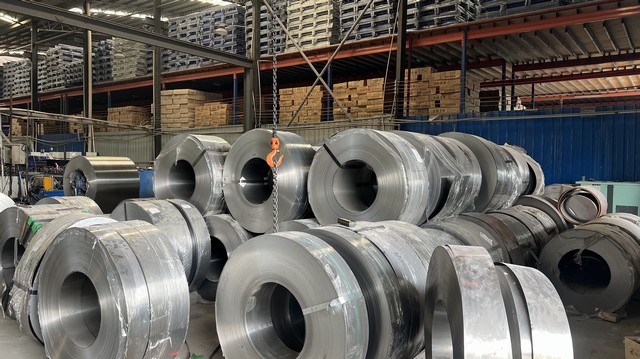
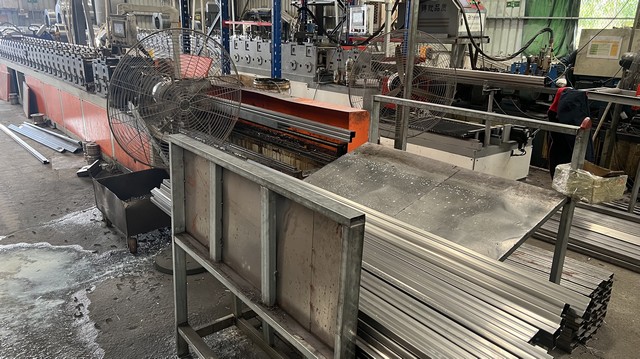
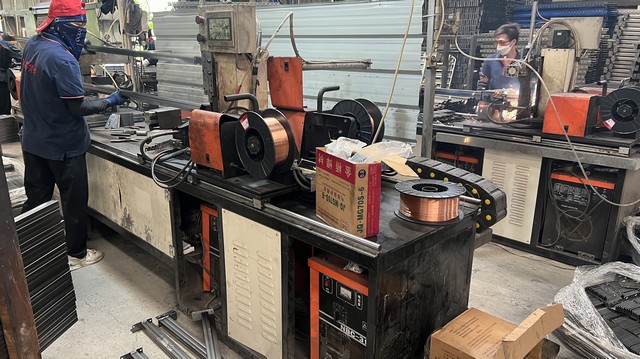
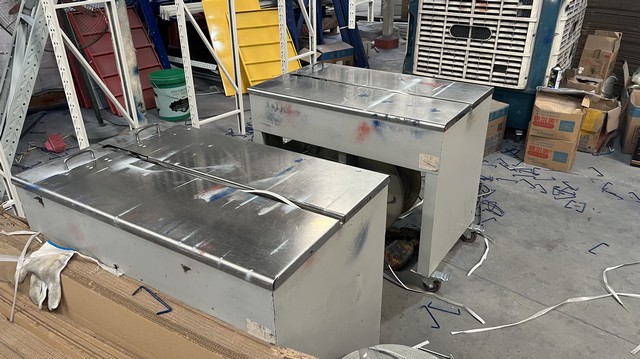
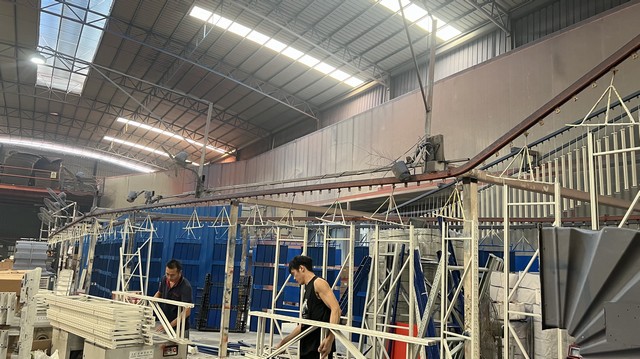
Inside Guangzhou Fangjiu Shelf Co., Ltd.'s state-of-the-art rolling, welding, and powder coating lines.
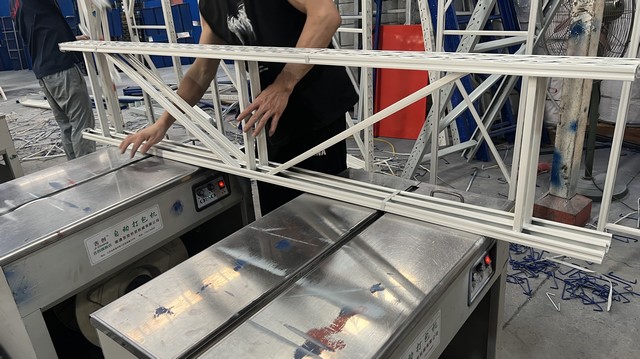
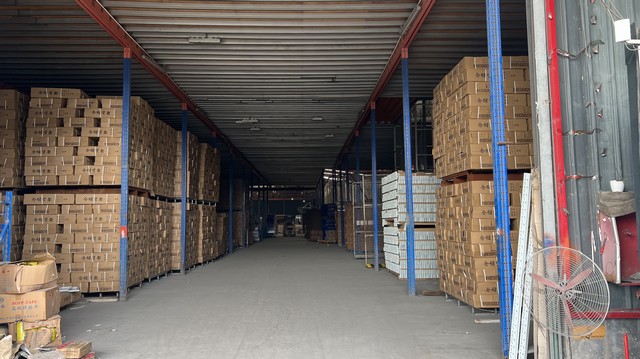
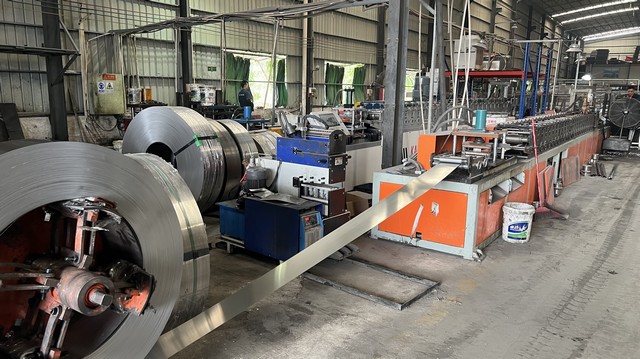
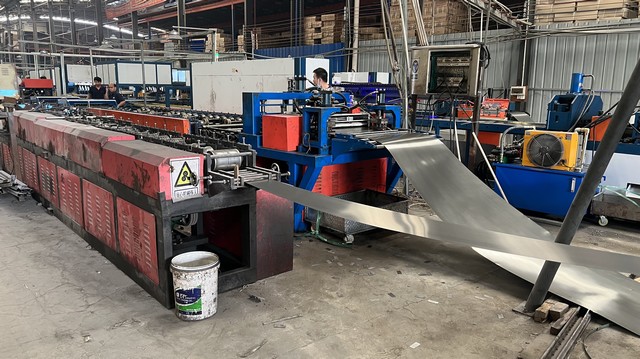
An authoritative analysis of high-density vertical warehousing, material selection, engineering dynamics, and global supply chain integrations.
In the contemporary logistics ecosystem, land scarcity and skyrocketing real estate values have compelled logistics operators and manufacturing enterprises to shift focus from horizontal footprint expansions to optimized vertical volume utilization. Vertical racks have transitioned from basic metal frames into multi-functional, structural load-bearing networks integrated with automated retrieval systems (AS/RS). In key economic corridors across North America, Western Europe, and Southeast Asia, warehouse space optimization is no longer just a facility decision; it is a primary driver of supply chain resilience.
The demand for industrial vertical racks is primarily driven by three macroeconomic trends: the exponential growth of cold-chain pharmaceutical and food logistics, the rising complexity of high-throughput e-commerce fulfillment centers, and the imperative to decrease cargo damage margins in heavy industrial storage. In response, vertical rack engineering has adapted to handle extreme dynamic load capacities while offering modular adjustments. As a leading manufacturer in China, Guangzhou Fangjiu Shelf Co., Ltd. utilizes structural cold-rolled steel (Q235B and Q355) to supply racking systems that withstand vertical deflection, seismic shears, and intensive loading impacts.
"Optimizing volumetric density is the single most cost-effective metric in reducing warehouse overhead. Dynamic vertical storage architectures improve rack capacity utilization by up to 65% compared to conventional storage configurations."
Implementing vertical racking requires a systemic engineering evaluation. Different vertical profiles correspond to specific structural requirements:
Guangzhou Fangjiu Shelf Co., Ltd. designs these solutions to mitigate dynamic structural load stresses. Our mechanical design team integrates finite element analysis (FEA) to verify the dynamic integrity of columns, baseplates, and beams under maximum loads.
The durability of vertical racks is determined by structural steel quality and surface finish engineering. At Fangjiu Shelf, we utilize cold-rolled steel profiles characterized by yield strengths designed to endure continuous dynamic loading without structural fatigue.
In cold storage, chemical, or open-air environments, corrosion poses a threat to structural stability. Fangjiu utilizes two core metallurgical surface protection pathways:
Electrostatic Powder Coating: An multi-stage surface pretreatment including degreasing, acid pickling, phosphating, and polymer curing at high temperatures. This produces a resilient, scratch-resistant surface shield that prevents moisture ingress.
Hot-Dip Galvanizing & Zinc Coating: Designed for high-humidity and low-temperature settings, this process creates an alloyed metallurgical zinc bond. This barrier offers self-healing cathodic protection to prevent rust propagation from scratches or minor impacts.
To maintain international standards, vertical racks must comply with distinct regional regulatory frameworks. Supplying industrial systems globally requires adherence to specifications set by localized engineering bodies:
In North America, racking systems must align with the Rack Manufacturers Institute (RMI) standards, specifically MH16.1, which outlines dynamic design criteria for steel framing. For Western European markets, compliance with FEM (Fédération Européenne de la Manutention) 10.2.02 and EN standards dictates load factors, deflection criteria, and column protection systems.
Seismic engineering is another critical consideration. In high-risk zones, structural engineers at Fangjiu design reinforced baseplates, heavier upright frame braces, and dual-beam safety locks. This structural design mitigates seismic waves, distributing horizontal shear stresses down to floor anchor points to prevent rack collapse and secure operational personnel.
The next era of warehousing transitions vertical racking from static iron frames to data-driven smart nodes. Fangjiu’s long-term research is centered around the concept of intelligent storage structures. By incorporating load-cell sensor matrices inside the primary crossbeams, smart racks will display real-time weight allocations. This system alerts facility administrators of load imbalances or structural overloads via IoT cloud integration.
Furthermore, our development pathway prioritizes sustainability. By utilizing low-carbon green steel and eco-friendly organic powder coatings devoid of volatile organic compounds (VOCs), we assist our clients in achieving global carbon neutrality targets while delivering reliable industrial hardware.
Every profile undergoes Finite Element Analysis (FEA) to simulate load distributions. Our calculations adhere strictly to the 1.5 safety factor coefficient, ensuring structural security. Physical stress testing is conducted in-house to verify load limits before shipping.
Yes. Our 18 mechanical and design engineers calculate dynamic seismic shears based on the geographical coordinates of the installation site. We customize upright column thickness, diagonal bracing, and deploy expanded floor anchoring baseplates to comply with local seismic building codes.
For sub-zero operations, we recommend either hot-dip galvanized finishes or low-temperature resilient powder coatings. These treatments prevent condensation moisture from penetrating the carbon steel substrate, avoiding structural damage from rust.
Standard customization designs are finalized in 3-5 working days. Production cycles average 20-30 days at our 32,000 square meter plant, depending on volume.
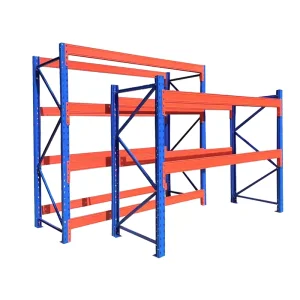
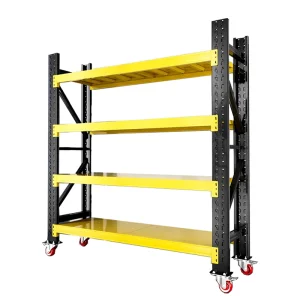
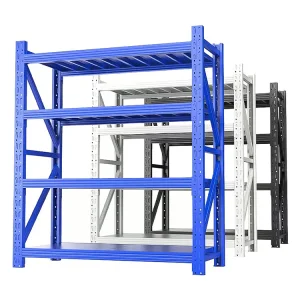
Explore our cold-rolled steel heavy-duty configurations engineered for high-throughput warehouse logistics and raw material storage.
 Fangjiu Shelf