 Fangjiu Shelf
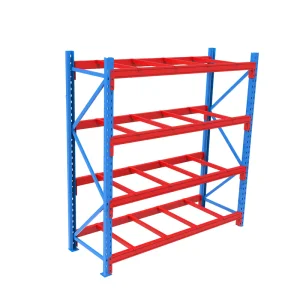
Premium OEM/ODM Manufacturing & Custom Engineering Solutions for the Saudi Arabia Logistics & Industrial Sector
Send Inquiry NowEngineered to comply with rigorous international standards, these selected racking structures provide maximum loading capacity and optimization for modern logistics infrastructures.
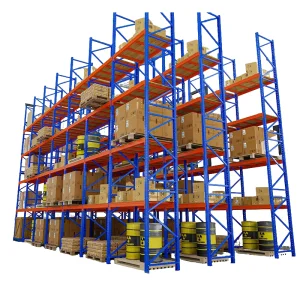
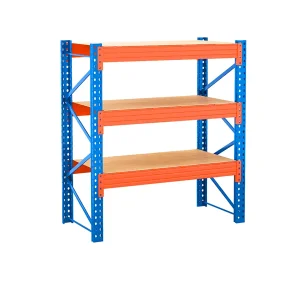
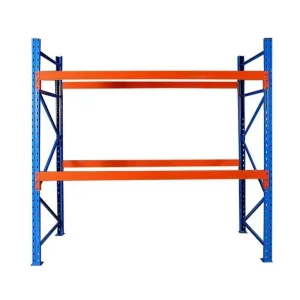
Under the ambitious framework of Saudi Vision 2030, the Kingdom of Saudi Arabia (KSA) is undergoing a massive economic transformation. Central to this initiative is the National Industrial Development and Logistics Program (NIDLP), which aims to position Saudi Arabia as a global logistics hub connecting three continents: Asia, Europe, and Africa. As massive infrastructure projects materialize, such as the Riyadh Integrated Logistics Zone, King Abdullah Economic City (KAEC), and the futuristic industrial city of NEOM Oxagon, the demand for scalable, robust, and highly efficient warehouse infrastructure has reached unprecedented heights.
Modern supply chain optimization in Saudi Arabia requires more than just standard shelving; it demands engineered structural steel systems designed to handle dynamic and static loads under intense operating schedules. The dry, arid heat of inland cities like Riyadh and the severe marine moisture and salinity along the Red Sea coast (Jeddah) and the Arabian Gulf (Dammam) pose significant material challenges. Storage solutions must feature robust anti-corrosive powder coatings or hot-dip galvanization to endure these regional environmental stressors without structural degradation over long-term cycles.
"To succeed in Saudi Arabia's burgeoning industrial landscape, warehousing solutions must move past generic parameters. High-density storage facilities must integrate structural reliability with thermal and seismic consideration, complying with the Saudi Building Code (SBC) while maximizing vertical clearance efficiency."
Furthermore, Saudi Arabia is modernizing its local distribution channels to support cross-border e-commerce, food supply chains, and industrial manufacturing. Strategic initiatives are driving businesses to shift from traditional low-density layouts to automated and high-density narrow-aisle racking systems. This macro-environmental shift demands direct coordination with specialized manufacturers capable of delivering customized, heavy-duty configurations that align with KSA's civil safety and civil defense standards.
Saudi Arabia exhibits distinct seismic regions, particularly in the western province near the Red Sea rift zone. Designing heavy-duty warehouse shelving for installations in Jeddah, Yanbu, or NEOM requires sophisticated structural engineers to calculate seismic force distributions according to the Saudi Building Code (SBC 301 - Structural Soil and Foundations, and SBC 401 - Structural Concrete/Steel). Frame uprights must feature enlarged baseplates with heavy-duty anchor bolts to safely dissipate seismic forces. The calculation models assess the structural natural frequency, ensuring that the loaded racking system does not reach resonance during seismic activity, avoiding structural collapse.
Inland logistics nodes like Riyadh experience extreme temperature swings, rising above 50°C in the summer and dropping sharply overnight. High-quality Q235B and Q355B structural steel must be engineered to prevent brittle failure under stress. For refrigerated and deep-freeze logistics (crucial for KSA's pharmaceutical and food security strategies), racking materials must resist low-temperature embrittlement down to -30°C. Standard powder coatings will crack under intense thermal contraction; therefore, specialized epoxy-polyester coatings or hot-dip galvanized finishes must be applied to ensure long-term integrity.
Industrial operations in coastal areas face salt-laden atmosphere exposure that rapidly accelerates rust on unprotected steel. The primary defense is a multi-step pre-treatment phase prior to powder coating, which includes acid pickling, phosphating, and electrodeposition. The thickness of the powder coat is strictly controlled between 60 to 80 microns, resulting in a smooth, non-porous layer that locks out oxygen and moisture. For high-humidity storage spaces, hot-dip galvanized coatings according to BS EN ISO 1461 are standard, providing cathodic protection that prevents rust creep even if the racking is mechanically scratched during forklift operations.
Guangzhou Fangjiu Shelf Co., Ltd. is a premier manufacturer and global provider of heavy-duty warehouse racking and industrial storage systems. Established in 2015, the company operates a modern manufacturing facility spanning 32,000 square meters, serving as a trusted backbone for global supply chain optimization. With 16 years of deep industry expertise and 8 years of dedicated international export experience, Fangjiu Shelf delivers high-caliber storage solutions engineered for durability, safety, and operational efficiency. Driven by strong trade backgrounds and robust commercial capabilities, we generate over $18 million in annual export turnover, exporting high-performance storage products to major markets across Saudi Arabia, North America, Western Europe, and Southeast Asia.
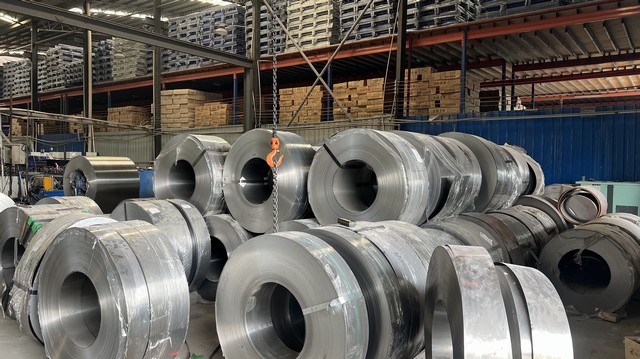
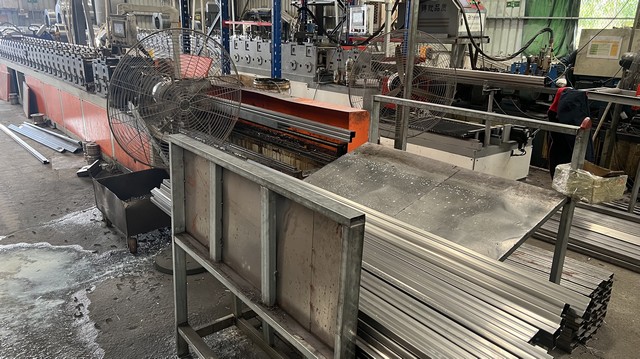
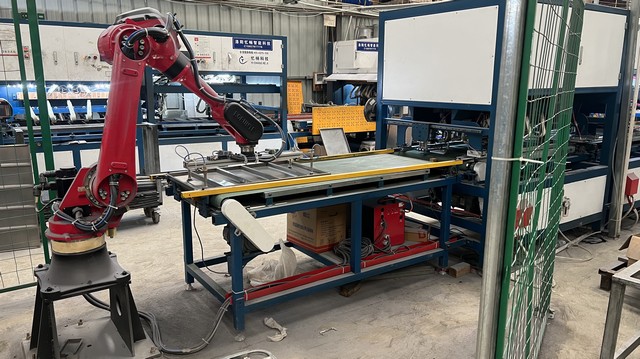
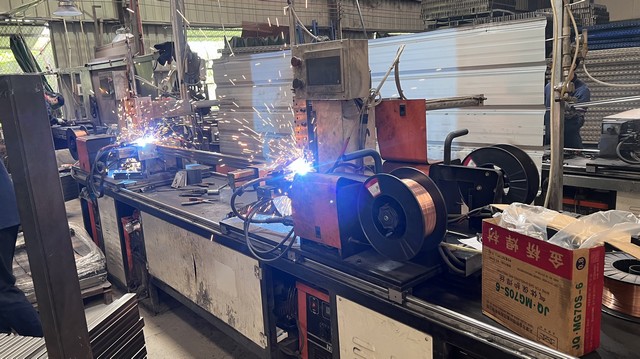
Quality assurance is embedded in every stage of our operations. Supported by a rigorous Quality Management System (ISO 9001, CE certified) and a dedicated team of 35 quality control personnel, every batch undergoes comprehensive raw material testing, robotic weld inspection, load-bearing stress tests, and powder-coating thickness audits. Our extensive industry integration connects us with over 850 reliable supply chain partners, allowing us to supply diverse global clients—ranging from multinational logistics centers and industrial distributors to commercial retail brands. Backed by advanced R&D capabilities, including 18 specialized mechanical and design engineers, we offer full OEM/ODM custom options—including custom dimensioning, load capacity engineering, color matching, and special seismic structural design. Demonstrating our commitment to continuous innovation, Fangjiu Shelf successfully launched 45 new optimized storage products last year, continuing to set standards for warehouse safety and efficiency worldwide.
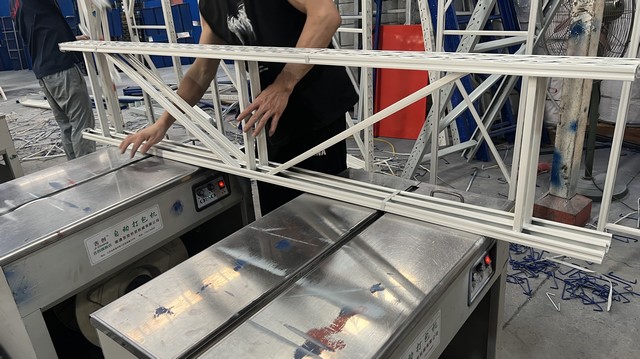
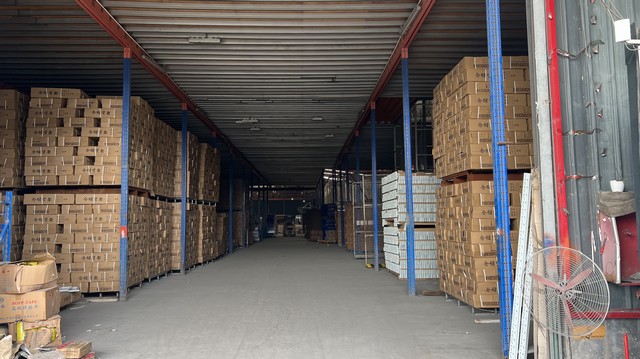
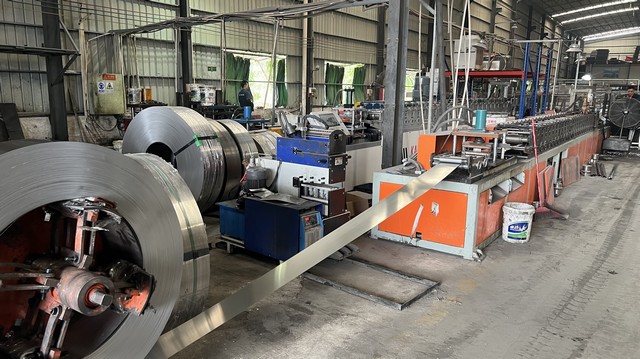
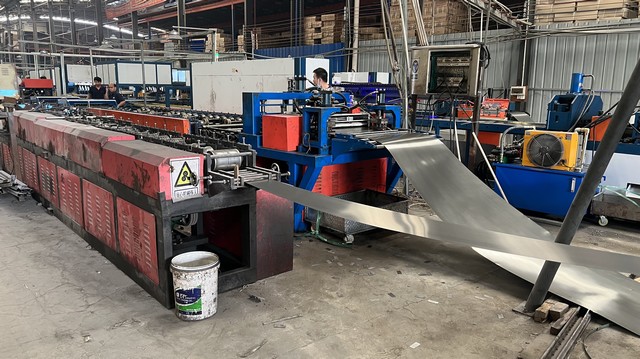
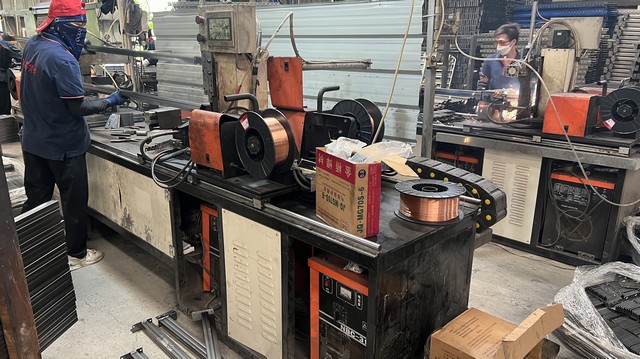
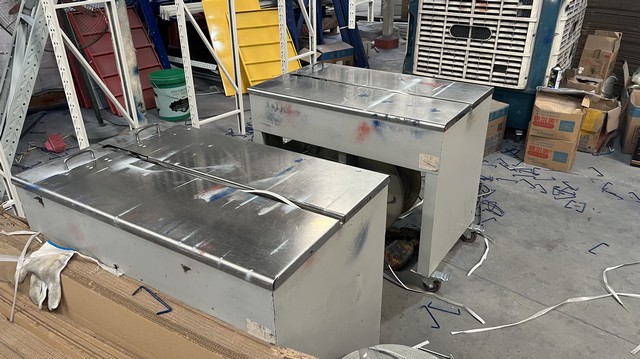
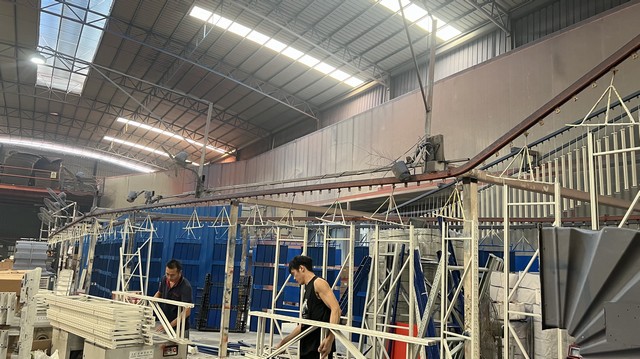
Our engineering services cater to multiple economic sectors within Saudi Arabia, offering tailored material handling solutions that enhance operations and improve spatial efficiency.
The chemical and petrochemical sectors in Jubail and Yanbu require heavy-duty storage capable of supporting industrial liquids, raw polymers, and machinery spares. Heavy-duty cantilever and pallet racks built with high-yield Q355B structural steel are used here. These systems are calculated with static load safety margins of 1.5 to 2.0 to ensure zero failure risks under load. Optional galvanization provides chemical resistance against harsh petrochemical emissions.
Maintaining temperature-controlled food distribution and pharmaceuticals is crucial in Saudi Arabia. Drive-In and Pallet Shuttle systems maximize cold-room cubic volume, reducing cooling costs. By minimizing forklift aisles, thermal loss is minimized. The structural steel and epoxy coatings are designed to withstand structural contraction and thermal shock at temperatures down to -30°C.
With Saudi Arabia's e-commerce sector expanding rapidly, fulfillment hubs require multi-tier mezzanine and selective pallet racking systems to handle high SKU varieties and rapid picking cycles. We design narrow-aisle (VNA) systems that utilize high-bay forklift guidance technologies, increasing storage density by up to 50% compared to standard layout formats.
Looking to the future, the global logistics sector is rapidly shifting toward automated, low-labor environments. As part of our alignment with Saudi Arabia's Vision 2030, our R&D team is focused on integrating heavy-duty racking with Automated Storage and Retrieval Systems (AS/RS). This technology combines high-tolerance steel racking with robotic crane systems, shuttle cars, and warehouse control software (WCS) to handle logistics operations automatically.
To support high-rise automated operations, manufacturing tolerances must be extremely precise. Our production line maintains upright deviation tolerances within 1/1000, ensuring smooth robotic operations at heights exceeding 20 meters. Additionally, we are researching smart racking technologies that use embedded IoT sensors to monitor load distribution and detect structural deformation in real-time, preventing overloading hazards and streamlining safety audits.
Expert answers regarding engineering specs, KSA regulatory approvals, structural integrity, and customization capabilities.
Discover our comprehensive range of high-performance industrial racking. Built with premium materials to ensure safety and long service life in high-throughput warehouse environments.
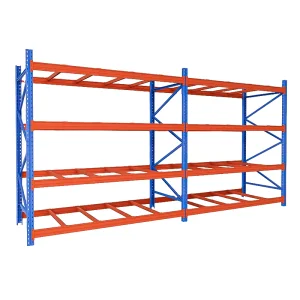
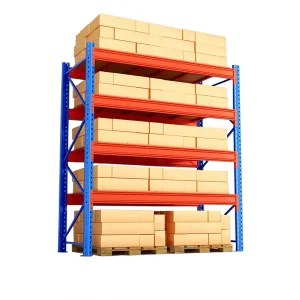
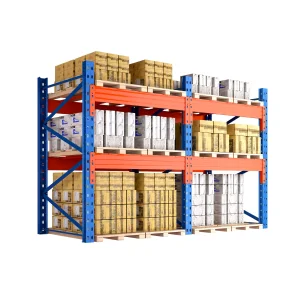
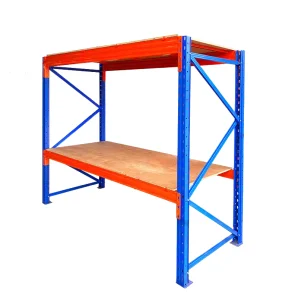
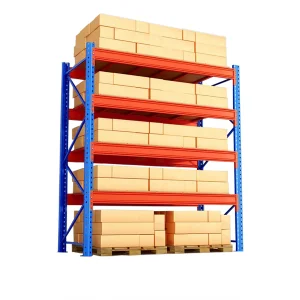
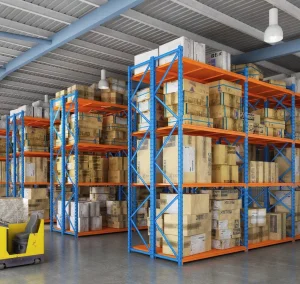
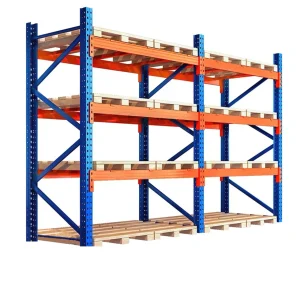
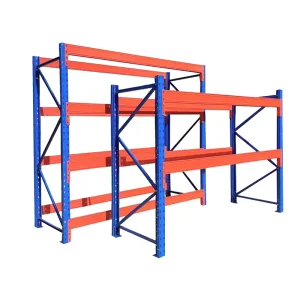
Work with our expert engineering team to design custom, SASO-compliant heavy-duty storage configurations tailored to your local logistics requirements.
Send Inquiry Now