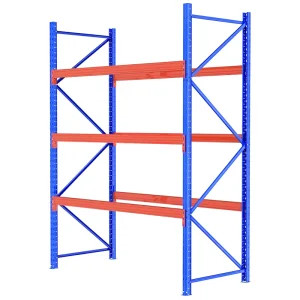
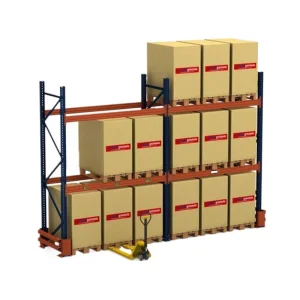
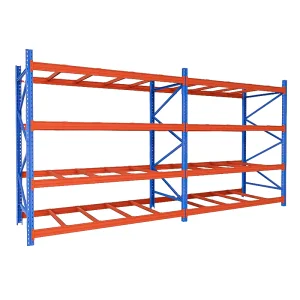
Engineered structural steel storage structures meticulously configured to withstand high dynamic loading and meet local compliance audits.
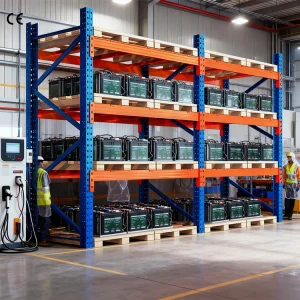
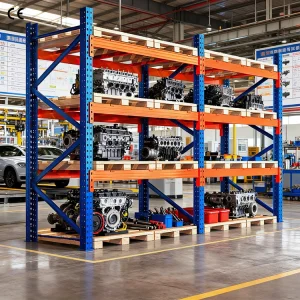
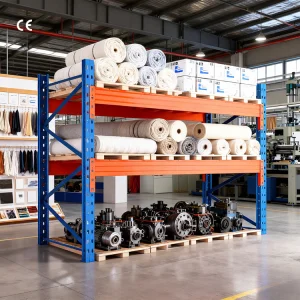
A Comprehensive Market Analysis on Heavy-Duty Racking Compliance, Global Sourcing Dynamics, and Supply Chain Architecture.
Strict enforcement of the newly updated AS 4084:2023 standards mandates rigorous structural compliance, limiting acceptable deflection profiles and requiring formal yearly inspections.
Industrial land scarcity in key hubs like Western Sydney and Outer Melbourne is forcing operators to shift toward high-bay, very narrow aisle (VNA) designs to maximize volumetric footprint efficiency.
Australia’s harsh regional climates, ranging from highly corrosive coastal zones to high-temperature inland mineral fields, require robust corrosion-resistant surface coatings (AS/NZS 4680 compliance).
The Australian industrial logistics market is experiencing unprecedented demand, fueled by the permanent expansion of localized e-commerce networks and cold-chain infrastructure. In primary logistics corridors such as the Eastern Seaboard—encompassing Melbourne, Sydney, and Brisbane—the rental yield per square meter has hit historic highs. Consequently, warehouse operators cannot afford dead space. High-density, heavy-duty shelving systems have transitioned from simple storage utilities to critical nodes of productivity.
Crucial to sourcing racking in Australia is absolute compliance with the Australian Standard AS 4084 (Steel Storage Racking). The standard governs the design, testing, installation, and operation of adjustable static pallet racking. It specifies load calculations, safety clearance margins, structural integrity under load, and seismic bracing configurations. Purchasing heavy-duty shelves that fail to meet these parameters puts operations at risk of workplace health and safety (WHS) non-compliance, insurance invalidation, and catastrophic structural failure.
When procurement managers for global entities look to optimize their Australian distributions, they face a dual challenge: high domestic labor and raw steel costs versus the logistical complexities of importing. Sourcing directly from reputable, vertically-integrated manufacturers in China offers a competitive path, provided the exporter understands the specific metallurgical and regulatory requirements of the Australian market.
Strategic sourcing is no longer just about the lowest price per upright frame. Procurement teams now focus on Total Cost of Ownership (TCO), which includes:
To meet the strict expectations of the Australian market, Guangzhou Fangjiu Shelf Co., Ltd. has developed a streamlined, technology-driven production process. Established in 2015, we operate a 32,000-square-meter modern manufacturing facility that acts as the direct logistical backbone for international exporters. Leveraging 16 years of industry experience and 8 years of global export distribution, we generate an annual export turnover of over $18 million.
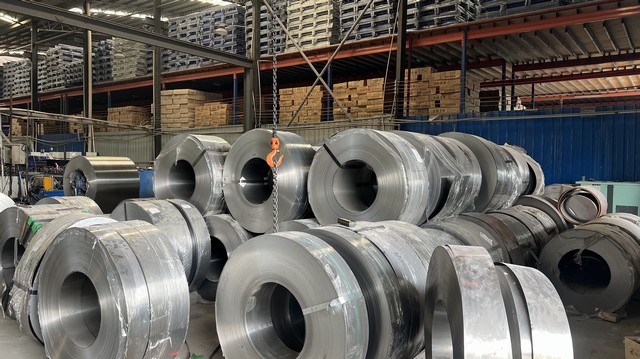
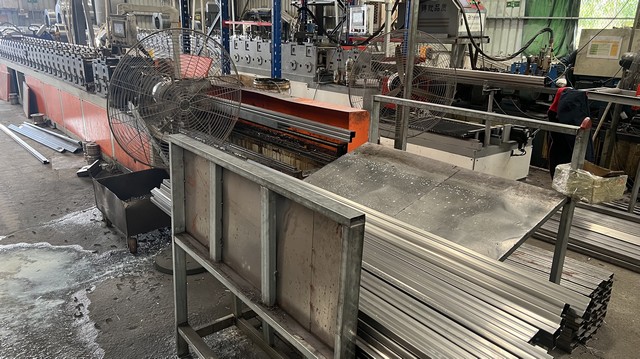
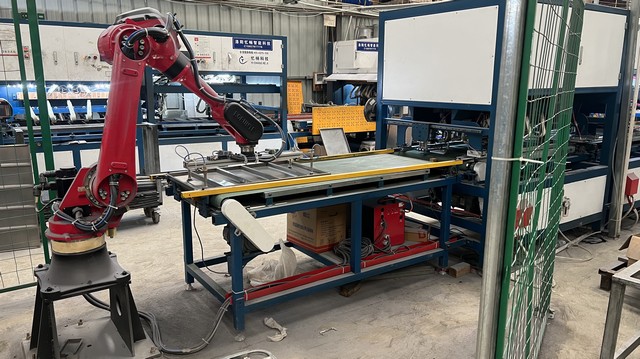
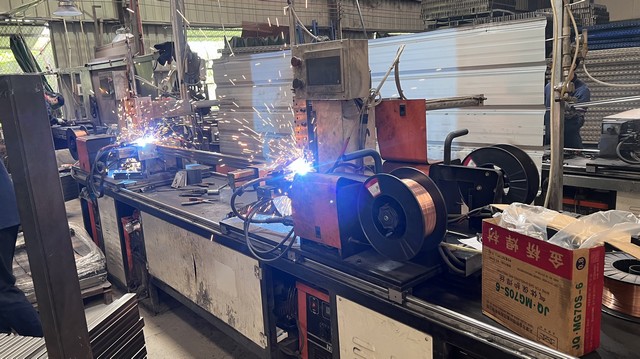
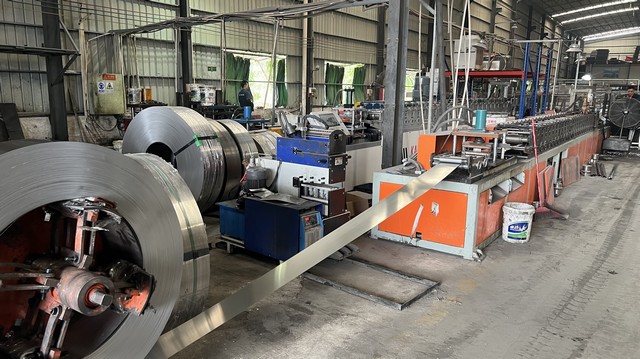
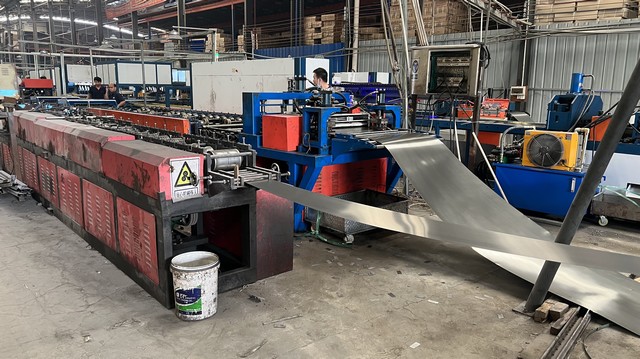
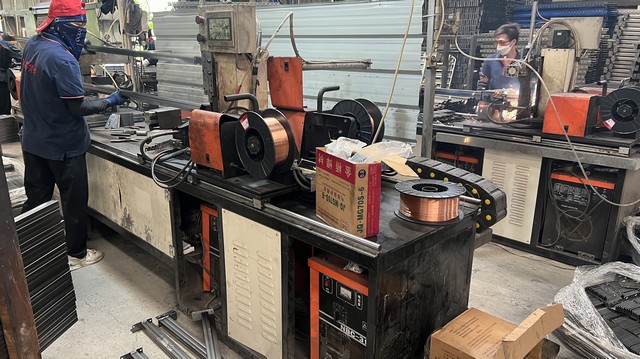
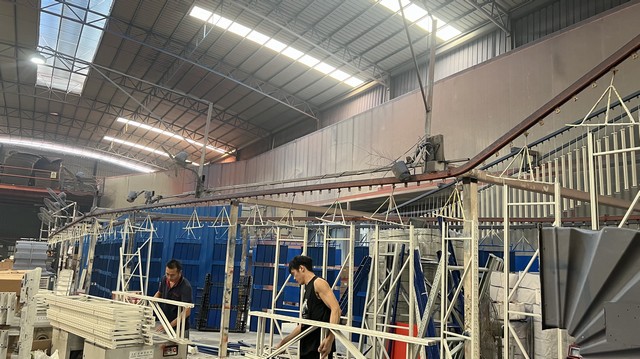
Our facility utilizes advanced Factory 4.0 automation. This includes fully automatic roll-forming mills that maintain tolerances within fractions of a millimeter, robotic welding bays that produce structurally sound joints, and an automated continuous powder-coating system that ensures a flawless, corrosion-proof finish. Our QA/QC department features 35 dedicated technicians, maintaining strict ISO 9001 and CE certifications. By managing the supply chain from raw steel coils to the final containerized shipment, we bypass regional intermediaries, offering direct-to-enterprise cost efficiencies while maintaining strict AS 4084 compliance.
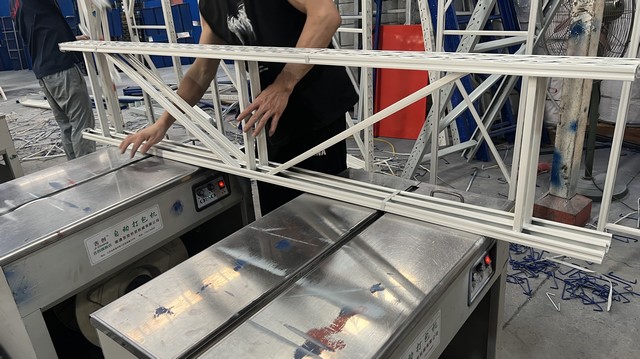
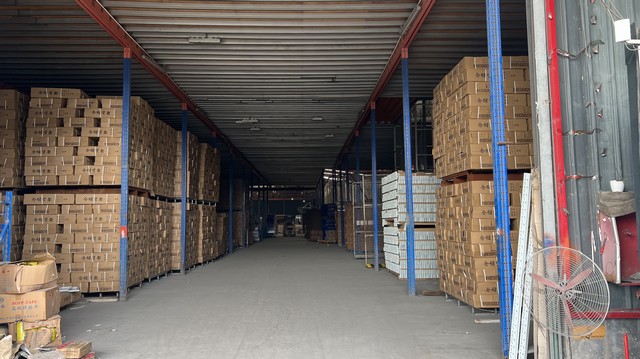
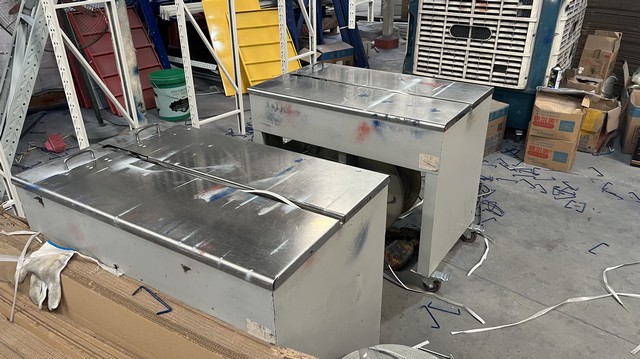
A look inside our ISO 9001 certified Chinese facility, highlighting the automated machinery and strict quality checks behind our heavy-duty industrial shelving.
How physical racking geometry and steel structural calculations adapt to different industries across Australia.
For mining camps, remote supply depots, and maintenance workshops in regions like the Pilbara, heavy-duty shelving needs to store heavy machinery parts. We offer hot-dip galvanized cantilever structures that resist dirt, chemicals, and extreme temperatures without losing structural integrity.
Cold storage facilities operate under sub-zero temperatures, which can make cheap steel brittle and cause standard finishes to crack. Our cold-store racking systems use high-grade structural alloys and specialized low-temperature powder coatings to maintain safe load-bearing limits inside freezing environments.
High-turnover 3PL operators in Western Sydney and Melbourne require maximum vertical storage density. Using VNA (Very Narrow Aisle) systems and drive-in racks helps minimize warehouse aisle width down to 1.6 meters, boosting total pallet capacity by up to 50% compared to standard configurations.
Key technical insights to guide your decision-making when importing industrial storage systems to the Australian market.
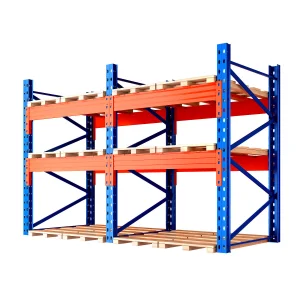
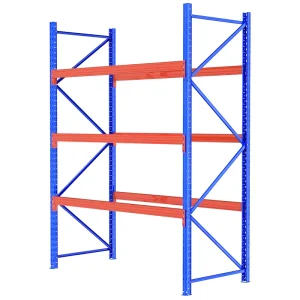
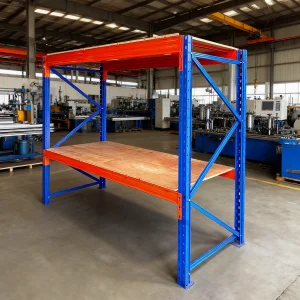
Explore our complete range of heavy-duty industrial storage systems, designed for durable and safe operations across Australia.
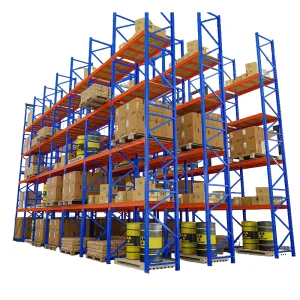
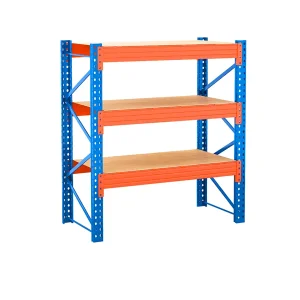
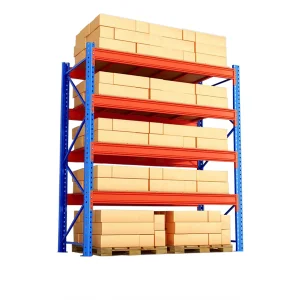
Get in touch with our design engineers for detailed CAD structural drawings, weight capacity calculations, and factory-direct pricing for your project in Australia.
Send Inquiry Now Fangjiu Shelf