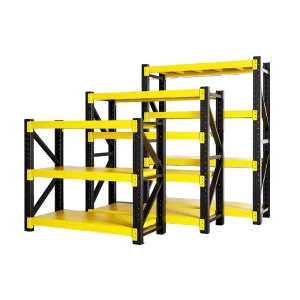
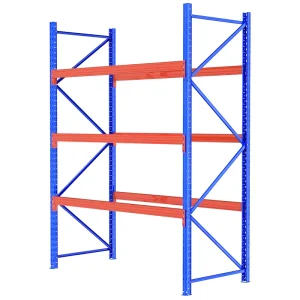
Engineered for high-density applications, global safety certification, and robust operational execution.
How structural heavy-duty platforms are redefining industrial footings amid rising land costs and supply chain constraints.
Global supply chains are undergoing unprecedented consolidation. As distribution centers face the dual pressure of skyrocketing square-footage costs and rapid-turnover demands, utilizing vertical space is no longer just an option—it is a critical commercial imperative. Heavy-duty platforms and structural steel mezzanines serve as the foundational architecture for this physical optimization. By transforming single-level footprints into multi-tiered dynamic hubs, industrial operations can double or triple their operational floor space without expanding their physical footprint.
Our solutions cater directly to these macro shifts. By fabricating heavy-duty platforms from premium structural steel profiles (Q235B and Q355), we ensure structural integrity under heavy loads, safeguarding human operators and high-value automated equipment. These platforms are strategically engineered to handle dynamic shear stresses, seismic forces, and high-point loads typical of complex mechanical sorting systems.
Enabling facilities to maximize cubic volume. Our structural platforms convert overhead air into high-capacity logistics space, increasing storage capacity by up to 200%.
Designed to support heavy-duty multi-tier pick modules and dynamic sorting machinery, allowing rapid processing of high-volume SKUs.
Calculated for specific geographical seismic zones, maintaining strict structural compliance under dynamic load conditions to prevent workplace hazards.
A trusted backbone for global supply chain optimization, delivering high-caliber industrial storage systems.
Established in 2015, Guangzhou Fangjiu Shelf Co., Ltd. operates a state-of-the-art manufacturing facility spanning 32,000 square meters. Guided by 16 years of deep industry expertise and 8 years of dedicated international export experience, we deliver robust storage and mezzanine structures engineered for durability, safety, and operational excellence. Driven by strong trade backgrounds and robust commercial capabilities, we generate over $18 million in annual export turnover, supplying high-performance racking to major markets across North America, Western Europe, and Southeast Asia.
Quality assurance is embedded in every stage of our operations. Supported by a rigorous Quality Management System (ISO 9001 and CE certified) and a dedicated team of 35 quality control personnel, every batch undergoes comprehensive raw material testing, robotic weld inspection, load-bearing stress tests, and powder-coating thickness audits. Our extensive industry integration connects us with over 850 reliable supply chain partners, enabling us to supply diverse global clients—ranging from multinational logistics centers and industrial distributors to commercial retail brands.
Backed by advanced R&D capabilities, including 18 specialized mechanical and design engineers, we offer full OEM/ODM custom options—including custom dimensioning, load capacity engineering, color matching, and special seismic structural design. Demonstrating our commitment to continuous innovation, Fangjiu Shelf successfully launched 45 new optimized storage products last year, continuing to set standards for warehouse safety and efficiency worldwide.
A look into our vertically integrated manufacturing facility, showing how precision raw materials are transformed into certified heavy-duty structural steel platforms.
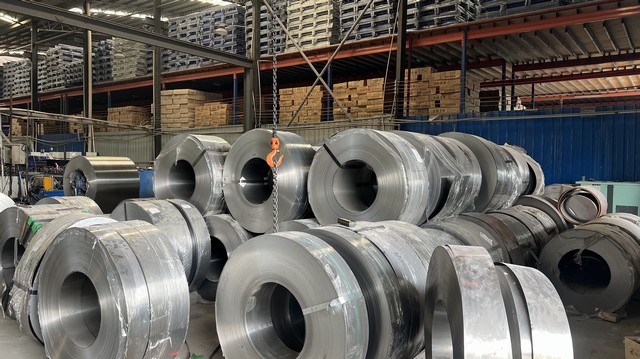
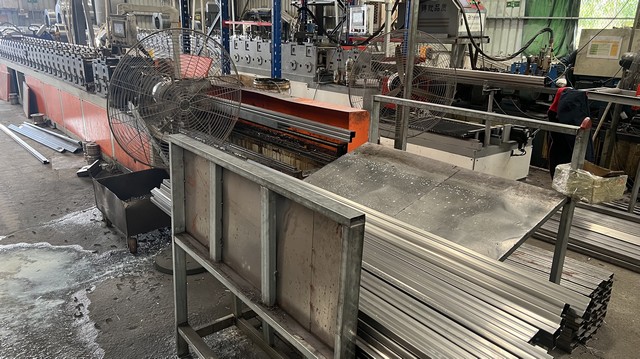
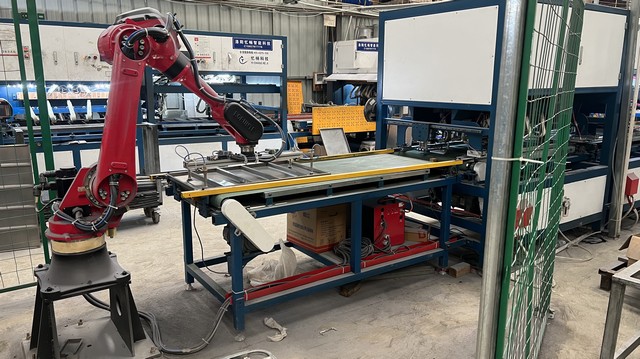
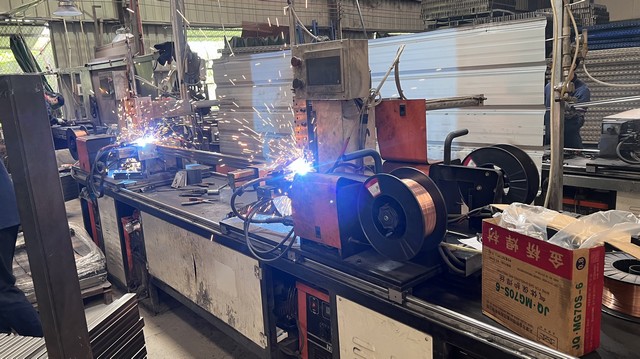
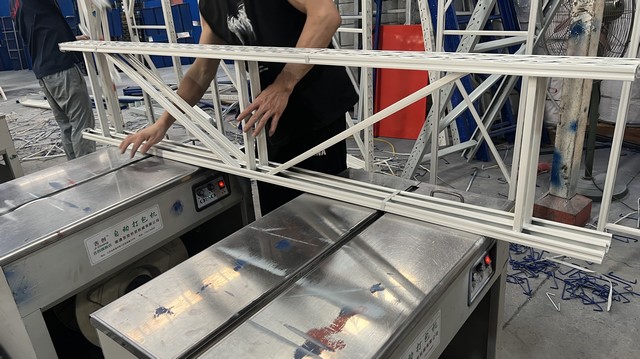
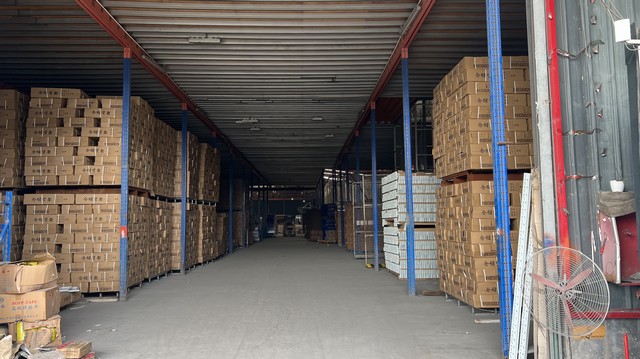
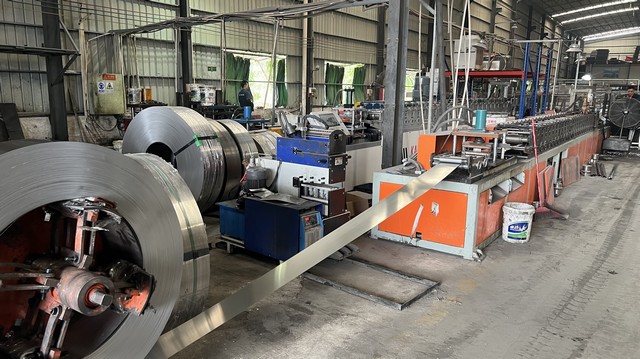
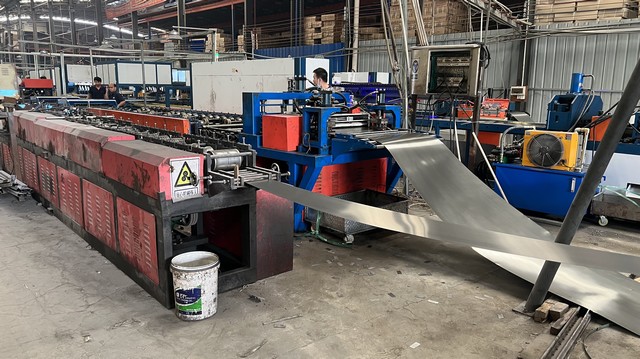
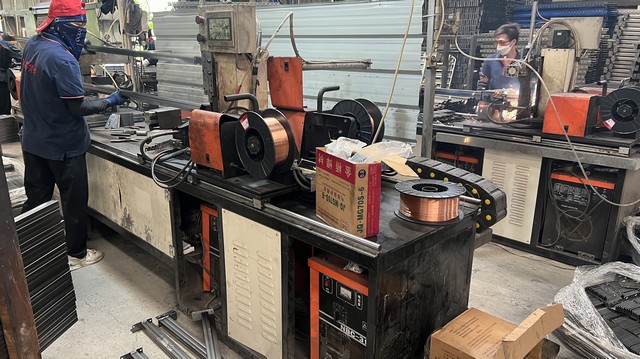
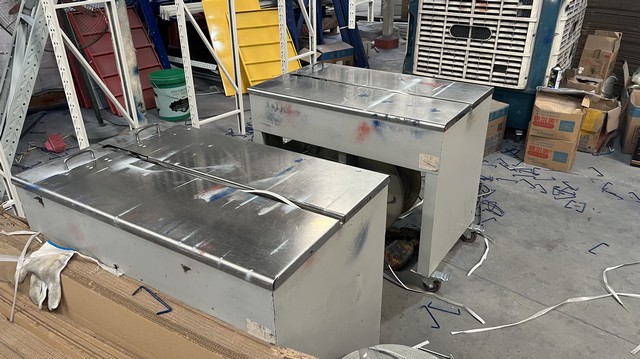
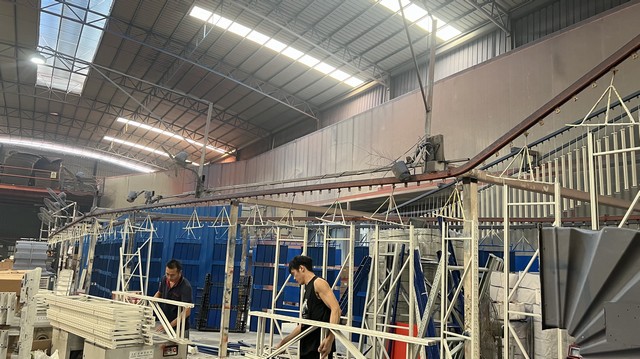
Our raw material coils undergo cold roll forming via automated CNC-driven rolling lines to shape high-yield uprights and beams. Our robotic welding cells utilize gas-shielded arc processes to achieve clean, slag-free, structural weld joints that are continuously monitored for depth and penetration. Post-welding, all steel components pass through a multi-stage pre-treatment wash (degreasing and iron phosphating) before moving through the electrostatic powder coating system. This process ensures a dry film thickness (DFT) of 70 to 110 microns, delivering superior corrosion protection and long-term surface durability.
Tailoring steel structures to meet specific global regional regulations and demanding operating environments.
Industrial storage configurations differ substantially depending on localized regulatory mandates and site conditions. Understanding these nuances is critical to delivering safe and compliant systems.
Designed in compliance with Rack Manufacturers Institute (RMI) guidelines. Our heavy-duty systems use tear-drop configuration punchings and heavy-duty structural steel floor tiebacks, ideal for major distribution hubs in the US and Canada.
Engineered for European warehouses requiring strict adherence to CE directives, EN 15512 structural limits, and FEM 10.2.02 racking standards. Features structural upright frame configurations, integrated safety barriers, and drop-in lock pins.
Optimized for sub-zero food distribution warehouses and highly humid coastal processing facilities. Engineered with heavy zinc-plated, hot-dip galvanized (HDG), or specialized epoxy-polyester anti-corrosive coatings to prevent structural degradation.
Integrating modern structural design with digitalization, eco-friendly manufacturing, and seismic resilience.
We are expanding partnerships with steel mills that utilize Electric Arc Furnace (EAF) recycling. This initiative aims to reduce the embodied carbon of our heavy-duty platforms by up to 30%, supporting global green logistics goals.
Enhancing our custom design engineering using high-fidelity simulations. We analyze stress concentrations and deflection patterns on structural platforms under dynamic loads, ensuring reliability before fabrication begins.
Developing structural profiles that feature embedded QR tracking and IoT sensor points. This allows warehouse managers to monitor structural health, load limits, and tilt dynamics in real time.
Detailed engineering answers to critical architectural questions regarding structural mezzanine platforms.
Roll-formed steel platforms are constructed using thin-gauge steel sheets shaped through cold roll forming. They offer a cost-effective solution for light to medium dynamic loads and provide high modular flexibility. Structural steel platforms use hot-rolled shapes like I-beams, wide-flange beams, and structural channels. These are suited for high-capacity applications (above 1000 kg/sqm), wide column spans, and heavy industrial machinery storage.
CE certification verifies that the platform complies with critical European safety, health, and environmental protection standards. Under EN 1090 (Execution of steel structures), manufacturers exporting to the EU must perform certified weld tests, maintain batch traceability for raw materials, and document load calculations. Our structural platforms are CE certified, ensuring seamless customs clearance and compliance with building control authorities across Europe.
To mitigate seismic forces (conforming to RMI or local IBC specifications), we calculate regional SDS values (spectral acceleration response). Engineering modifications include using oversized, heavy-duty floor base plates, anchoring with high-tensile concrete anchors, upgrading to structural H-beams for upright columns, and integrating cross-bracing (x-bracing) systems across shear planes.
We run a fully automated continuous powder coating line featuring pre-treatment cleaning zones. During curing, the temperature profile of the bake oven is maintained within +/- 5°C. Samples from each batch are subjected to cross-hatch adhesion tests, impact resistance assessments, and coating thickness audits to ensure they meet the 70–110 micron requirement.
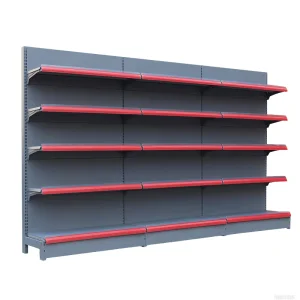
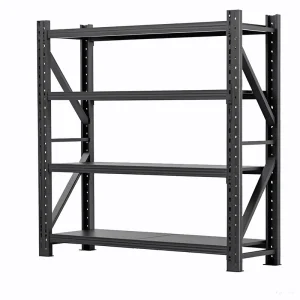
Explore our high-yield steel racks, pallet systems, and display configurations designed for diverse commercial spaces.
 Fangjiu Shelf