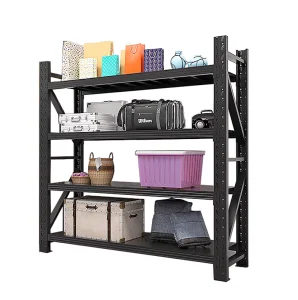
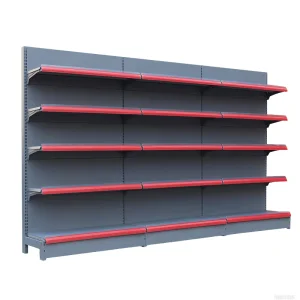
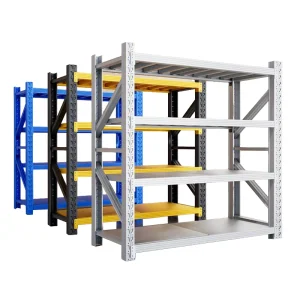
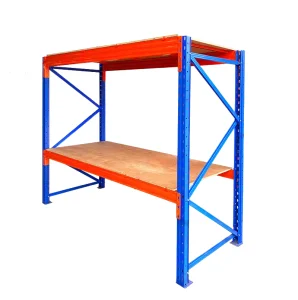
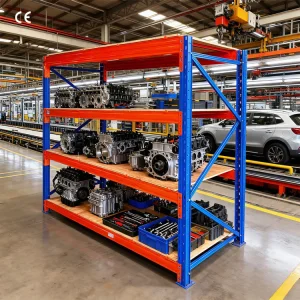
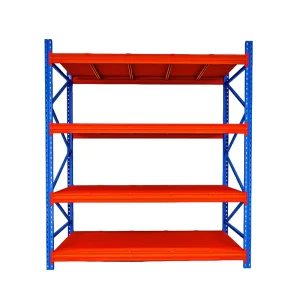
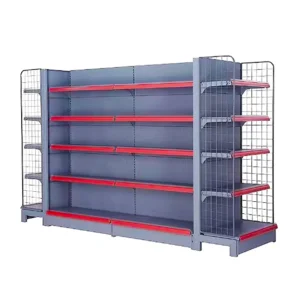
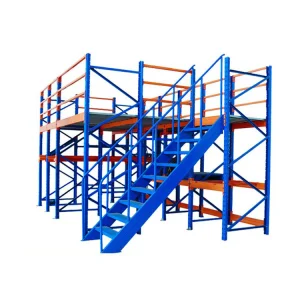
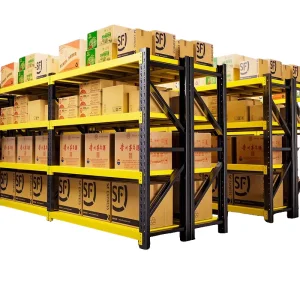
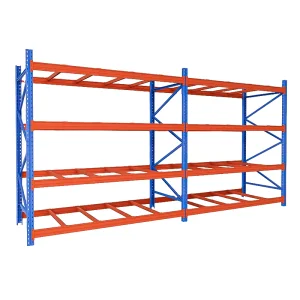
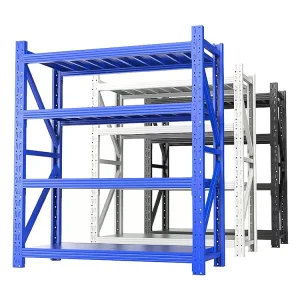
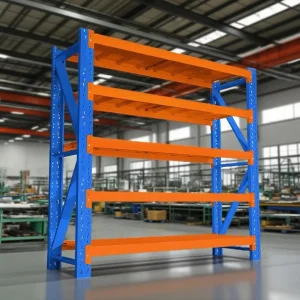
CE Certified Steel Platforms Manufacturers & Exporters

High-Capacity Heavy-Duty Warehouse Storage Platforms & Engineered Structural Mezzanine Solutions Designed for Global Supply Chain Optimization

Architectural Engineering of CE Certified Steel Platforms

Strategic Space Optimization and Compliance Framework for Modern Global Logistics and Industrial Operations

In the contemporary landscape of warehousing, commercial storage, and smart industrial complexes, the vertical space represents the frontier of potential growth. Ground-level land availability is shrinking while lease rates continue to skyrocket. This macro-environmental pressure necessitates spatial efficiency solutions that do not compromise on safety, configuration flexibility, or long-term structural durability. Enter CE Certified Steel Platforms—engineered structures designed to turn air volume into active, load-bearing real estate.

As premier manufacturers and global exporters, Guangzhou Fangjiu Shelf Co., Ltd. combines heavy industry precision engineering with rigid international safety compliance. With a production hub of 32,000 square meters and 16 years of domain-specific manufacturing knowledge, we deliver steel platforms and mezzanine floors that function as an extension of the building's core foundation. This whitepaper details the engineering methodologies, compliance parameters, supply chain resilience, and global application maps of CE-certified structural steel systems designed for heavy-duty operational environments.

32,000㎡
Modern Manufacturing Facility
16+ Yrs
Industry Expertise
CE & ISO
Rigorous Certifications
$18M+
Annual Export Turnover
Information Gain Insight: Unlike standard shelving configurations, a dedicated structural steel platform demands strict seismic modeling, deflection analysis (typically capped at L/300 for commercial comfort and dynamic machinery loading), and compliance with European Execution Standard EN 1090. If your provider cannot supply the factory-level CE documentation, the building's operating permits could be compromised.

Global Commercial Reality & Localized Application Scenarios

How distinct regions deploy structural steel platforms to resolve zoning, environmental, and physical footprint bottlenecks.

North American Logistics & E-Commerce
In metropolitan shipping hubs across the USA and Canada, the explosion of rapid home delivery requires massive SKU counts at close proximity. Structural steel platforms create multi-level micro-fulfillment centers directly within existing urban structures, avoiding the need for new, lengthy environmental building approvals. Engineered to meet strict IBC (International Building Code) regulations and local seismic demands.
Western European Compliance Zones
Operating under Eurocode 3 directives and strict EN 1090-1 execution classes, European installations focus heavily on occupational safety and structural lifecycle tracking. Fangjiu's CE certified platforms offer complete material traceability reports, hot-dipped galvanized options for aggressive climates, and integrated fire-protection configurations to secure fast approvals in highly regulated industrial zones.
Southeast Asian High-Humidity Hubs
With manufacturing rapidly decentralizing to tropical and coastal zones, moisture and corrosion are constant threats. Our platforms incorporate advanced electrostatic powder coating techniques and corrosion protection structures. They are utilized by manufacturing and assembly plants throughout Vietnam, Thailand, and Indonesia to elevate assembly lines and electrical control centers safely above ground levels.

Technical Roadmap & Future Outlook

The convergence of IoT instrumentation, modular architecture, and structural engineering.

The next decade of industrial space layout will transition from static structures to dynamic, smart assets. In our engineering roadmap, we highlight three core technology pivots that Guangzhou Fangjiu Shelf Co., Ltd. is leading:

1. IoT Integrated Structural Monitoring (Smart Mezzanines)

As heavy machinery and robotic autonomous guided vehicles (AGVs) find their way onto elevated steel platforms, structural frequency, vibration analysis, and live load limits become dynamic challenges. Our forward-looking engineering integrates strain gauges and piezoelectric sensors into primary load-bearing beams. This permits real-time weight reporting, structural health diagnosis, and warnings via building control software before overloading causes deformation or material fatigue.

2. High-Strength Low-Alloy (HSLA) Steel Grades

To reduce the dead weight of the platform structure while simultaneously increasing loading limits (up to 2000kg/m²), we are integrating structural grades such as Q355B and high-performance Q460 steel profiles. By optimizing the design through finite element analysis (FEA) and utilizing high-tensile material, we can reduce steel raw weight by up to 15%, reducing freight carbon footprints and lowering structural loading requirements on existing facility concrete slabs.

3. Full Modular Reconfigurability & Fast Assembly Mechanics

Traditional structural steel requires on-site welding, structural adjustments, and long downtime. Our modular system leverages precise, pre-punched, cold-formed steel components and heavy-duty ASTM-graded bolted connections. In the future, every component will bear unique QR codes matching BIM (Building Information Modeling) programs, enabling local installation crews to execute error-free assembly without requiring hot work permits or specialized welding on-site.

Supply Chain Resilience & Guangzhou Manufacturing Edge

Why manufacturing scale, automated rolling production, and strong trade networks guarantee project success.

In global structural projects, lead times and quality control consistency are critical project bottlenecks. Based in Guangzhou, China, a premier global industrial cluster, Guangzhou Fangjiu Shelf Co., Ltd. operates a 32,000 square meter factory floor. By combining regional logistics hubs, raw steel resources, and an experienced domestic manufacturing supply chain, we secure uninterrupted access to premium materials and optimized container shipping paths.

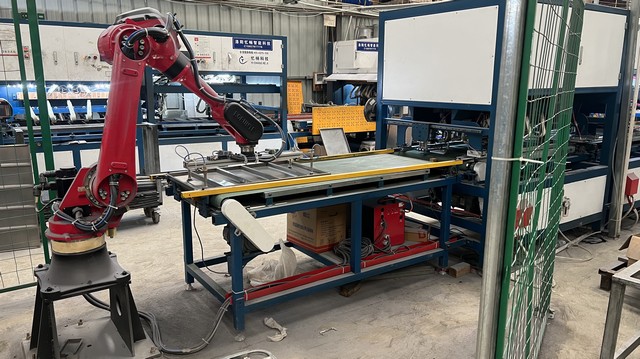
Our quality management is built upon automated processing systems. Relying on 35 dedicated Quality Control inspectors, we run incoming steel coil chemical verification, robotic welding weld penetration diagnostics, structural loading tests, and paint coating thickness tests. With an extensive direct supply network of 850 raw material and tooling partners, we maintain a flexible manufacturing buffer to complete large production volumes without experiencing the raw material shortages common to smaller manufacturers.
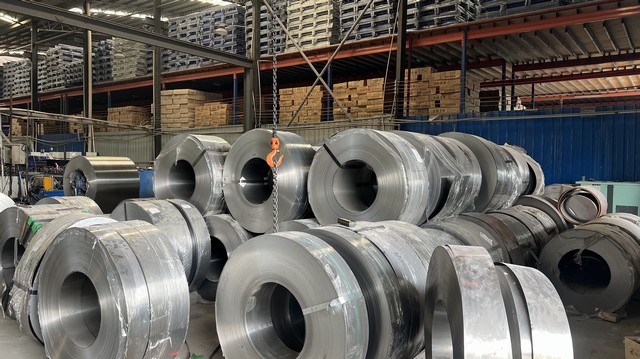
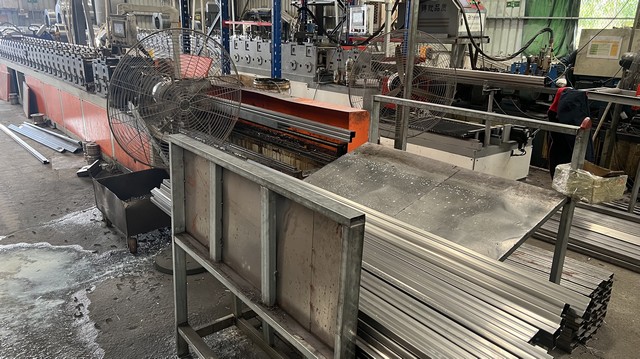
Our Advanced Manufacturing Infrastructure & Verification Flow

Raw Material Preparation
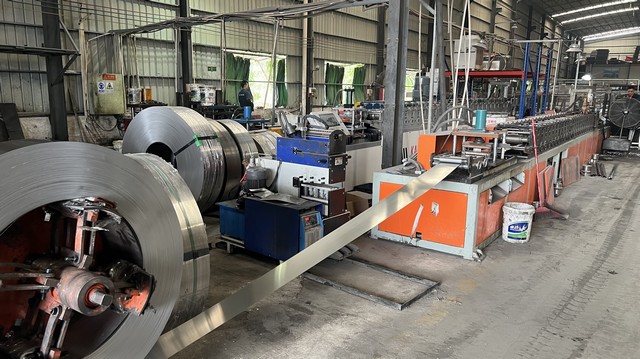
Rolling Process 1
Rolling
Rolling Process 2
Rolling
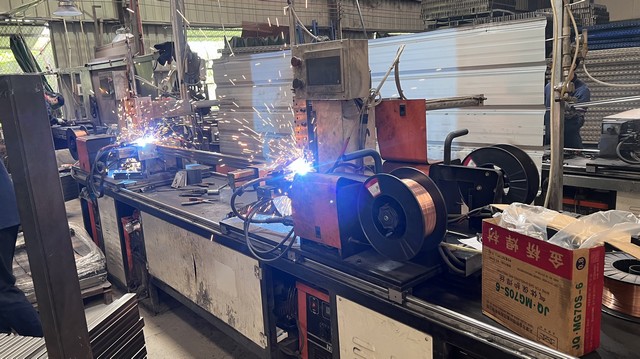
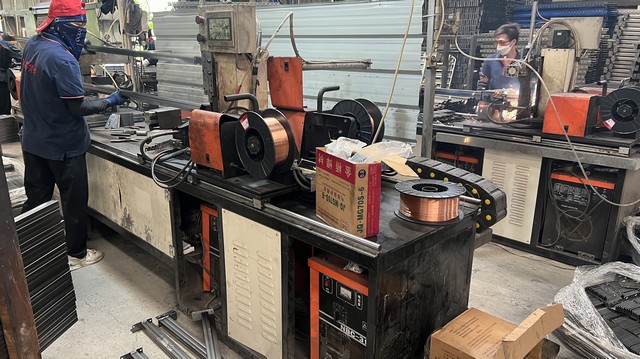
Welding Process
Welding
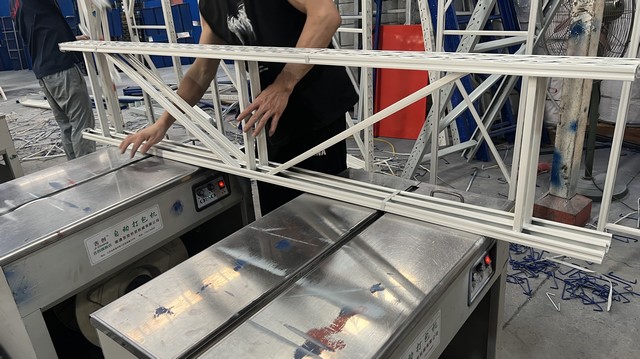
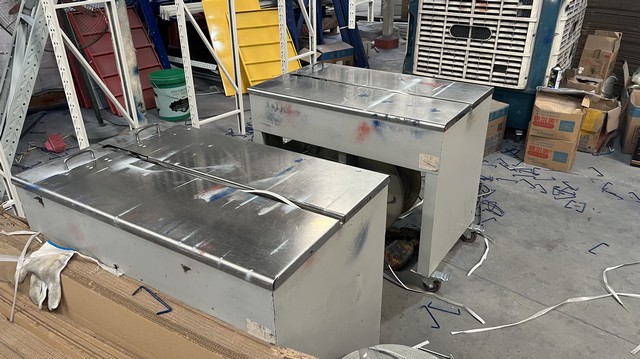
Packing Process
Packing
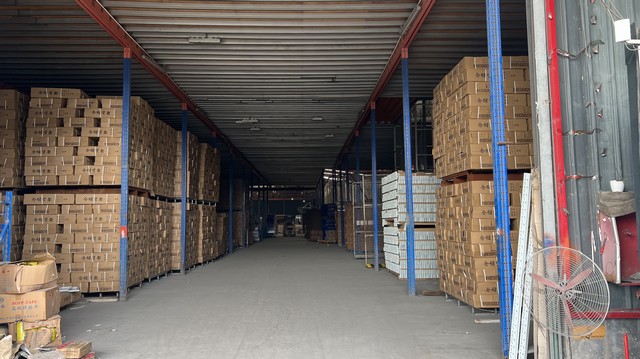
Warehouse Storage
Warehouse
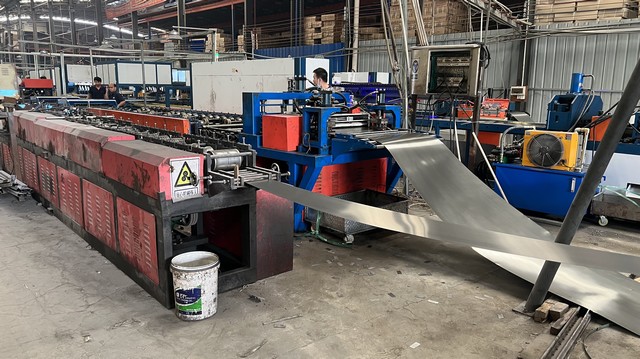
Square Tube Rolling Production Line
Fully Automatic Rolling Production Line
Welding Production Line
Packing Machine
Packing Machine
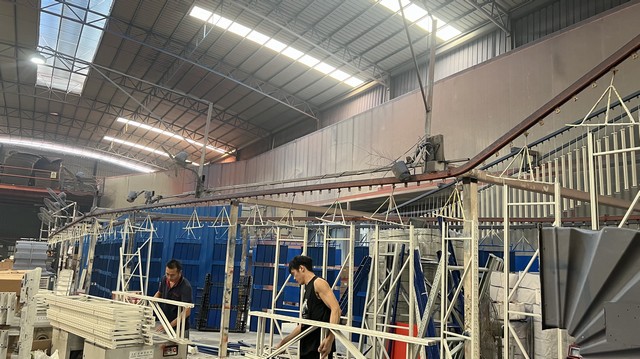
Powder Coating Production Line

Engineering Under CE Certification Standards

Decoding EN 1090 structural integrity requirements and quality-control verification cycles.

For load-bearing steel platform systems destined for international markets, quality is more than an engineering goal—it is a binding legal obligation. Every structural platform component leaving our production bays conforms to European Parliament Regulation No 305/2011 (Construction Products Regulation or CPR) and is stamped with the CE Mark.

Our quality verification processes focus on three major engineering pillars:

  • Structural Steel Traceability (EN 1090-2): Every batch of steel profiles originates from inspected mills. Raw material chemistry (carbon equivalent value, phosphorus, and sulfur content) and mechanical characteristics (yield strength, elongation properties) are checked and matched against certificate standards.
  • Nondestructive Testing (NDT) of Welded Connections: Because structural platforms transfer high dynamic loads to primary upright columns, weld strength is paramount. Fangjiu utilizes robotic MIG welding technology, paired with periodic magnetic particle inspections and ultrasonic weld tests to identify internal voids or lack of fusion.
  • Deflection Control under Variable Loadings: Using FEA modeling, we optimize platform deflection values (according to Eurocode 3 - EN 1993). In layouts supporting intense warehouse activities, static deflection is capped at Span/300, and dynamic deflection is optimized to minimize vibrations that can compromise worker safety and AGV system calibration.

Engineering & Logistics Technical FAQ

Answering structural, chemical, and shipping regulatory questions for technical buyers and plant managers.

What calculations are required to ensure local building permit approval for structural steel platforms?
To secure building permits, our engineering team supplies a comprehensive calculations report including dead load, live load, seismic design parameters, wind load (for outdoor integrations), and column base plate reactions. This documentation allows local structural engineers to easily check and verify column point loads against concrete slab capacities.
What is the difference between Q235 and Q355 steel grades, and how do they impact structural design?
Q235 steel has a yield strength of 235 MPa, making it excellent for light to medium-duty racking. Q355 (equivalent to S355 in Europe) offers a higher yield strength of 355 MPa. Using Q355 allows us to use thinner structural profiles to achieve the same load-bearing capacity, reducing weight and shipping costs for heavy-duty platform projects.
How does Guangzhou Fangjiu ensure the durability of powder coatings in corrosive environments?
Our powder coating line uses a multi-stage pretreatment process including pickling, phosphating, and rinsing to strip all mill scale and oils. We apply premium electrostatic powder coatings cured at 180-200°C. Coating thickness is maintained at 60-80 microns, checked by digital gauges to guarantee excellent impact, scratch, and corrosion resistance.
What are the shipping limits for heavy-duty columns and beams in international ocean containers?
Standard 40-foot High Cube (40HC) containers have a maximum internal length of 12.03 meters. All long structural members, like primary mezzanine beams, are designed to fit within 11.8 meters to allow safe loading and unloading. For configurations requiring spans longer than 12 meters, we design heavy bolted splice joints that provide structural integrity equal to continuous beams.
How do you design structural platforms to support automated equipment like AGVs and AMRs?
AGV and AMR platforms require extra stiffness and low surface friction. We calculate dynamic wheel-load pressures, limit deck deflection to L/400 or higher to prevent robotic tipping, and use specialized composite decking surfaces. We also analyze natural vibration frequencies to prevent robotic operational cycles from causing structural resonance.