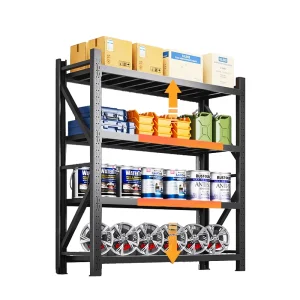
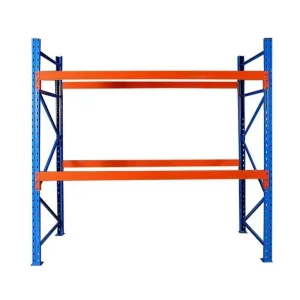
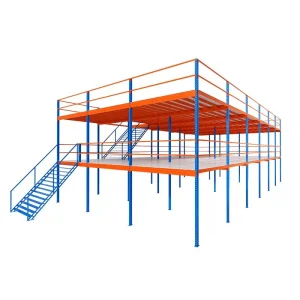
Engineered with high-tensile cold-rolled steel structures to deliver high-density load management and long-term durability across diverse industrial supply chains.
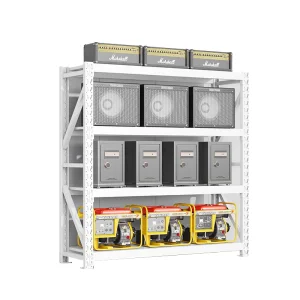
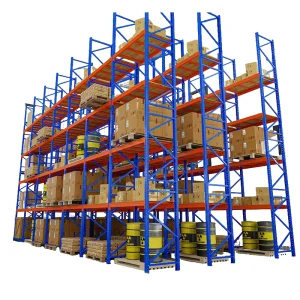
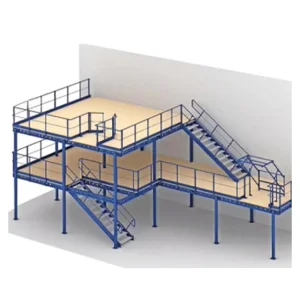
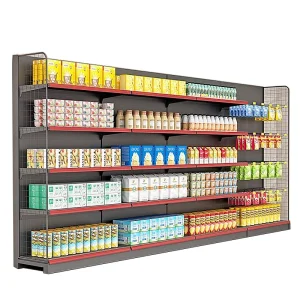
Modern industrial supply chains demand a profound reimagining of warehouse physics. High-Density Drive-In and Drive-Through storage systems represent the architectural apex of LIFO (Last-In, First-Out) and FIFO (First-In, First-Out) material flow coordination. By eliminating conventional structural access aisles, drive-in systems compress the spatial footprint required for warehouse logistics, enabling up to 75% spatial optimization compared to standard selective pallet racking.
These structures are engineered to handle high-volume, low-variety inventories. Utilizing continuous horizontal rails that span the full depth of the rack layout, lift trucks enter the structural bays to load and unload pallets directly onto heavy-duty support brackets. Achieving structural equilibrium in these configurations demands deep mechanical engineering expertise, structural calculations, and high-tensile steel rolling precision.
For operations looking to manage fast-moving consumer goods (FMCG), temperature-controlled cold storage facilities, or bulk chemical warehouses, standard shelving is insufficient. You require structural systems built to tolerate constant loading cycles, dynamic fork-truck impact loads, and the stringent environmental configurations of modern logistics centers.
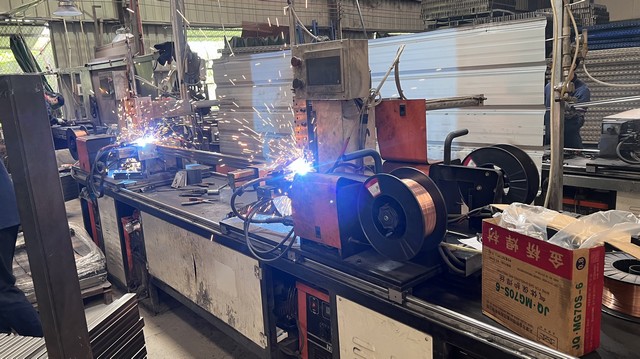
Supported by a rigorous Quality Management System (ISO 9001 and CE certified) and a dedicated team of 35 quality control personnel, every batch produced at Guangzhou Fangjiu Shelf Co., Ltd. undergoes raw material testing, robotic weld checks, load-bearing stress evaluations, and powder-coating thickness audits.
Our extensive integration links us with over 850 reliable supply chain partners. This allows us to support major clients—ranging from multinational logistics hubs to industrial distributors and commercial retail brands—with resilient structural solutions.
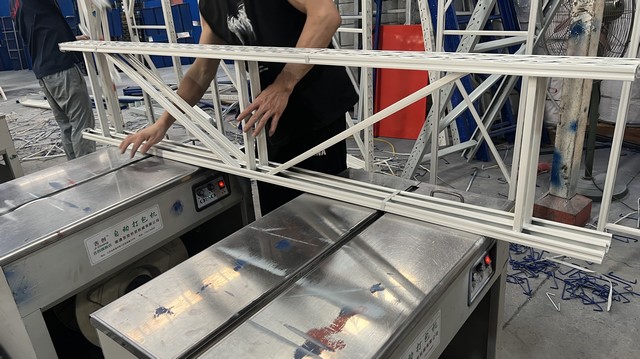
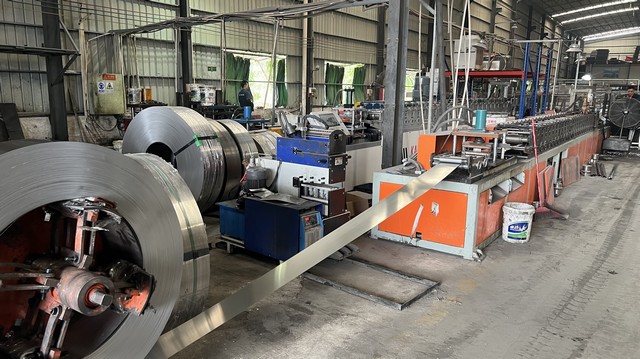
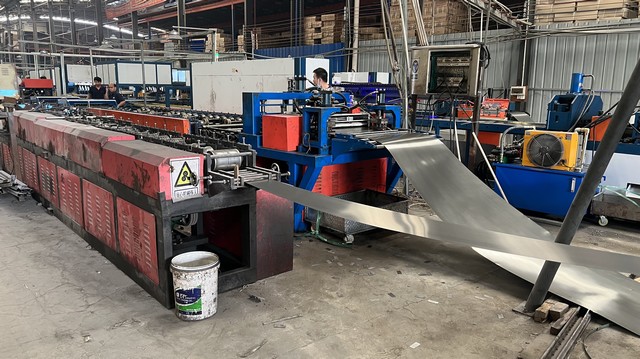
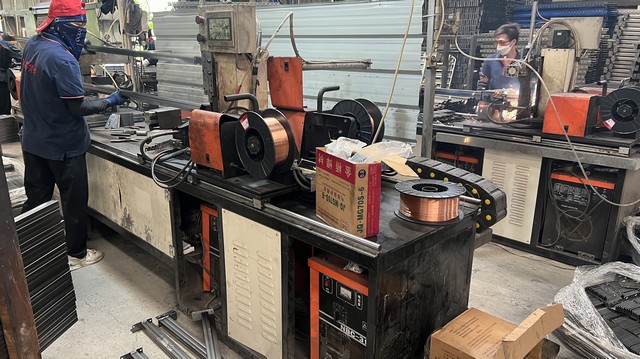
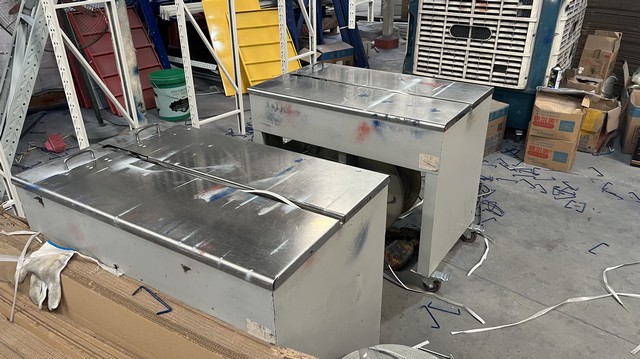
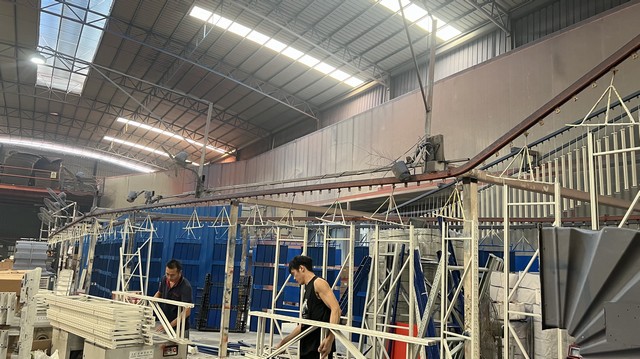
Explore our production sequence, from premium cold-rolled steel processing to robotic welding and automated powder coating.
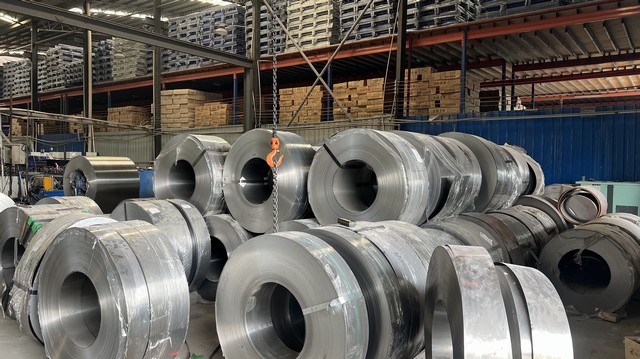
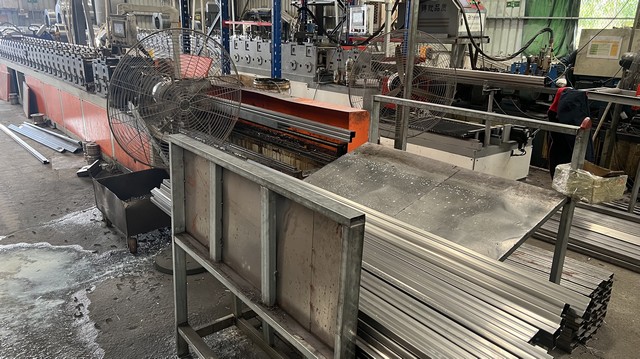
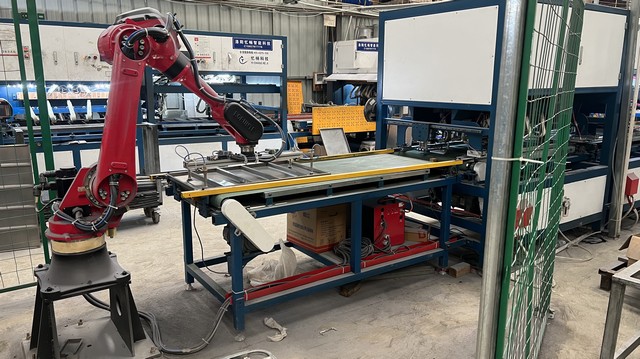
Balancing spatial efficiency, logistical speed, and mechanical safety for multi-market distribution operations.
Cold storage facilities have high energy and operations costs. High-density drive-in racking maximizes storage volume, lowering refrigeration costs per pallet. Q235B cold-rolled steel with low-temperature powder coatings maintains structural integrity down to -30°C.
Drive-in racks lack traditional cross-bracing in access bays, requiring engineered structural reinforcements. Our systems integrate overhead frame bracing, heavy-duty floor anchor guides, and thicker upright columns to resist seismic events and forklift impacts.
Designed for businesses managing non-expiring goods in high volumes. Operating with a LIFO storage logic, the system relies on single-point entry, making it an efficient choice for bulk distribution centers handling uniform SKUs.
| Structural Parameter | Technical Specification Details | Industrial Advantage |
|---|---|---|
| Steel Grade Selection | Q235B / Q355 Cold-Rolled high-tensile steel, conforming to EN 10025 standards. | High yield point (235-355 MPa) prevent structural deformation under heavy static loads. |
| Load Carrying Capacity | Up to 1,500 kg per pallet position (customizable for heavy payloads). | Supports high-density manufacturing parts and bulk agricultural products. |
| Corrosion Treatment | Electrostatic powder coating (thickness 80-120μm) or Hot-dip Galvanized finish. | Resists corrosion from atmospheric moisture, light chemicals, and sub-zero temperatures. |
| Safety Protections | Ground-level guide rails, structural column protectors, and overhead portal bracing. | Reduces forklift collision risk and protects structural columns from damage. |
| System Dimensions | Upright heights up to 12 meters; lane depths up to 10 pallets. | Designed to utilize vertical overhead space in modern logistics centers. |
Industrial storage is a critical safety component of warehouse infrastructure. Unforeseen structural failures can lead to inventory losses and operational downtime. As an exporter, Guangzhou Fangjiu Shelf Co., Ltd. ensures all drive-in storage racking adheres to rigorous global structural safety guidelines.
Our engineers use ANSYS and structural calculation software to simulate stress concentrations and calculate load margins. We comply with major international warehouse equipment standards, including the Rack Manufacturers Institute (RMI) specification in North America and FEM 10.2.02 regulations in Western Europe.
By using precise cold-formed structural sections, our racking designs resist torsional buckling, maintaining structural integrity under dynamic loading cycles.
A drive-in system relies on several core load-bearing components. Understanding these parts is essential for long-term safety and maintenance.
Features 90mm to 120mm wide structural columns roll-formed with multiple reinforcing ribs. This design provides high vertical load capacity and helps prevent twisting.
Constructed from thick sheet steel, these arms attach to the uprights to provide stable support for the pallet guide rails.
Cold-rolled horizontal support profiles that receive the pallet base. Designed to prevent misalignment and ensure smooth pallet sliding during loading.
Diagonal steel support members bolted to the overhead structures. They stabilize the racking system and control lateral movement.
How high-density storage configurations are evolving with semi-automated material handling and IoT technologies.
To minimize forklift collision risks, drive-in frames are increasingly upgraded with autonomous radio shuttles. The forklift places the shuttle on the rail, which transports pallets deep into the lane. This setup combines the high density of drive-in racking with the safety of remote pallet handling.
Modern smart warehouses use stress-testing sensors on support rails to monitor real-time strain. If weight distribution changes or structural deformation occurs, the system alerts warehouse management to inspect the rack, preventing potential load-bearing incidents.
Advanced coatings help protect steel racking in challenging warehouse environments. Options like antimicrobial finishes for food distribution and self-healing polymeric coatings prevent rust and physical abrasion, reducing long-term maintenance costs.
Answers to common structural design, logistics safety, and global export shipping questions.
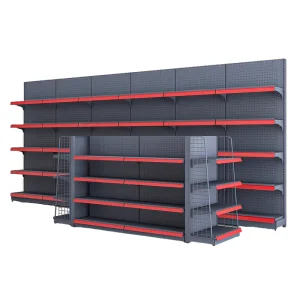
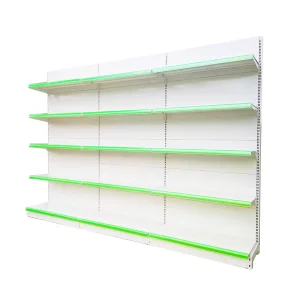
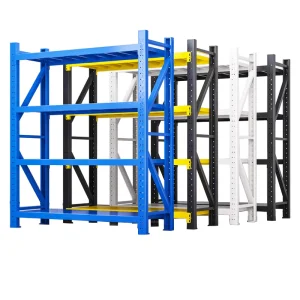
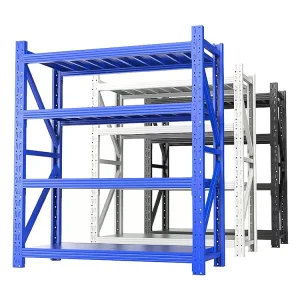
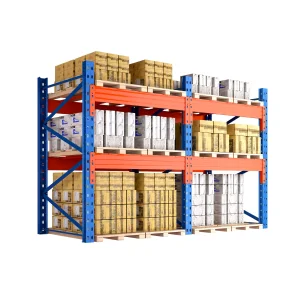
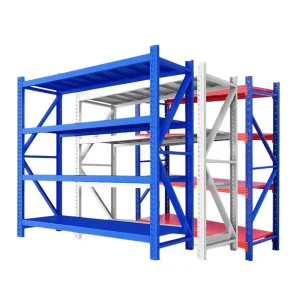
Explore our range of heavy-duty industrial storage racks and retail shelving systems designed for warehouses, shops, and supermarkets.
 Fangjiu Shelf