Explore our premium grade steel-configured gondolas and heavy-duty load-bearing structural storage solutions engineered for precision logistics and retail optimization.
A macroeconomic analysis of structural storage engineering, optimization metrics, and strategic layout design.
In the contemporary landscape of multi-channel commerce, physical storage systems serve as the critical infrastructure connecting micro-fulfillment centers, industrial depots, and high-throughput retail stores. Gondola shelves, widely recognized for their structural versatility, have evolved from simple merchandising displays into high-performance engineering assemblies. Globally, the integration of supply chain storage demands that shelving systems support variable SKU density while facilitating frictionless flow rates.
Whether configuring convenience store displays or complex warehouse mezzanine platforms, modern industrial design focuses heavily on steel chemistry, load-deflection profiles, and geometric standardization. High-quality structures are engineered to utilize cold-rolled steel, applying state-of-the-art powder coatings to prevent corrosion and physical fatigue over long lifecycles.
For B2B procurement managers, sourcing shelving systems requires careful alignment with regional safety and load-bearing regulatory profiles. Choosing components constructed with structural reliability guarantees warehouse safety compliance.
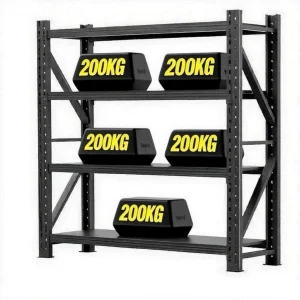
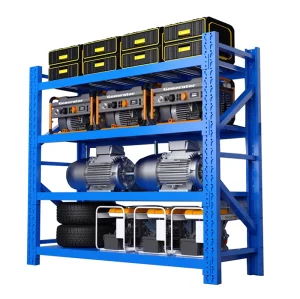
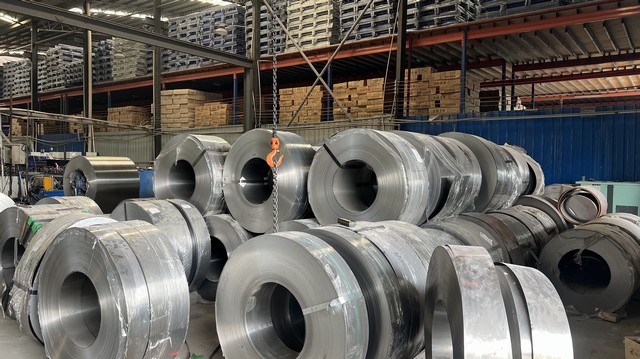
The structural capacity of gondola and warehouse shelving is primarily determined by its underlying metallurgy. High-strength Q235 steel is the gold standard for industrial applications, offering an optimal balance of yield strength and ductility. Unlike cheaper hot-rolled variations, cold-rolled steel maintains tight dimensional tolerances, smooth surface finishes, and enhanced structural rigidity. Combined with multi-layer thermosetting epoxy powder coatings, these systems resist chemical corrosion, moisture damage, and abrasive impact common in fast-moving consumer goods (FMCG) distribution centers and multi-level pallet storage systems.
How technological integration, geographical clustering, and automated production cycles empower Chinese factories.
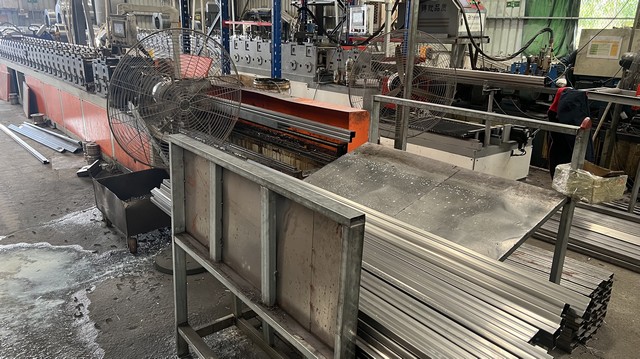
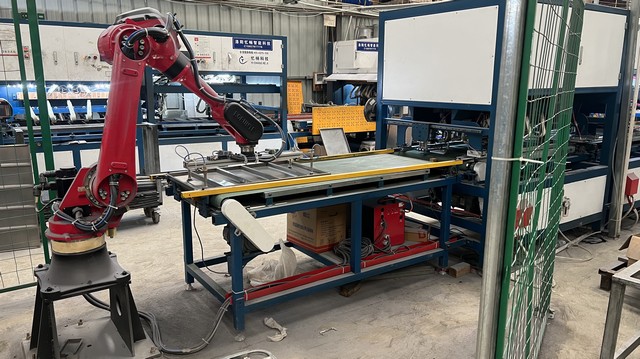
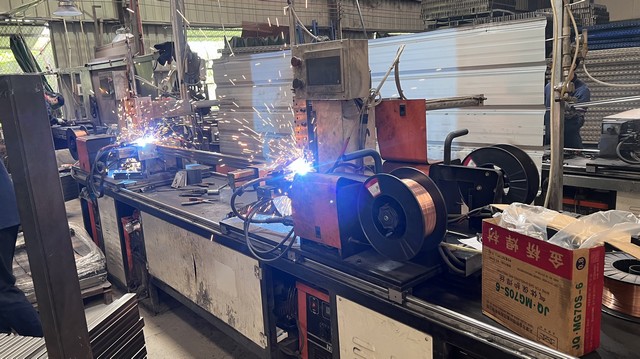
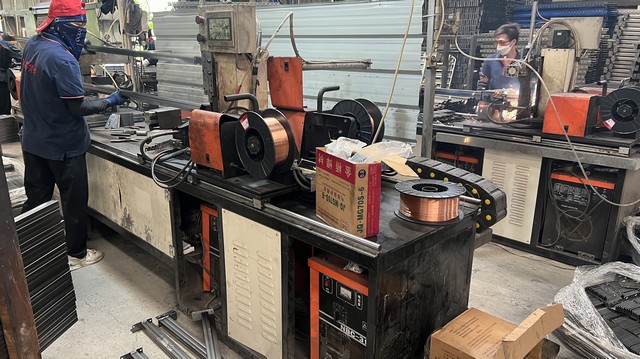
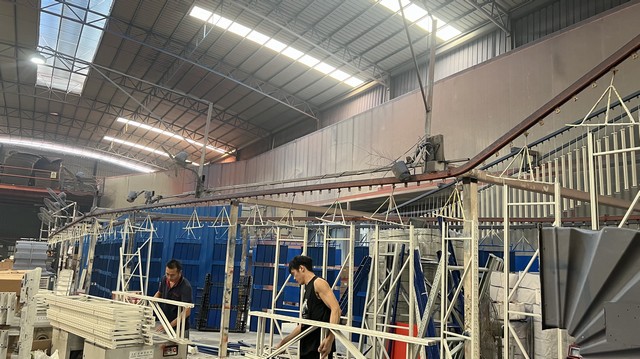
By automating production with robotic welding arms, automated continuous roll-forming lines, and electrostatic powder coating plants, Chinese manufacturing units minimize human error, reduce cycle times, and guarantee geometric consistency across large batches of racking components.
Guangdong province operates as a centralized global hub for steel fabrication. Sourcing raw steel coils, chemical pre-treatments, structural components, and logistics exports within close geographic proximity allows manufacturers to cut waste, reduce transshipment costs, and speed up lead times.
From custom length adjustments, dynamic seismic profile designs, and custom brand color matching to OEM/ODM integrations, China's production systems support tailored options while maintaining competitive volume-based pricing structures.
The efficiency of Chinese manufacturing facilities extends beyond labor costs. Modern factories utilize vertical supply chain integration, allowing direct control over raw material grading, sheet metal rolling, and packing configurations. With dedicated engineers handling load-bearing stress calculations and computer-aided finite element analysis (FEA), Chinese suppliers deliver engineered systems that meet or exceed American (RMI) and European (FEM) racking standards, maximizing ROI for global distributors, wholesalers, and retail operators.
Guangzhou Fangjiu Shelf Co., Ltd. — A Trusted Backbone for Global Supply Chain Optimization.
Guangzhou Fangjiu Shelf Co., Ltd. is a premier manufacturer and global provider of heavy-duty warehouse racking and industrial storage systems. Established in 2015, the company operates a modern manufacturing facility spanning 32,000 square meters, serving as a trusted backbone for global supply chain optimization. With 16 years of deep industry expertise and 8 years of dedicated international export experience, Fangjiu Shelf delivers high-caliber storage solutions engineered for durability, safety, and operational efficiency. Driven by strong trade backgrounds and robust commercial capabilities, we generate over $18 million in annual export turnover, exporting high-performance storage products to major markets across North America, Western Europe, and Southeast Asia.
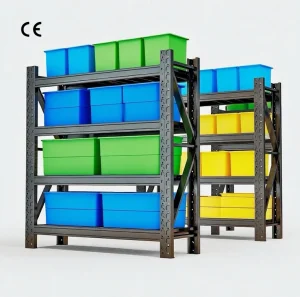
Quality assurance is embedded in every stage of our operations. Supported by a rigorous Quality Management System (ISO 9001, CE certified) and a dedicated team of 35 quality control personnel, every batch undergoes comprehensive raw material testing, robotic weld inspection, load-bearing stress tests, and powder-coating thickness audits. Our extensive industry integration connects us with over 850 reliable supply chain partners, allowing us to supply diverse global clients—ranging from multinational logistics centers and industrial distributors to commercial retail brands. Backed by advanced R&D capabilities, including 18 specialized mechanical and design engineers, we offer full OEM/ODM custom options—including custom dimensioning, load capacity engineering, color matching, and special seismic structural design. Demonstrating our commitment to continuous innovation, Fangjiu Shelf successfully launched 45 new optimized storage products last year, continuing to set standards for warehouse safety and efficiency worldwide.
Strategic milestones and capabilities engineered to service high-volume commercial and industrial accounts globally.
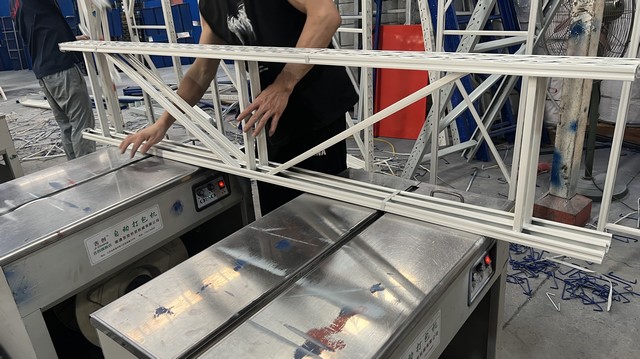
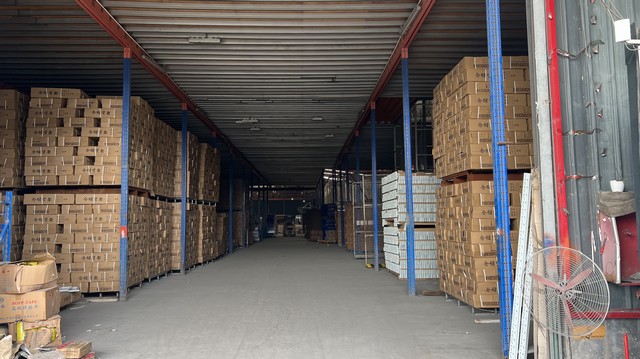
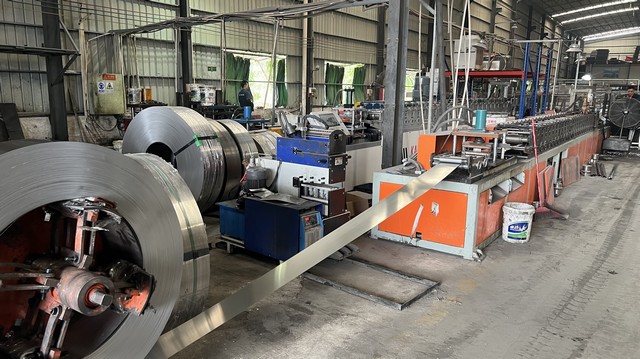
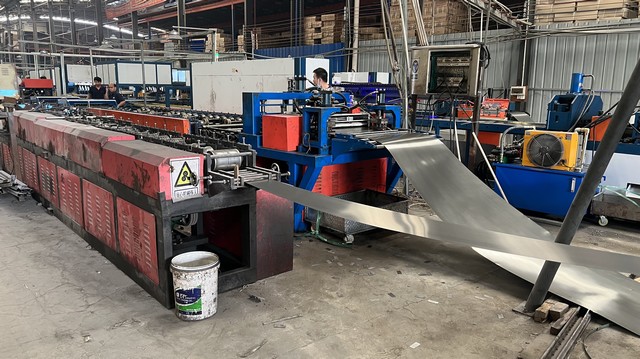
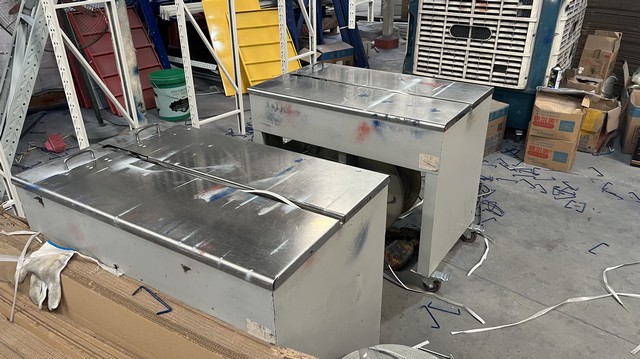
Step-by-step documentation of our structural engineering manufacturing and advanced surface treatment lines.
A comprehensive procurement guide for sourcing high-performance racking and display shelves.
Sourcing commercial gondolas or heavy industrial warehouse racks from global manufacturers requires deep evaluation metrics beyond price-per-unit. A systematic purchasing audit ensures structural safety, long-term performance, and cost-efficiency. Key factors include:
| Critical Parameter | Required Engineering Specification | Verification Methodology |
|---|---|---|
| Metallurgical Standard | Premium Q235 or Q355 structural steel grades. | Mill Test Certificates (MTC) matching EN 10204 3.1 standards. |
| Load-Bearing Validation | Minimum 1.5x structural safety factor under maximum static loads. | Finite Element Analysis (FEA) reports and real-world destructive testing. |
| Surface Coating Integrity | Epoxy-polyester powder coating (60-80 micron thickness). | Cross-cut adhesion tests, cross-hatching, and salt-spray corrosion resistance tests. |
| Compliance and Audits | ISO 9001 quality systems, CE declaration, and RMI compliance where required. | Third-party visual weld audits and factory inspection certifications. |
In regions prone to tectonic activity, such as parts of Western Europe, Southeast Asia, and North America, purchasing managers must verify that the racking units are engineered with reinforced baseplates, oversized anchor bolts, and specialized upright frame bracing patterns. In accordance with European Standard EN 15512 and regional building codes, custom engineering plans should calculate regional soil conditions and acceleration coefficients. Sourcing partners like Guangzhou Fangjiu Shelf Co., Ltd., with in-house design capabilities, can adjust beam configurations and thickness tolerances to meet these strict design criteria.
Matching storage systems with operational environments to maximize efficiency and space utilization.
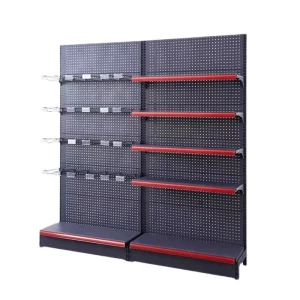
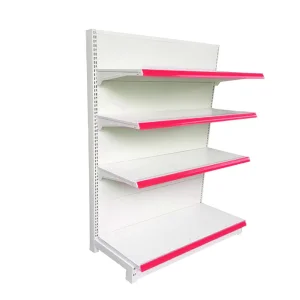
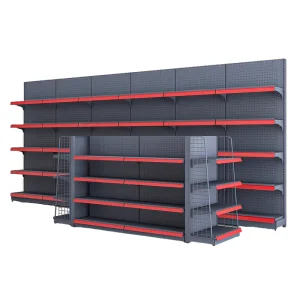
Double-sided gondolas and custom perforated backing board shelves are ideal for optimizing retail layouts. They provide customizable SKU shelf heights, support integrated signage, and maintain visual clarity to drive high customer conversion rates.
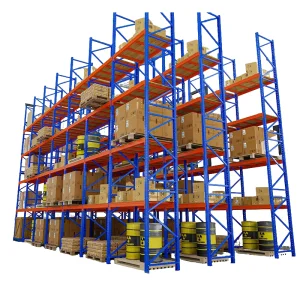
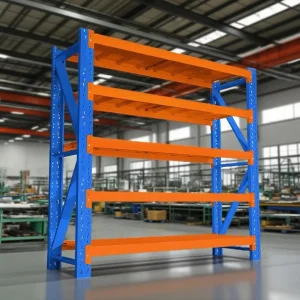
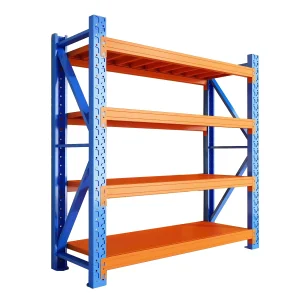
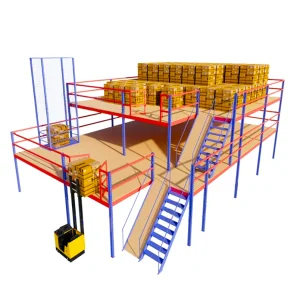
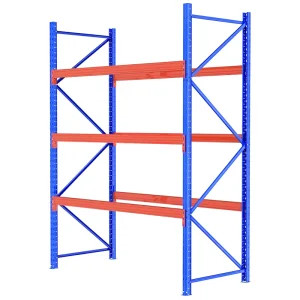
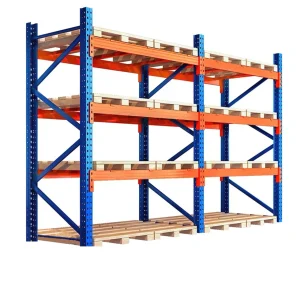
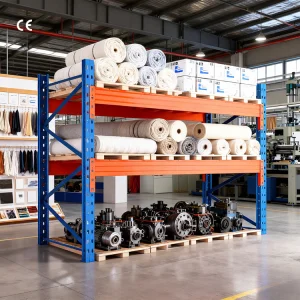
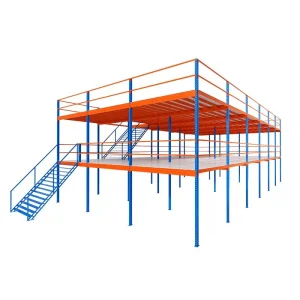
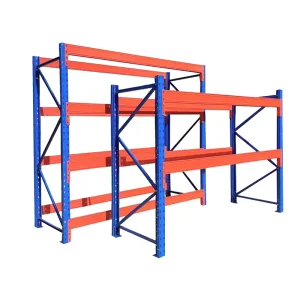
Heavy-duty pallet racking systems and industrial mezzanine platforms are essential for high-throughput fulfillment centers. These setups handle heavy palletized inventory loads (up to 5,000 kg per layer), helping to maximize vertical space and support automated forklift access.
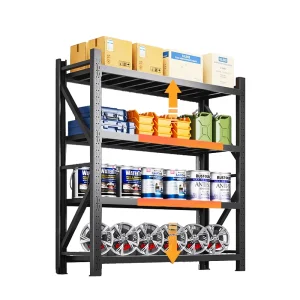
As omni-channel grocery delivery models grow, facilities require hybrid storage systems. Combining heavy-duty lower tiers for heavy inventory with upper display levels supports quick pick-and-pack operations, bridging the gap between retail displays and warehouse distribution.
The warehousing and store fixture industries are undergoing rapid modernization. Key developments include:
• Integration of RFID and Weight Sensors: Automated inventory tracking directly on the shelf deck.
• Eco-Friendly Sourcing: Using low-VOC powder coatings and raw materials sourced from sustainable, energy-efficient steel plants.
• Modular Adaptability: Designing modular storage systems that can be easily reconfigured or expanded, reducing future capital expenditure for growing businesses.
Expert answers addressing load capacities, material choices, logistics options, and safety regulations.
Explore our full range of heavy-duty industrial racking, mezzanine platforms, and adjustable warehouse shelving units.
 Fangjiu Shelf