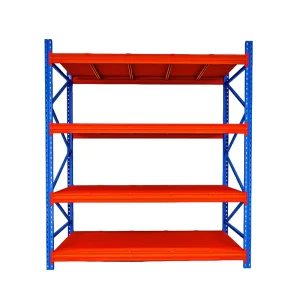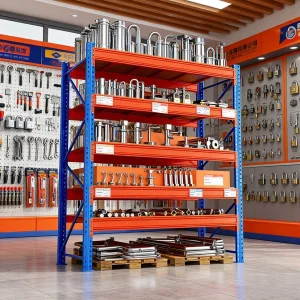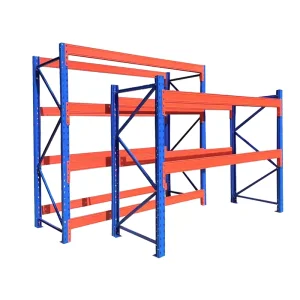
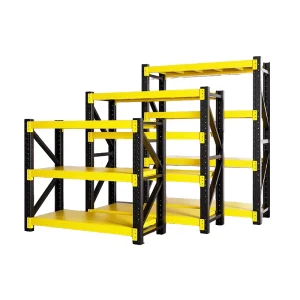
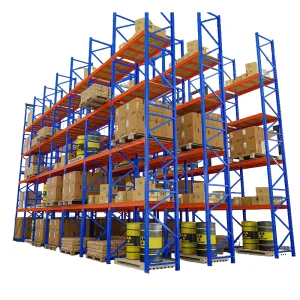
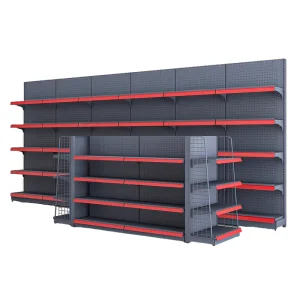
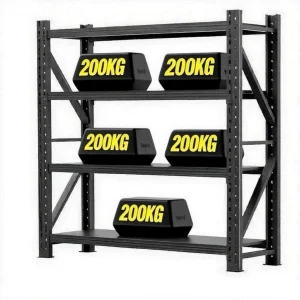
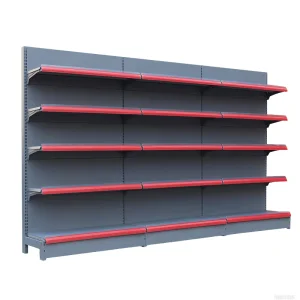
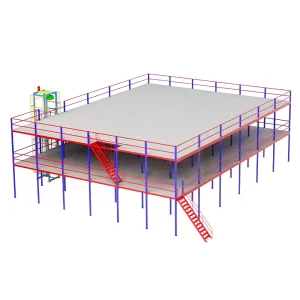
In the modern era of high-velocity logistics, spatial management determines the margin between operational bottleneck and ultimate profitability. Heavy-duty warehousing operations demand structural solutions that can survive high load pressures, environmental dynamics, and seismic vulnerabilities. The global search for high-density configurations has turned engineering attention towards custom OEM stackable containers and steel rack integrations. Far from simple storage compartments, these systems serve as dynamic load-bearing structures that act as the physical baseline of intelligent intra-logistics workflows.
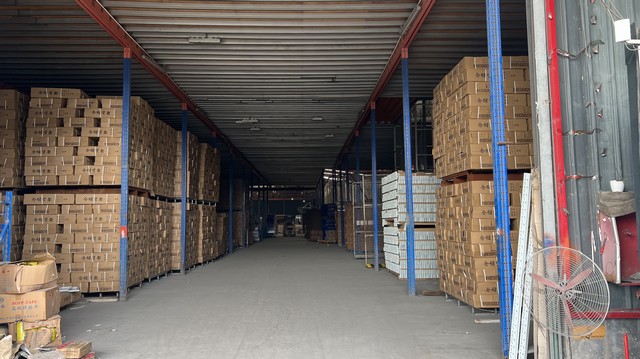
Guangzhou Fangjiu Shelf Co., Ltd. (established in 2015) has positioned itself at the epicenter of this industrial evolution. Operating a state-of-the-art 32,000 square meter manufacturing factory, we deliver highly integrated heavy-duty warehouse racking, industrial shelving, and specialized stackable storage systems. Backed by 16 years of deep-rooted engineering expertise and 8 years of global export compliance, our logistics platforms are engineered for extreme load tolerances, micro-level safety thresholds, and optimal space optimization.
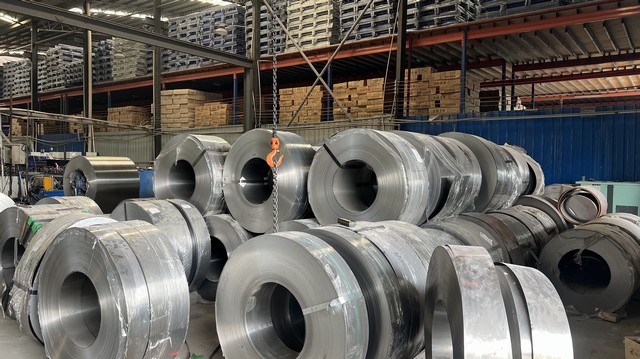
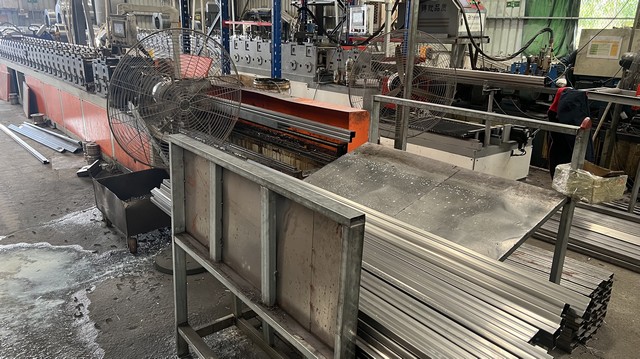
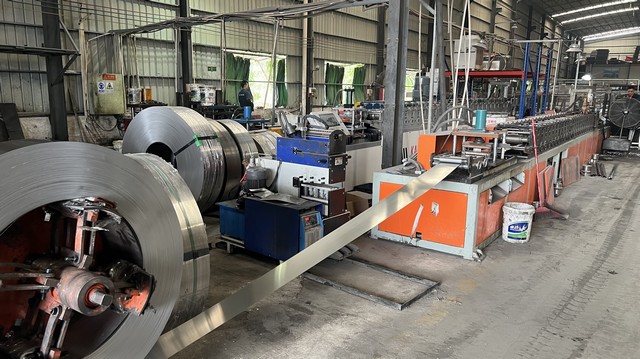
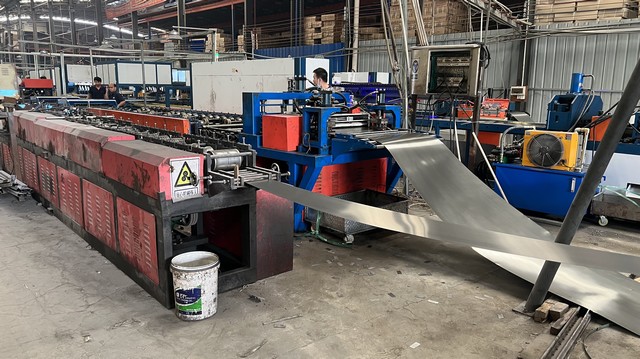
Stackability relies on structural mechanics. Standard structural calculations for stackable logistics racking require high-precision FEA (Finite Element Analysis) to model vertical load configurations, seismic shear stresses, and mechanical fatigue. Fangjiu's development pipeline utilizes high-grade cold-rolled steel (predominantly Q235B and Q355B) processed on fully automated multi-stage rolling mills to guarantee cross-sectional uniformity and load deflection resistance.
Every supply chain has distinct dimensional constraints, load profiles, and materials handling environments. For this reason, off-the-shelf racking solutions often compromise density or safety margins. Customized OEM manufacturing steps in to bridge this gap. At Fangjiu Shelf, custom options incorporate adjustable parameters such as beam profile sizing, interlocking base geometries, localized corrosion protection, and specialized modular seismic structures.
Our engineering team, consisting of 18 highly specialized mechanical and structural design engineers, leverages advanced 3D CAD modeling and load-simulative software to optimize weight-to-strength ratios. Whether configuring standard industrial distribution storage or custom-colored boltless racking systems, our focus remains on minimizing dead load while maximizing safe active payload capacities.
The next decade of industrial storage points to cyber-physical integration. The future of stackable steel racks and storage systems lies in smart tracking, automated materials handling equipment (MHE) integration, and green circular manufacturing processes. Below is the technical roadmap directing Fangjiu Shelf's active R&D pipelines:
| Development Phase | Core Engineering Focus | Technological Objectives | Real-world Supply Chain Impact |
|---|---|---|---|
| Phase 1: Advanced Alloy Integration | Transitioning to high-tensile micro-alloyed steel (e.g., Q460). | Reduce deadweight by 15-20% while maintaining the identical dynamic load rating. | Lower logistics shipping costs and decrease factory floor loading requirements. |
| Phase 2: IoT Sensor Node Embeds | Embedding wireless load-cell sensors and RFID tags into structural base plates. | Provide real-time telemetry on structural fatigue, deflection, and load distribution. | Prevent collapse incidents and enable automated inventory auditing. |
| Phase 3: Circular Coatings | Formulating volatile organic compound (VOC) free bio-based powder coatings. | Match standard epoxy-polyester durability with reduced carbon footprint. | Ensure ESG compliance for European and North American distribution centers. |
By designing racking systems that are ready for Autonomous Mobile Robots (AMRs) and Automated Storage and Retrieval Systems (AS/RS), Fangjiu ensures that current material expenditures translate into long-term infrastructure assets. Last year alone, we introduced 45 new optimized storage structures designed to interface directly with smart warehouse management software (WMS) control architectures.
Custom OEM stackable storage is not a one-size-fits-all discipline. Each industry verticals presents specific operational stress factors:
Standard steel becomes brittle under sub-zero temperatures. Low-temperature storage units must utilize fully killed, fine-grained structural steels characterized by high impact toughness at low temperatures (down to -30°C). Fangjiu's cold-chain racking incorporates specialized hot-dip galvanized or duplex powder-coated surface treatments to prevent condensation rust and chemical degradation.
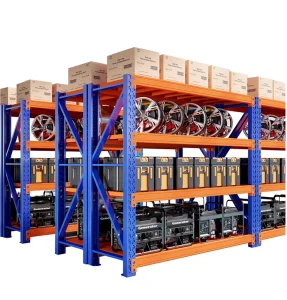
Automotive supply chains require high precision to prevent structural deformation of stamped body panels and engine components. Our customizable racking features contoured cradles, shock-absorbing materials, and specialized lock-pin mechanisms. This ensures that heavy automotive parts remain secure during high-speed transit and multi-tiered staging.
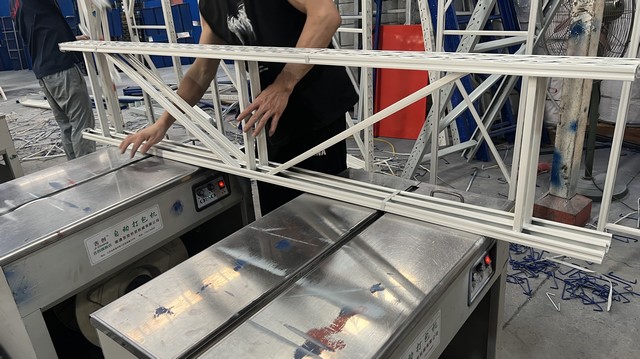
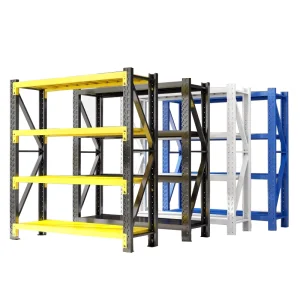
High-turnover SKU profile setups require versatility. Our multi-level butterfly-hole adjustable storage racks and boltless light-duty shelving configurations allow floor managers to quickly reconfigure layouts without specialized tools, maintaining maximum throughput and picking efficiency.
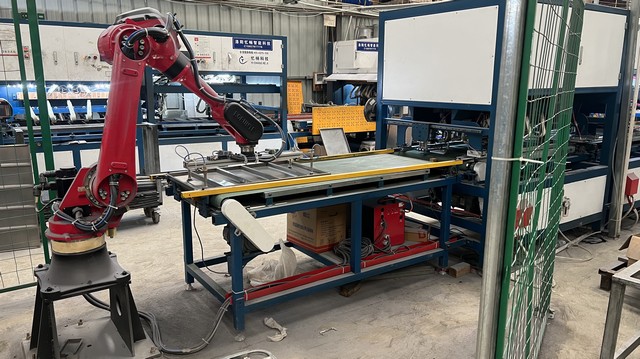
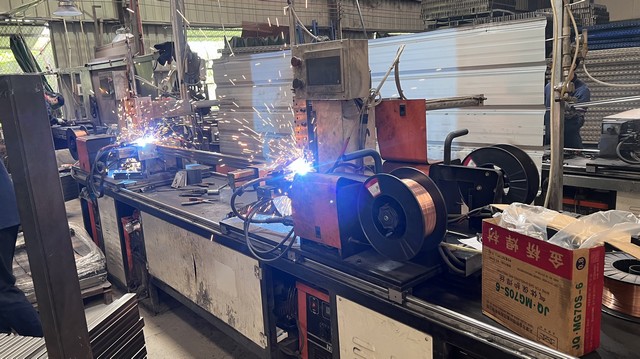
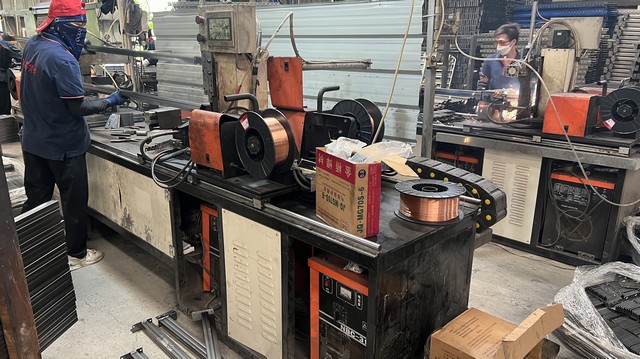
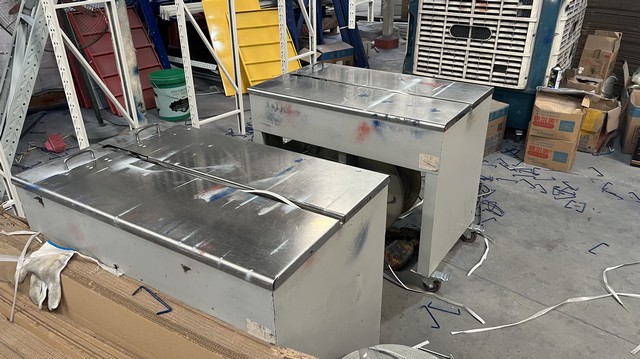
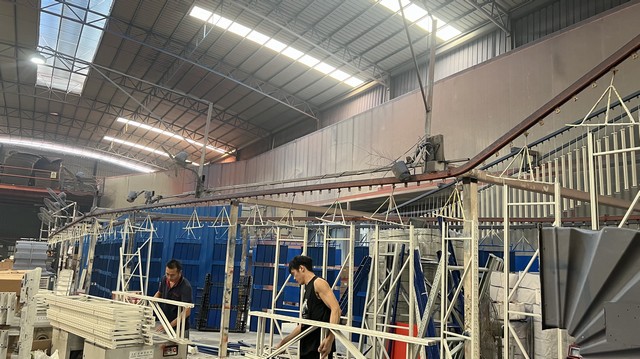
A rack design is only as good as the manufacturing process behind it. Through the implementation of Factory 4.0 principles, Guangzhou Fangjiu Shelf Co., Ltd. has established a highly automated, resilient production cycle. Our 32,000-square-meter facility features automated square tube rolling mills, robotic welding arrays, and high-capacity powder coating lines.
Our supply network links us directly with over 850 raw material suppliers and steel mills. This strategic integration insulates our production schedule from global commodity fluctuations and ensures consistent quality. Backed by an annual export volume exceeding $18 million, Fangjiu balances high volume production capacity with the flexibility needed for highly customized OEM design runs.
Navigating international regulatory frameworks is critical for industrial procurement directors. Structural storage systems must comply with regional standards to guarantee safety and pass facility audits.
Guangzhou Fangjiu Shelf Co., Ltd. builds structural systems in strict accordance with the following codes:
Additionally, our dedicated quality control team of 35 inspectors conducts rigorous raw material chemical testing, ultrasonic weld inspection, paint thickness audits, and destructive test programs to ensure our structures are built for long-term safety.
Industrial buyers must evaluate more than just standard per-unit pricing. A total cost of ownership (TCO) evaluation framework should include:
 Fangjiu Shelf