In modern industrial logistics, the search query "Top 10 Pallet Storage Factories" is no longer just about discovering low-cost steel manufacturers. Instead, it has transitioned into a highly technical search for reliable OEMs capable of producing systems that align with strict global regulatory codes, seismic resilience parameters, and automated warehouse interfaces. As space efficiency demands surge worldwide, companies require storage solutions that optimize floor area ratios while guaranteeing structural safety under high dynamic stresses.
From an engineering perspective, modern pallet systems must be treated as architectural structures. Factors such as vertical deflection limits (often specified as L/325 or L/240 of the beam length), steel elasticity margins, and connection stiffness represent the difference between high-performing logistics networks and catastrophic system failures. Choosing the right pallet rack factory requires cross-analyzing material composition (such as Q235B vs. Q355B cold-rolled steel), manufacturing precision, and quality assurance compliance.
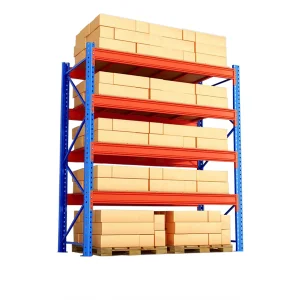
Structural stability under varying static and dynamic loads. High-grade systems must handle up to 3,000kg per bay while maintaining safety factors above 1.5 against structural yield limits.
Specially calculated upright frame layouts and thickened baseplates anchor systems securely in zones with high seismic activities (e.g., matching IBC/ASCE-7 code requirements).
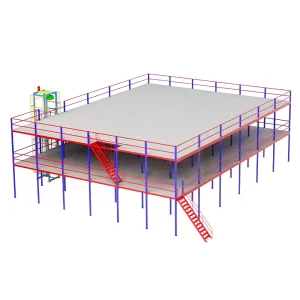
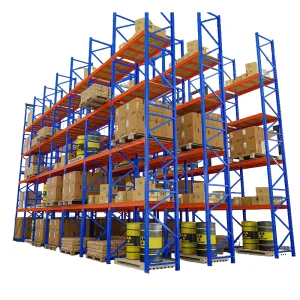
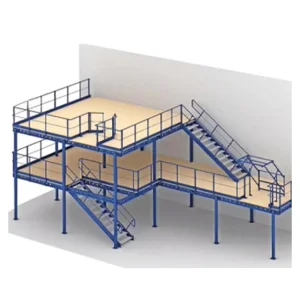
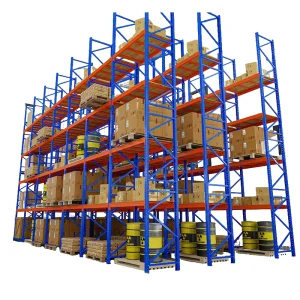
Converting two-dimensional floor space into multi-level high-density environments. This includes Mezzanine systems and Drive-in racking designed to elevate storage density by over 120%.
Guangzhou Fangjiu Shelf Co., Ltd. serves as a concrete example of advanced, high-performance manufacturing in the material handling sector. Established in 2015, the enterprise is backed by a 32,000 square meter factory equipped with automatic roll-forming lines, automated welding robots, and high-efficiency powder-coating systems. With 16 years of industry experience and 8 years of global export history, the enterprise generates an annual export turnover of over $18 million. Their engineering division includes 18 design and mechanical engineers dedicated to structural analysis and customized design parameters.
Quality assurance is maintained through ISO 9001 and CE frameworks, backed by a 35-person quality control department. This team monitors processes from initial raw material selection to final packaging, preventing weak welds, micro-fractures, or surface imperfections before shipment.
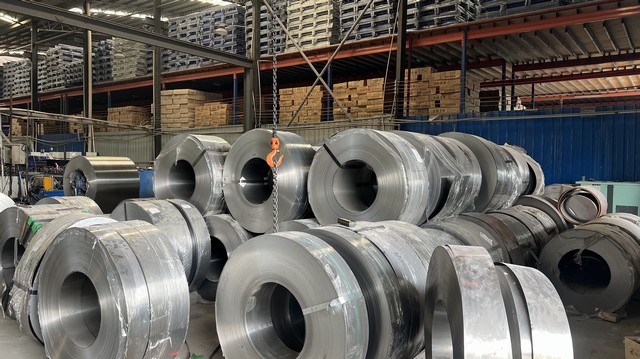
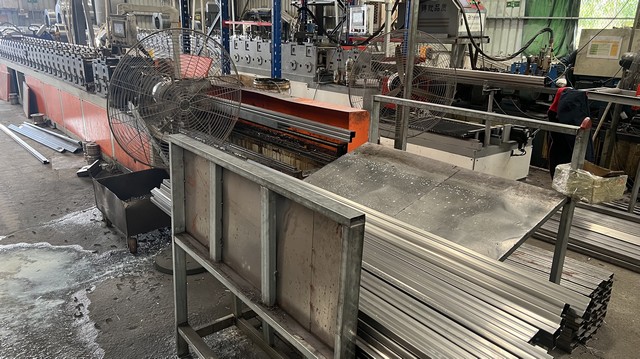
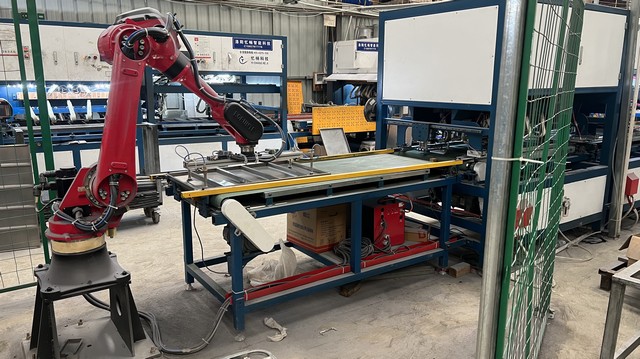
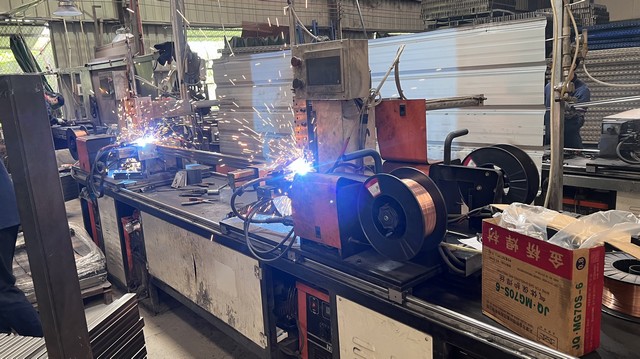
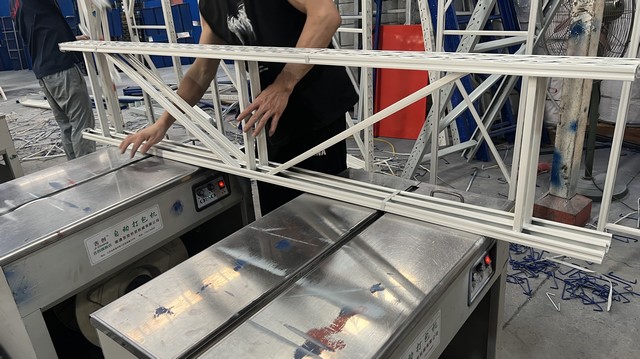
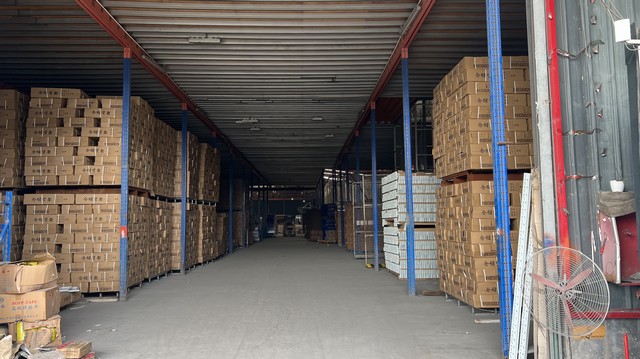
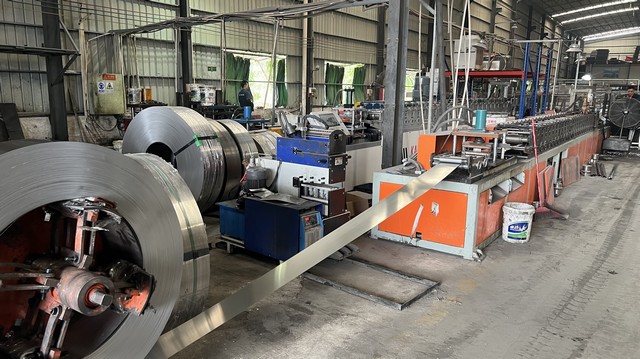
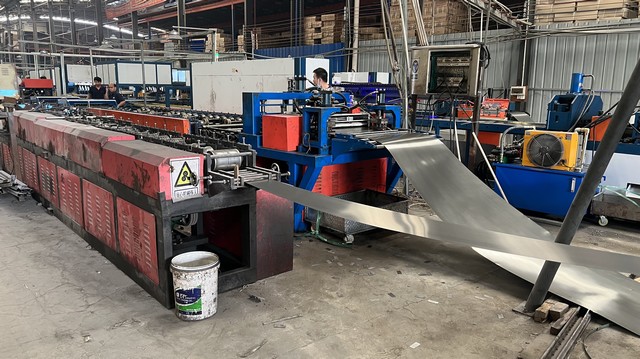
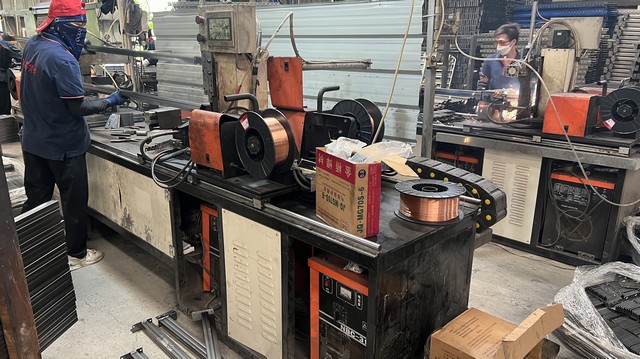
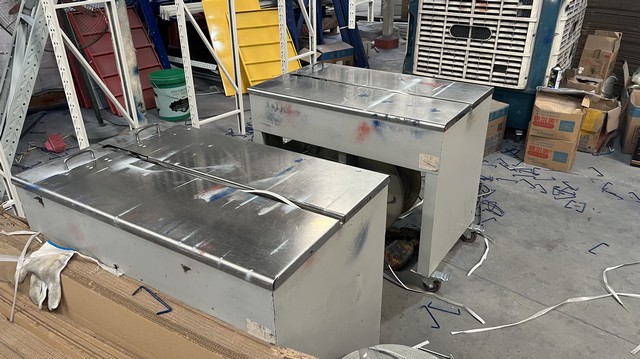
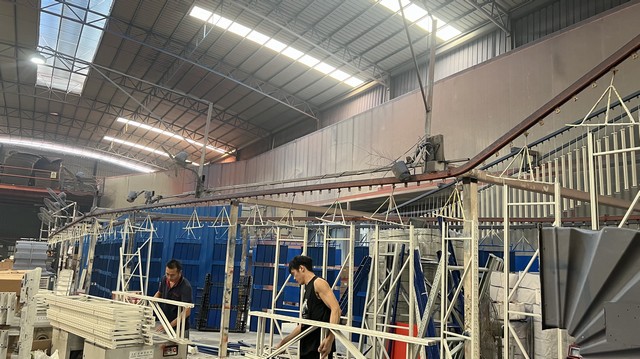
The manufacturing capabilities of Chinese storage rack factories are backed by a strong industrial ecosystem. Key factors that enable Chinese manufacturers to deliver value to global supply chains include:
A key differentiator for top-tier storage system manufacturers is compliance with international safety codes. Racking structures are subjected to complex mechanical stresses, requiring calculated safety factors to protect personnel and inventory. Key certifications and regional codes include:
Conforms to the Rack Manufacturers Institute (RMI) standards for cold-formed steel structural design. This includes strict requirements for upright deflection limits, baseplate anchoring, and impact-resistant column guards.
Specifies structural testing and calculation methods for adjustable pallet racking. It requires precise calculation of beam-to-column connector stiffness, floor flatness tolerances, and frame shear resistance.
Regulates steel storage racking in the Oceanic region. This code sets guidelines for load capacity labels, annual structural inspections, tolerances, and the design of frame bracing systems.
Storage configurations are tailored to meet the operational demands of different industrial environments. Standard setups must adapt to specific environmental conditions, handling equipment, and SKU profiles:
These units require high-corrosion-resistant hot-dip galvanized finishes or specialized low-temperature powder coatings. They must maintain load capacities at temperatures as low as -30°C without risk of brittle fracture.
Optimized for high turnover rates and fast picking paths. Typically integrated with multi-tier mezzanine decks and conveyor routes, requiring precise level layouts and stable floor junctions.
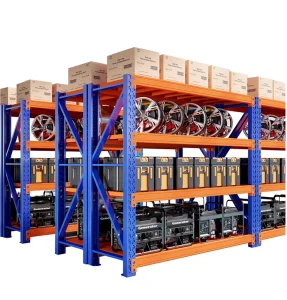
Features ultra-high load capacity per shelf level (exceeding 2,500kg). Uses thick I-beam profiles, box beams, and wire mesh decks to handle heavy, concentrated loads safely.
Modern warehouse design is evolving beyond static structures. The industry is moving toward smart, adaptive configurations that support advanced logistics technologies:
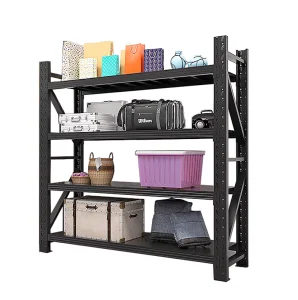
 Fangjiu Shelf