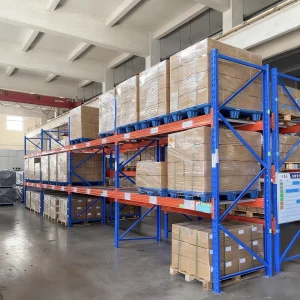
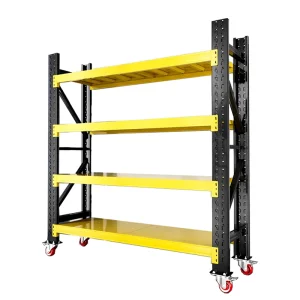
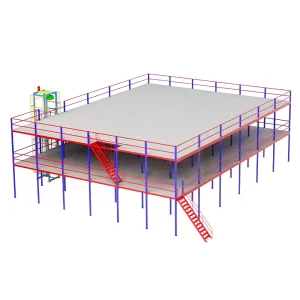
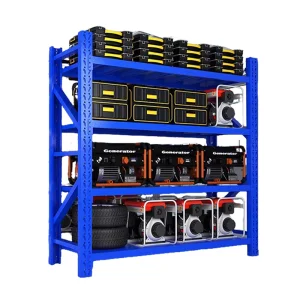
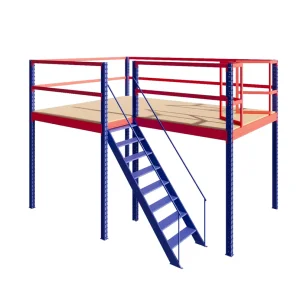
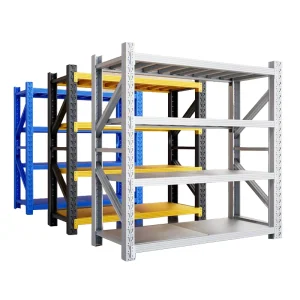
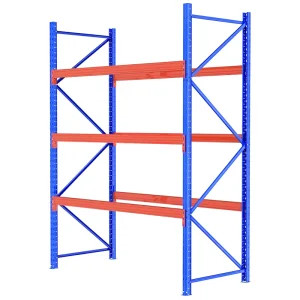
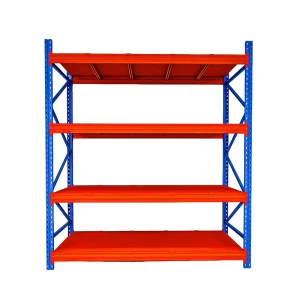
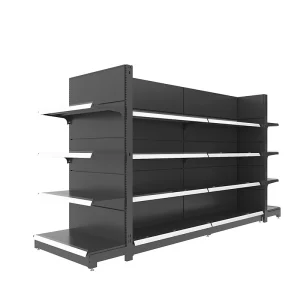
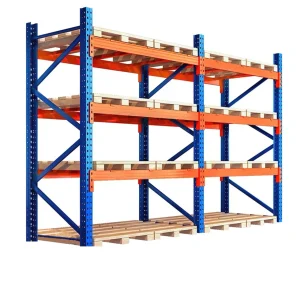
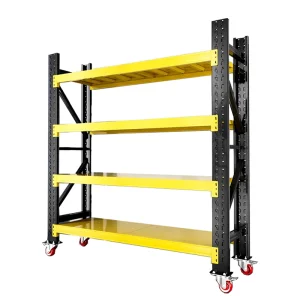
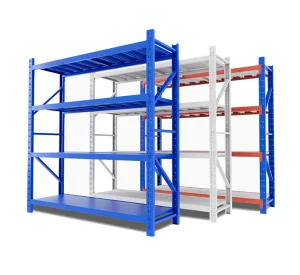
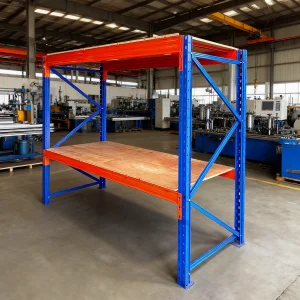
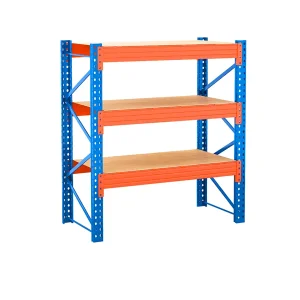
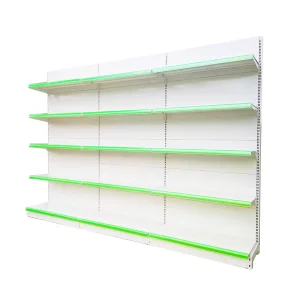
Explore our signature range of heavy-duty warehouse storage and multi-level platform designs. Built using high-tensile cold-rolled steel and treated with state-of-the-art anti-corrosion processes, these structural configurations are ideal for global logistics depots, automotive hubs, and e-commerce distribution centers.
In the modern era of industrial distribution, warehouse footprints are shrinking vertically while logistical volume requirements continue to spike. According to global logistics data, real estate acquisition costs for industrial properties have surged by over 40% worldwide in the last decade. This macroeconomic reality has shifted the engineering focus from floor-level horizontal footprint expansion to high-density vertical engineering.
Utility platforms, mezzanine racking systems, and I-beam structural layouts represent the zenith of this paradigm. By creating rigid secondary and tertiary levels above the warehouse floor, operations managers can double or triple active workspace capacity without investing in site relocation or greenfield development. These platforms do not merely act as shelving units; they serve as dynamic, integrated workspaces capable of carrying forklift loads, modular machinery, and complex automated sorting conveyors.
Founded on a commitment to metallurgical excellence, Guangzhou Fangjiu Shelf Co., Ltd. is a premier global manufacturer specializing in heavy-duty warehouse racking, steel utility platforms, and high-performance industrial storage configurations. Operating from a highly automated, 32,000-square-meter manufacturing facility, we are the foundational backbone for supply chain networks across the globe. By marrying structural engineering innovation with vast logistical capability, we deliver tailored systems that are safe, durable, and optimized for complex storage needs.
Our operation is characterized by robust trade backgrounds, deep commercial capability, and rigorous verification metrics. With an annual export turnover exceeding $18 million, our engineered shelving and mezzanine configurations are deployed in major logistical networks across North America, Western Europe, and Southeast Asia. We understand the specific regional safety benchmarks required by these target zones, designing every utility platform to clear localized compliance standards easily.
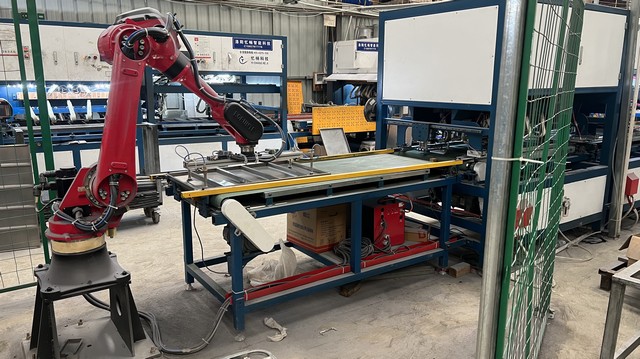
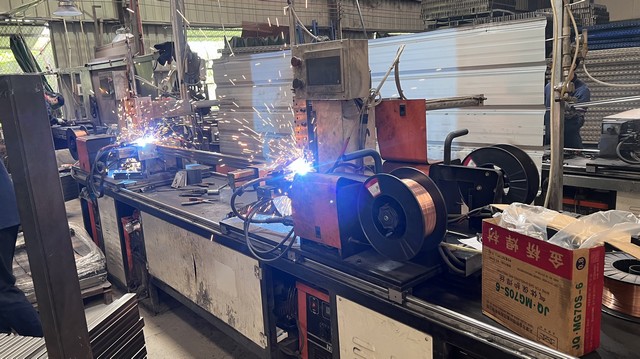
A Culture of Strict Quality Control: To ensure reliable field performance, Guangzhou Fangjiu Shelf implements a meticulous quality assurance framework certified to ISO 9001 and CE protocols. Backed by 35 specialized QC personnel, every manufacturing run is subjected to raw material metallurgical tests, robotic weld penetration testing, stress deflection analyses, and powder-coating thickness audits. Our R&D division, featuring 18 seasoned mechanical and structural engineers, handles bespoke OEM/ODM requests, customizing load thresholds, structural dimensions, dynamic rack integrations, and seismic protection parameters.
To preserve complete transparency and illustrate our advanced mechanical capabilities, our production pipeline is laid out below. This fully integrated process ensures that every beam, upright frame, and steel deck conforms to strict geometric tolerances and tensile ratings.
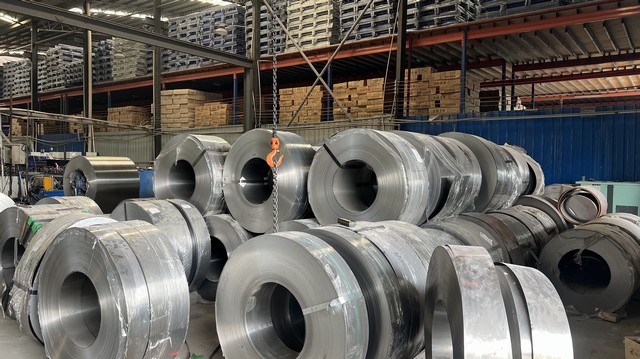
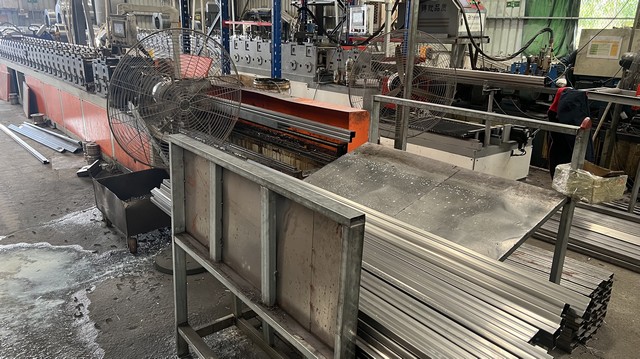
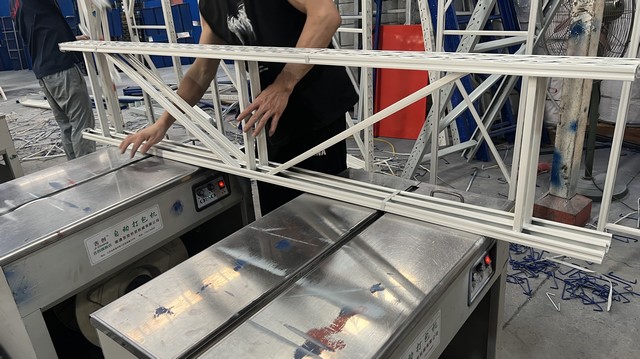
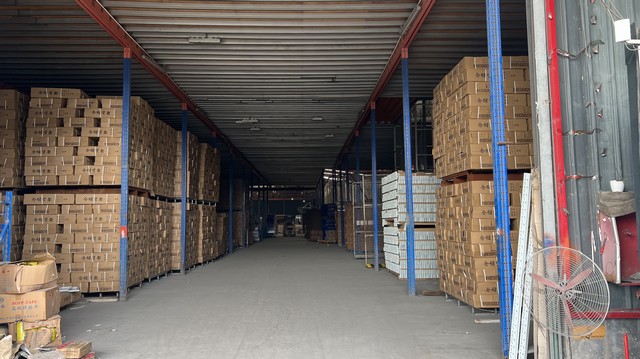
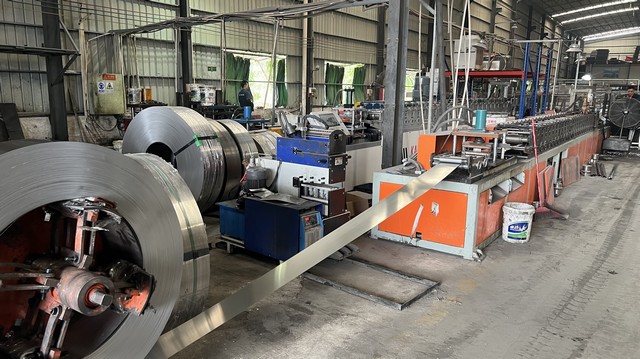
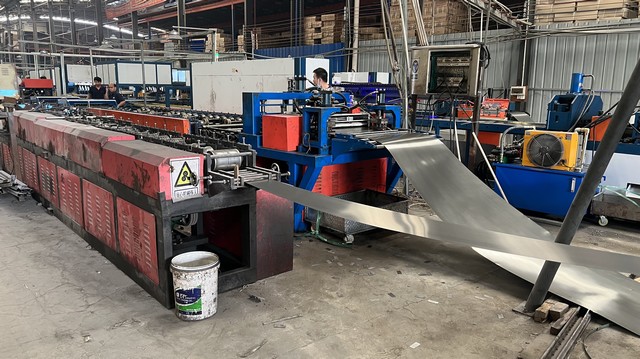
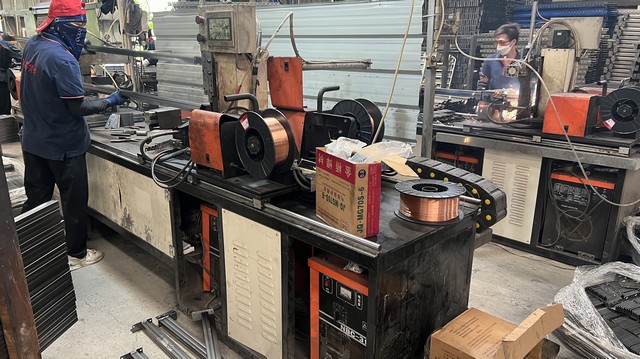
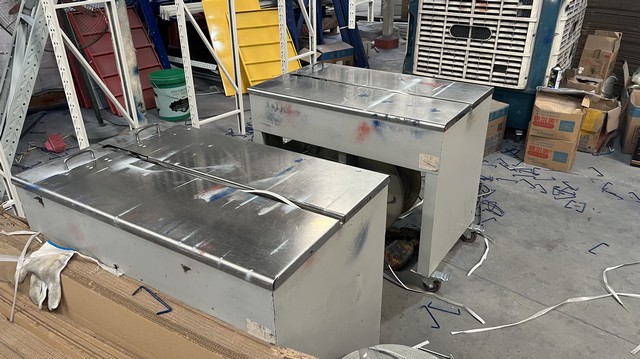
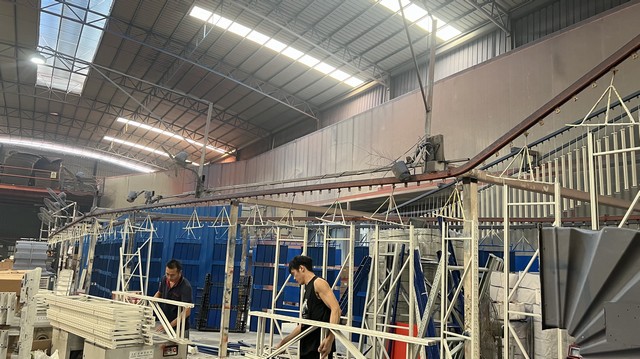
An industrial utility platform is only as safe as its foundation. The mechanical engineering underlying structural platforms utilizes high-strength steel grades such as Q235B and Q355B (standard cold-rolled steel variants with optimal yield and tensile thresholds). These profiles are processed using cold-rolling production lines to maximize structural rigidity while keeping weight ratios optimized for floor slab loading limits.
Our products receive electro-static epoxy powder coating, creating a non-porous polymer layer that protects the raw steel against ambient moisture and chemical exposure, ensuring anti-rust properties for decades.
Columns and beams are designed to handle static limits up to 5000kg/layer. Using Finite Element Analysis (FEA), our engineering team simulates structural stress distributions under peak capacities.
Many systems feature adjustable butterfly connector connections, enabling swift elevation alterations. This design reduces configuration time during warehouse reorganizations.
As the industry moves toward smart logistics, utility platforms are designed with integrated cable conduits, sensor placements, and reinforced structural intersections to support Automated Guided Vehicles (AGVs) and autonomous stackers. Stiffeners are strategically added to high-impact points to absorb the kinetic energy of heavy forklifts during cargo loading.
Selecting the correct type of utility platform or heavy-duty storage racking depends on warehouse size, ceiling clearance, material handling equipment, and the target payload weight. The table below outlines standard industrial system specifications.
| Storage System Type | Optimal Application Scenario | Material Specification | Load Capacity Range | Corrosion Class |
|---|---|---|---|---|
| Structural Steel Mezzanine | Heavy manufacturing, additional machinery platforms | I-Beam Structural Steel (Q355B) | 500 - 1500 kg / sqm | C3 (Industrial Environments) |
| Rack-Supported Utility Platform | High-density fulfillment centers, split-case picking | Cold-Rolled Steel Uprights (Q235B) | 300 - 1000 kg / layer | C2 (Dry Indoor Storage) |
| Heavy-Duty Beam Racking | Palletized freight, heavy bulk items | Thickened Structural Channel Steel | 1000 - 5000 kg / layer | C3 (Powder Coated) |
| Drive-In Pallet Systems | Cold storage (-30°C), batch retail fulfillment | Galvanized / Galvannealed Steel | 1000 - 2500 kg / pallet | C4 (High Humidity/Cold) |
| Light-Duty Shop Display | Retail stockrooms, convenience centers | Sheet Metal & Tubular Steel | 100 - 200 kg / layer | C1 (Indoor Clean Ambient) |
Supply chain infrastructure must satisfy varying regional compliance codes to be legally installed and operated. In the United States, rack systems must comply with the Rack Manufacturers Institute (RMI) specification MH16.1, which dictates safety factors for load limits and impact forces. In Europe, the EN 15512 standard governs structural static design, requiring manufacturers to prove frame capacity through third-party load test reports.
Guangzhou Fangjiu Shelf addresses these parameters by configuring structures with localized engineering details. For seismic zones like California or parts of Japan, our engineers design thickened baseplates and cross-bracing configurations to distribute horizontal dynamic forces during an earthquake. For chemical or maritime installations, hot-dip galvanization provides superior longevity compared to standard powder coatings, allowing materials to withstand salt-fog exposure without structural degradation.
The Tech Horizon (2025-2030): The next phase of structural steel shelving involves integrating smart digital technology. We are currently testing IoT load cells that attach directly to structural beams to monitor real-time deflection. If a shelf is overloaded, an automated notification is sent to the warehouse management dashboard, protecting workers and avoiding structural failures.
Discover our range of modular storage configurations, from store display racks to industrial drive-in racks and versatile butterfly-hole stacking units.
 Fangjiu Shelf