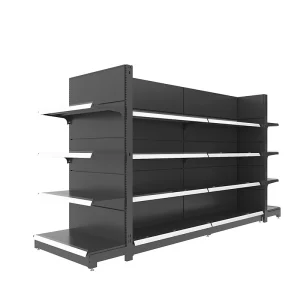
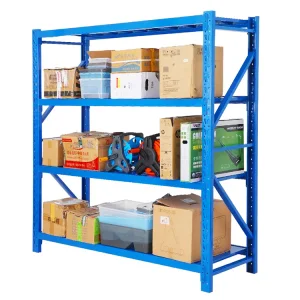
Explore our heavy-duty industrial storage racks designed to endure harsh environments and optimize space efficiency.
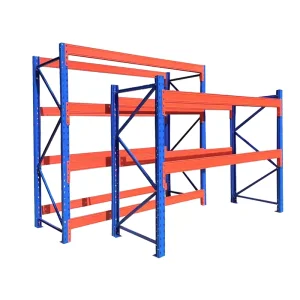
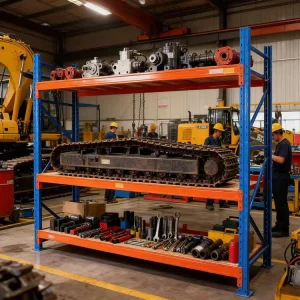
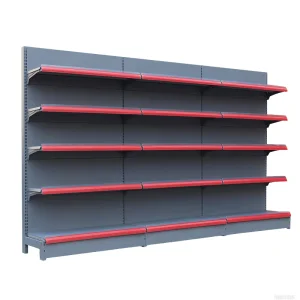
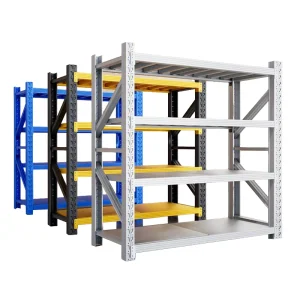
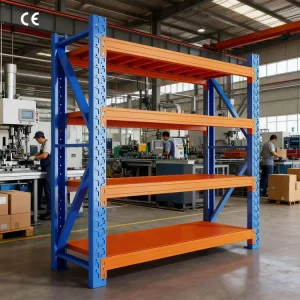
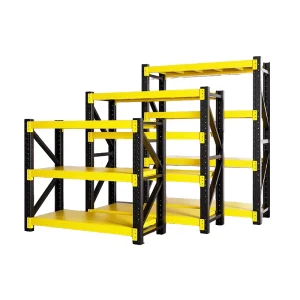
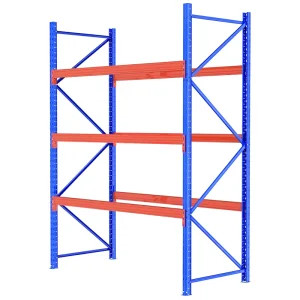
Analysing structural integrity, space optimization, and B2B procurement demands in sub-zero environments.
Designing pallet racking systems for cold storage environments (ranging from 0°C to -30°C) introduces complex engineering challenges that go far beyond standard ambient storage warehouses. The primary concern is low-temperature steel embrittlement. When standard carbon structural steel is subjected to temperatures below freezing, its ductility drops significantly while its brittleness increases, rendering the system vulnerable to catastrophic structural failure under impact.
To mitigate this risk, premium manufacturers utilize high-tensile structural steel alloys (such as Q355B or Q355D) that are formulated and tested to retain their structural impact toughness at sub-zero temperatures. The selection of materials must comply with strict international standards, including the European EN 15512 and the American Rack Manufacturers Institute (RMI) specifications.
Refrigeration is exceptionally energy-intensive. As a result, cold storage facilities must maximize their volumetric efficiency to reduce the cost per cubic meter. Unlike standard ambient distribution centers that utilize selective pallet racking, cold storage operations rely heavily on high-density racking configurations:
| Racking System Type | Space Optimization Level | Access Selectivity | Recommended Temperature Range | Ideal Application Scenario |
|---|---|---|---|---|
| Selective Pallet Racking | Low (approx. 40%) | 100% Selective (FIFO) | Down to -25°C | High-SKU pharmaceutical inventory |
| Drive-In Racking | High (approx. 70%) | Low (LIFO) | Down to -30°C | Bulk frozen meat & single-SKU food |
| Radio Shuttle Systems | Very High (approx. 85%) | Medium (FIFO/LIFO) | Down to -30°C | High-throughput cold chain distribution |
| Mobile Pallet Racks | Extreme (approx. 90%) | 100% Selective | Down to -25°C | Premium frozen seafood & mixed food stocks |
Combining heavy-duty engineering capacity with automated manufacturing efficiency to deliver global solutions.
Established in 2015, Guangzhou Fangjiu Shelf Co., Ltd. has established itself as a premier global manufacturer and designer of heavy-duty warehouse racking systems. Operating from a modern, state-of-the-art facility spanning 32,000 square meters, Fangjiu Shelf serves as the reliable backbone for global supply chain optimization. With over 16 years of deep-rooted industry expertise and 8 years of dedicated international export experience, the company develops storage products engineered for extreme durability, workplace safety, and maximized operational efficiency.
Driven by strong trade backgrounds and robust commercial capabilities, Fangjiu Shelf generates over $18 million in annual export turnover, supplying major markets across North America, Western Europe, and Southeast Asia.
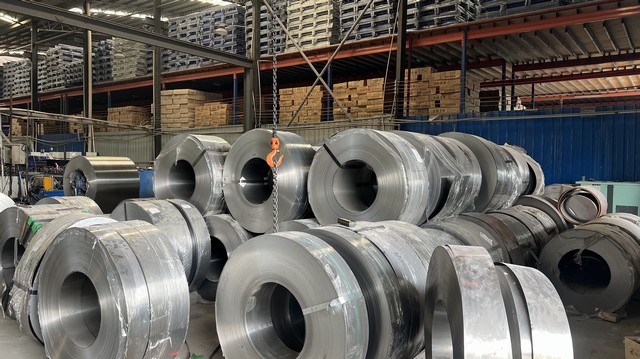
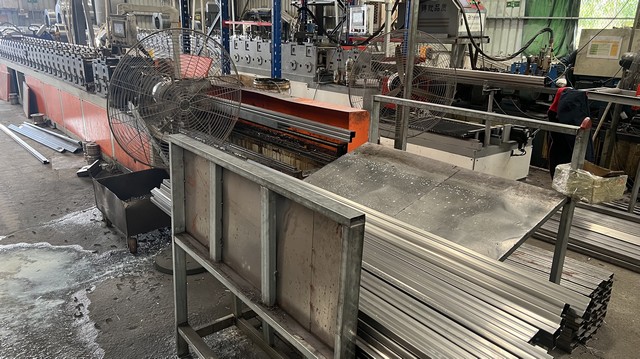
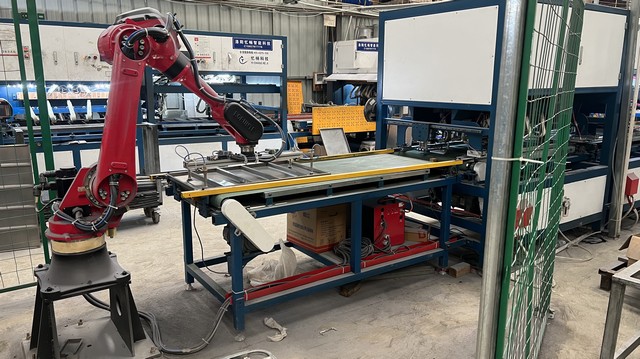
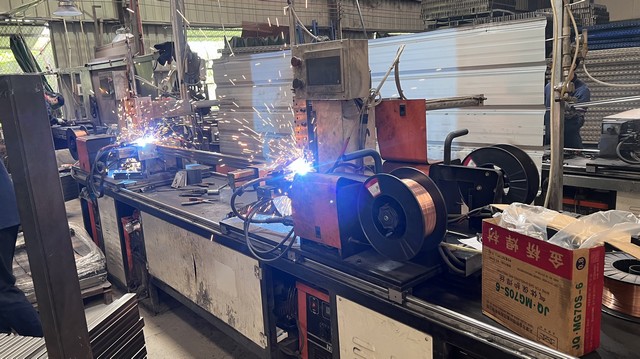
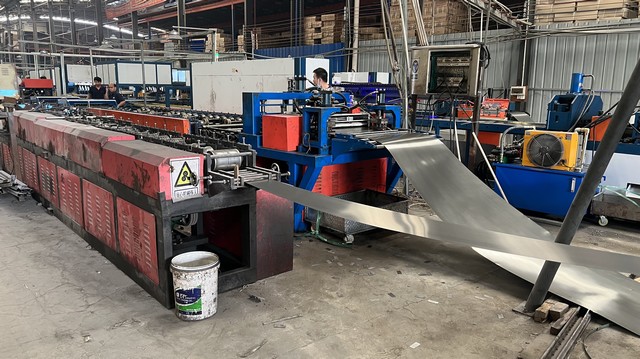
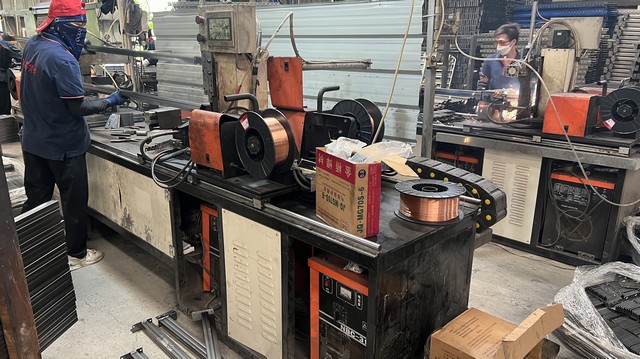
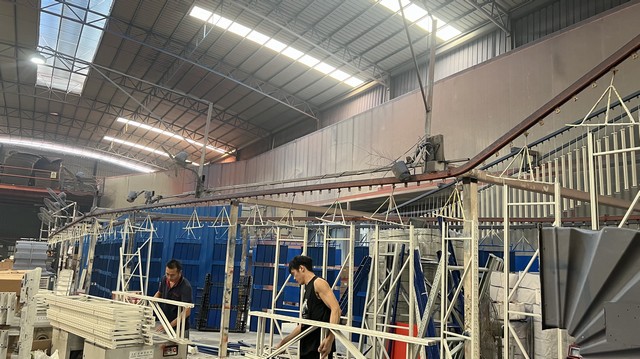
Our comprehensive Quality Management System is ISO 9001 and CE certified. With a dedicated team of 35 quality control personnel, every batch of cold storage racking undergoes rigorous raw material testing, robotic weld inspection, load-bearing stress tests, and powder-coating thickness audits. Our supply chain integration connects us with over 850 reliable partners, ensuring access to premium raw materials even during market fluctuations.
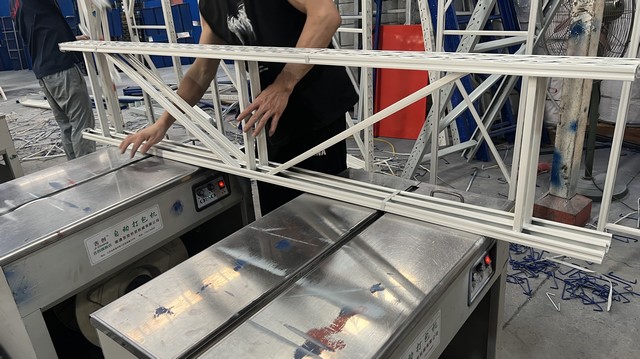
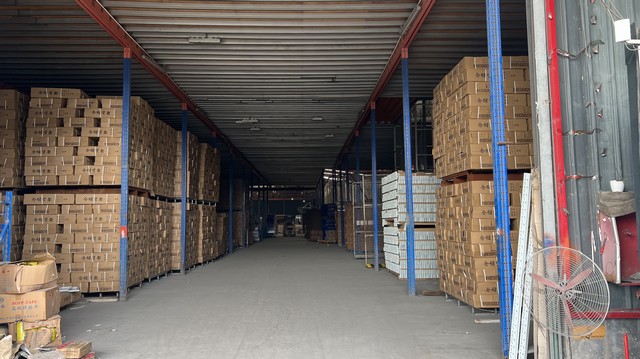
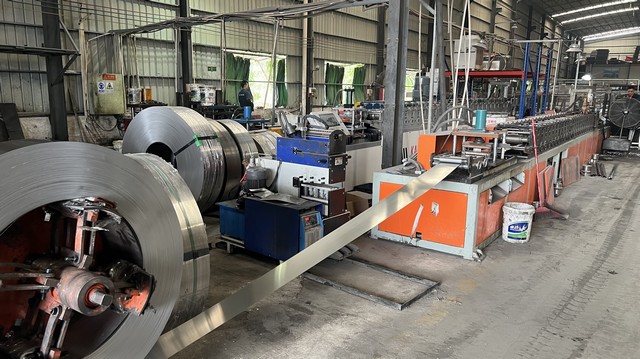
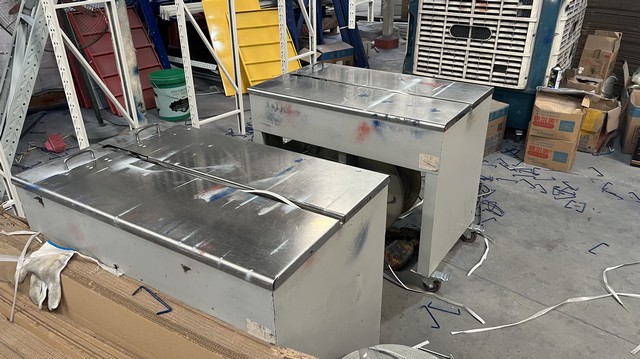
A look inside the Fangjiu Shelf factory: from premium raw material coils to finished industrial racking systems.
Adapting industrial storage infrastructure to diverse geopolitical regulations and environmental requirements.
B2B buyers globally must source storage components that satisfy regional safety protocols. In North America, structural calculations must account for local seismic codes defined by the IBC (International Building Code) and RMI guidelines. These standards often require heavy duty base plates, dynamic dual-anchor bolts, and customized sway bracing to protect against ground movements.
In the European Union, standard EN 15512 governs steel static storage systems, calling for structural testing and certifications (such as the CE mark) to verify load performance.
For Southeast Asian markets, where warehouses are often subjected to high ambient humidity, the primary challenge is the thermal transition zone. Condensation forms on metal surfaces when cold pallets are moved to ambient loading docks. In these scenarios, hot-dip galvanized finishes or specialized marine-grade powder coatings are essential to prevent corrosion and structural degradation.
The cold storage sector is experiencing a rapid technological shift driven by three primary trends:
The integration of AS/RS (Automated Storage and Retrieval Systems) and semi-automated pallet shuttles reduces manual forklift operations in freezing temperatures, significantly improving workplace safety and system reliability.
Freezer facilities are being designed with high-density vertical configurations to minimize heat loss through walls and ceilings, lowering overall HVAC energy consumption.
IoT-enabled sensors are increasingly embedded in structural rack uprights to monitor real-time stress levels, deflection changes, and structural impacts, preventing failures before they occur.
Antibacterial and high-adhesion anti-condensation powder coatings prevent mold growth and surface rust, meeting food-safety standards.
Key parameters for sourcing heavy-duty racking systems from global manufacturers.
Sourcing industrial cold storage racks from overseas factories requires careful evaluation of materials and manufacturing standards. Below is a checklist for procurement directors and supply chain managers:
Expert answers to common technical, structural, and procurement questions regarding sub-zero industrial storage.
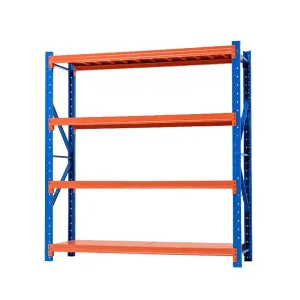
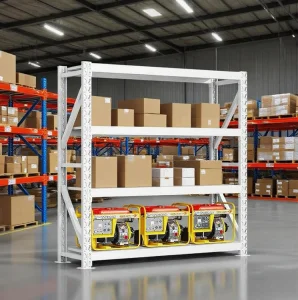
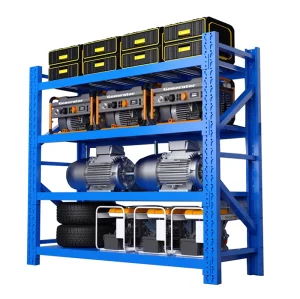
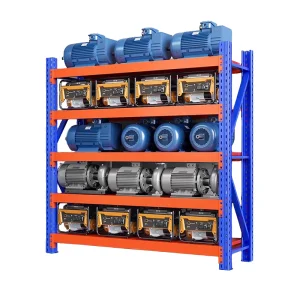
Explore the remainder of our heavy-duty warehouse racking solutions for diverse commercial and logistics needs.
 Fangjiu Shelf