Fangjiu Shelf
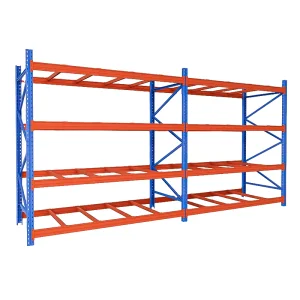
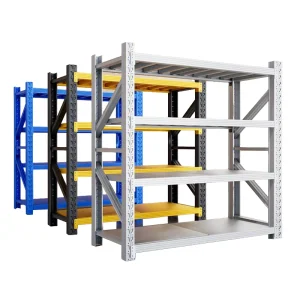
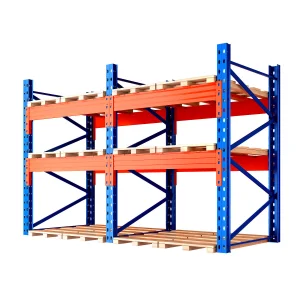
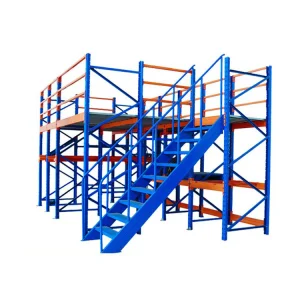
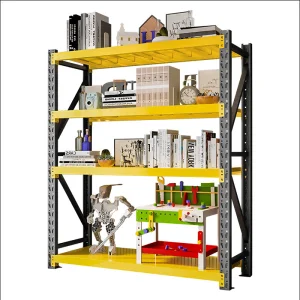
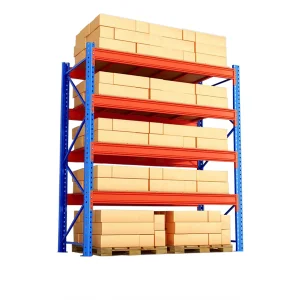
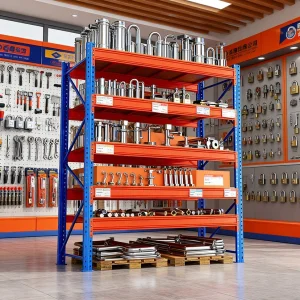
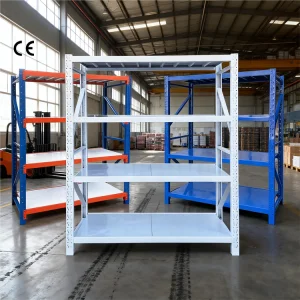
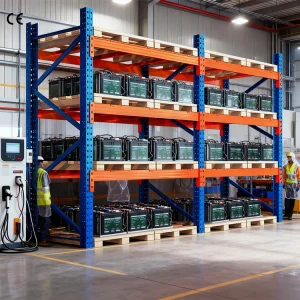
In the contemporary landscape of global logistics, warehousing is no longer merely a physical storage point; it is a critical hub in the fast-paced supply chain ecosystem. Industrial organizations are facing unprecedented real estate costs, shifting consumer demands, and an urgent mandate to optimize operational footprints. The response to these challenges is a strategic pivot from horizontal expansion to vertical maximization through Multi-tier Storage Systems.
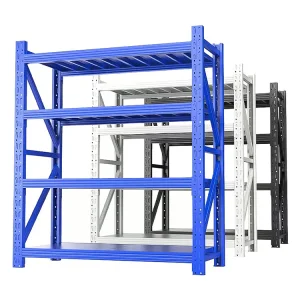
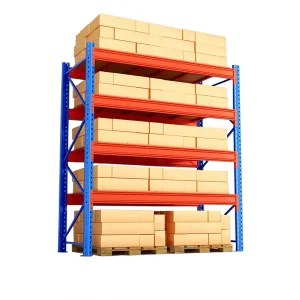
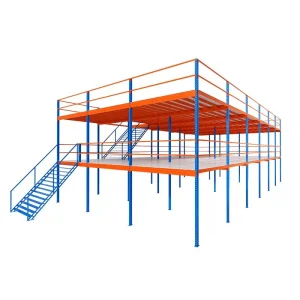
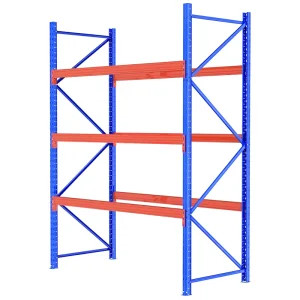
Multi-tier storage structures, including heavy-duty mezzanines, multi-layer pallet racks, and loft shelving systems, allow companies to double or triple their usable floor space without expanding the physical footprint of their buildings. By exploiting overhead cubic space, enterprises can scale operations, integrate complex conveyor systems, and lay the foundation for automated guided vehicles (AGVs) and autonomous mobile robots (AMRs).
Strategic Trends Reshaping the Storage Sector:
- Seismic Engineering & Structural Integrity: Modern industrial storage must adhere to rigorous global building standards. Engineering shelves that withstand structural movement in seismic zones (such as dynamic load calculations and baseplate dissipation systems) is now a core requirement for multinational firms.
- Integration with Automation (Warehouse 4.0): Multi-tier systems are increasingly designed to interface with vertical lifts, automatic sorting tracks, and sophisticated warehouse management software (WMS). Precision manufacturing guarantees that tolerances are tight enough to avoid system downtime for robotic picker units.
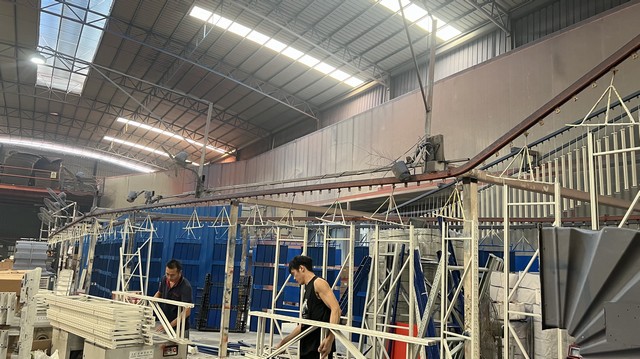
- Corrosion Resistance in Challenging Environments: With the expansion of cold chain logistics and coastal distribution facilities, high-performance powder coating and hot-dip galvanization processes are essential to prevent metal degradation over decades of heavy service.