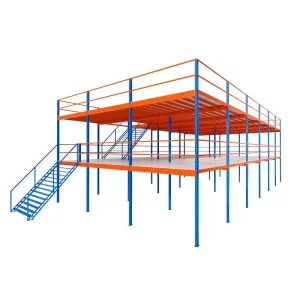
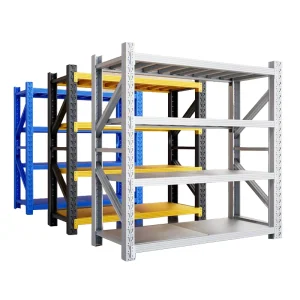
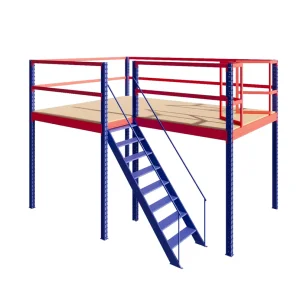
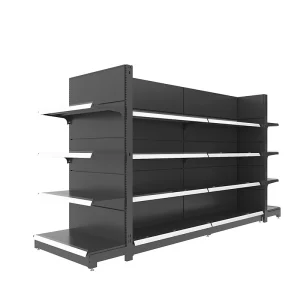
High-performance mezzanine systems and industrial racking customized for New Zealand commercial and distribution workspaces.
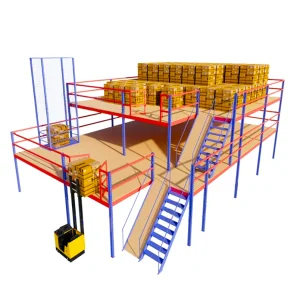
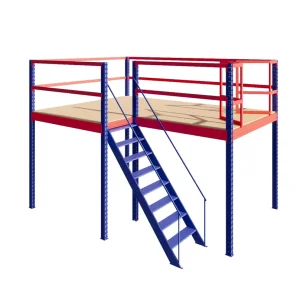
New Zealand's industrial landscape is undergoing a significant transformation. With industrial land prices escalating in key hubs like Auckland's East Tamaki, Wiri, and Airport Oaks, alongside Wellington's limited seismic-safe zones and Christchurch's master-planned business estates, businesses are encountering unprecedented warehousing constraints. Standard industrial rent rates have climbed steadily, forcing operations to look up instead of out. This shift highlights the critical relevance of Attic Platforms (Mezzanine Floors) as an extremely cost-effective space optimization choice.
In addition to spatial restrictions, Kiwi procurement managers face complex logistics challenges. Sourcing heavy-duty steel and mezzanine platforms from domestic suppliers often introduces long lead times and high capital expenses. However, direct importing demands strict compliance. Building structures in New Zealand must conform to rigorous local standards, particularly in high-seismic zones across the North and South Islands. Consequently, structural engineering integrity, material transparency, and structural verification are essential factors for successful industrial layouts.
How we engineer attic platforms to withstand local geological conditions, ensuring compliance with local government inspections.
Our structures are modeled to resist seismic loads specified by New Zealand standards, featuring heavy-duty baseplates, cross-bracing, and dynamic structural calculations tailored to regional soil profiles.
We utilize cold-rolled steel and structural Q235/Q355 grade steel, meeting the yield strength requirements of AS/NZS 4600 and AS 3678 for structural load-bearing reliability under heavy operational demands.
Engineered for NZ's coastal industrial zones. Our multi-stage powder coating and hot-dip galvanizing options withstand salt-spray and high humidity, protecting your platform from long-term rust degradation.
Guangzhou Fangjiu Shelf Co., Ltd. is a premier manufacturer and global provider of heavy-duty warehouse racking and industrial storage systems. Established in 2015, the company operates a modern manufacturing facility spanning 32,000 square meters, serving as a trusted backbone for global supply chain optimization. With 16 years of deep industry expertise and 8 years of dedicated international export experience, Fangjiu Shelf delivers high-caliber storage solutions engineered for durability, safety, and operational efficiency. Driven by strong trade backgrounds and robust commercial capabilities, we generate over $18 million in annual export turnover, exporting high-performance storage products to major markets across North America, Western Europe, and Southeast Asia.
Quality assurance is embedded in every stage of our operations. Supported by a rigorous Quality Management System (ISO 9001, CE certified) and a dedicated team of 35 quality control personnel, every batch undergoes comprehensive raw material testing, robotic weld inspection, load-bearing stress tests, and powder-coating thickness audits. Our extensive industry integration connects us with over 850 reliable supply chain partners, allowing us to supply diverse global clients—ranging from multinational logistics centers and industrial distributors to commercial retail brands. Backed by advanced R&D capabilities, including 18 specialized mechanical and design engineers, we offer full OEM/ODM custom options—including custom dimensioning, load capacity engineering, color matching, and special seismic structural design. Demonstrating our commitment to continuous innovation, Fangjiu Shelf successfully launched 45 new optimized storage products last year, continuing to set standards for warehouse safety and efficiency worldwide.
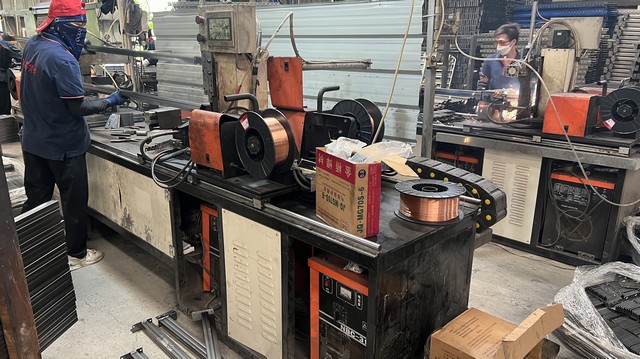
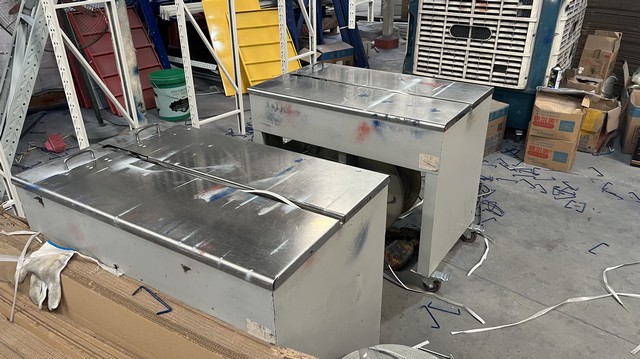
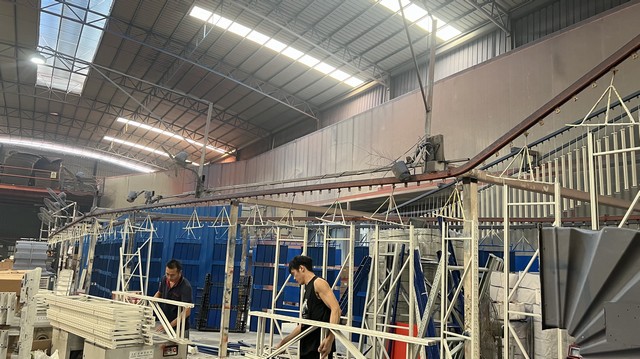
Explore our state-of-the-art production lines, featuring fully automated cold-rolling mills, precision robotic welding arrays, and high-performance powder coating ovens that ensure consistent dimensional tolerances and superior structural integrity.
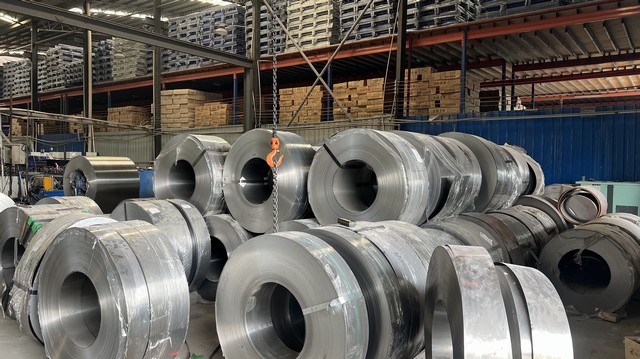
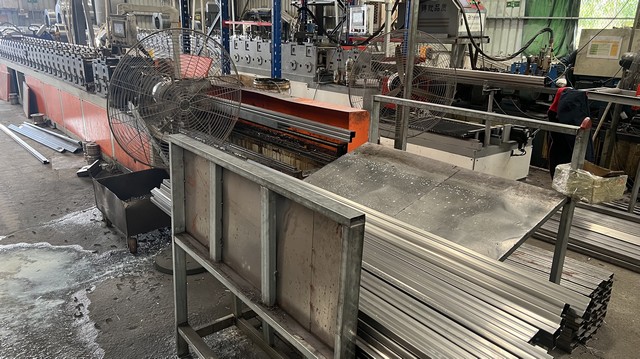
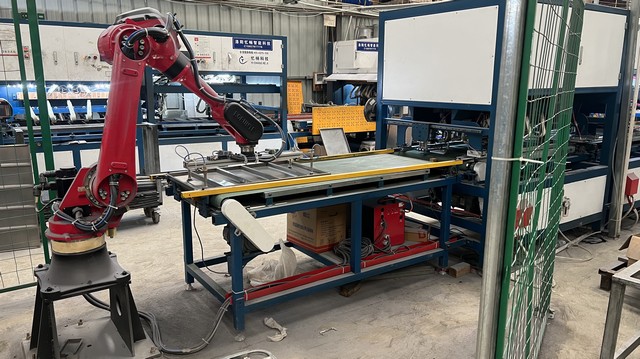
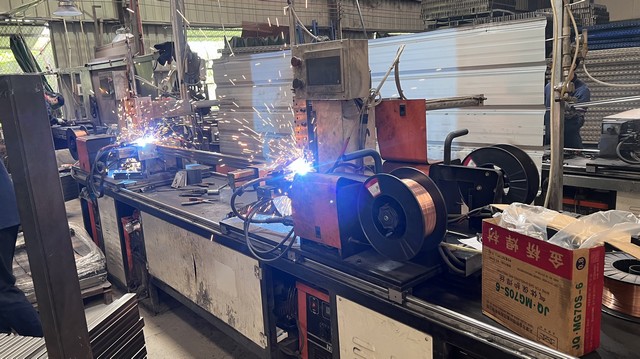
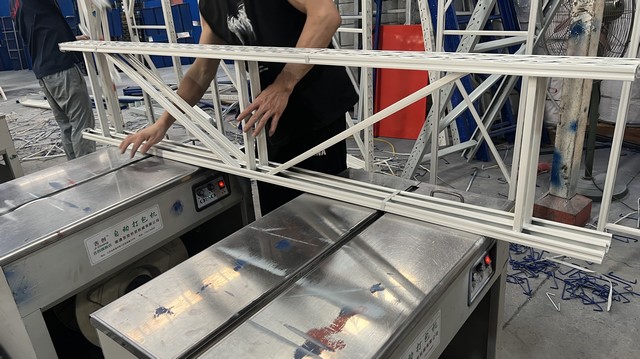
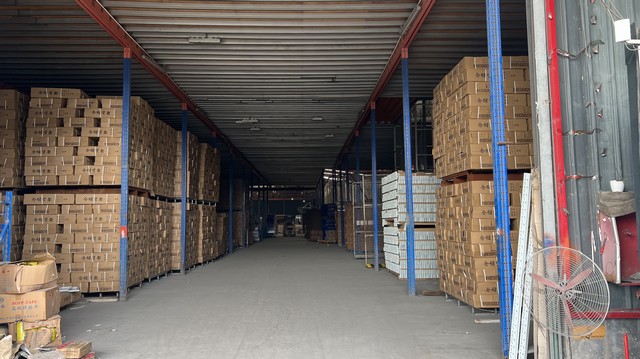
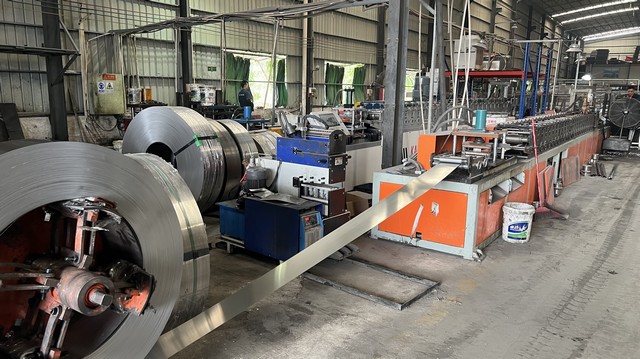
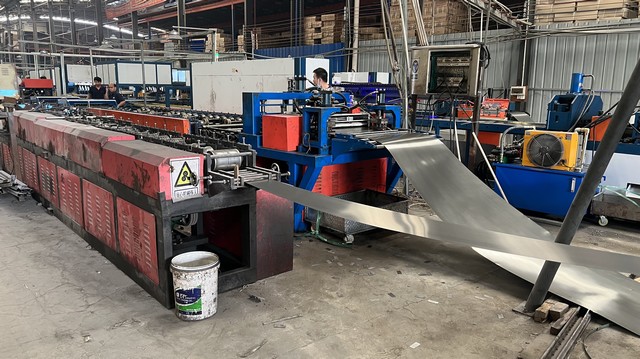
Discover how we are advancing our manufacturing systems to meet upcoming architectural and automation demands.
Integrating advanced Finite Element Analysis (FEA) into standard design workflows to optimize raw material usage while reinforcing structures to resist high-magnitude seismic movements.
transitioning to low-carbon, high-tensile cold-rolled steel coils, assisting New Zealand corporations in achieving Green Star Building certifications.
Modifying deck framing tolerances to support autonomous mobile robots (AMRs) and automated guided vehicles (AGVs) operating directly on structural attic platforms.
Designing completely modular, bolt-together mezzanine flooring systems that can be expanded, relocated, or reconfigured with minimal structural rework.
When selecting structural steel attic platforms for warehouses in New Zealand, engineers must calculate the dynamic and static load configurations. Below is an engineering benchmark outlining options, structural materials, and calculations for a compliant installation:
A major failure point in imported structural systems is inadequate connection design. By utilizing high-tensile 8.8 grade structural bolts for all principal connection nodes and ensuring that column baseplates distribute weight correctly to the underlying concrete slab, Fangjiu platforms avoid concrete punching failure. Working closely with structural engineers (CPEng) guarantees that the local concrete floor slab can support the point loads generated by the attic platform’s upright supports.
Answers to key regulatory, logistical, and structural questions when importing platforms into New Zealand.
Yes, in almost all commercial situations. An attic platform or mezzanine floor changes the floor area and building capacity. You will need a building consent issued by your local council (e.g., Auckland Council, Christchurch City Council). We provide full structural layout specifications, material certificates, and structural calculation printouts to support your CPEng engineer during the sign-off process.
We source our structural steel from certified mills with complete mill test certificates (MTCs). Our products undergo physical testing to verify yield strength, chemical composition, and tensile properties, ensuring they meet the criteria of AS/NZS 4600 (Cold-formed steel structures) and related codes.
Once custom layout designs are approved and fabricated (typically 20-30 days at our 32,000 sqm facility), transit by sea to Auckland, Tauranga, or Lyttelton ports takes approximately 18-25 days. We load and pack shipping containers securely to prevent shift damage during the ocean voyage.
Yes. Supported by 18 mechanical and structural design engineers, we specialize in OEM/ODM solutions. We customize platform dimensions, grid spans, heights, flooring deck materials, and load configurations up to 2000kg/m² to accommodate heavy manufacturing equipment or dense inventory.
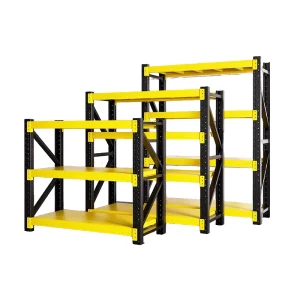
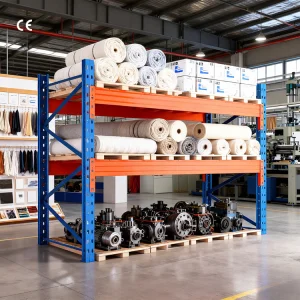
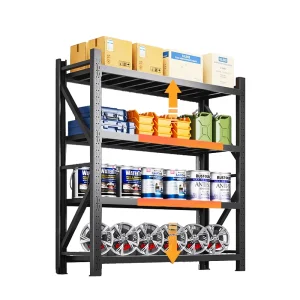
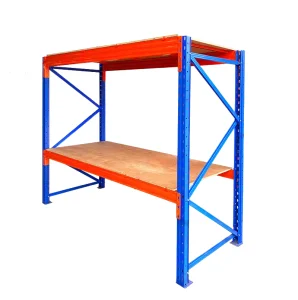
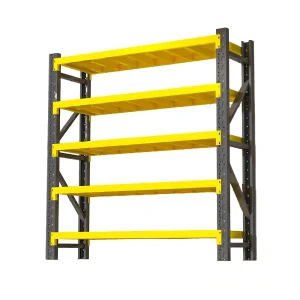
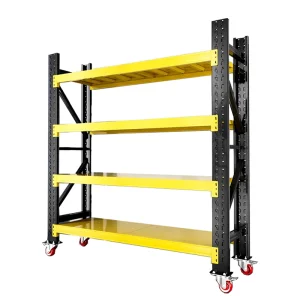
Explore our full line of industrial and garage systems, manufactured to rigorous standards and ready for shipping to New Zealand.
 Fangjiu Shelf