Premium warehouse mezzanine solutions optimized for high-density vertical footprint expansion in Sydney's commercial zones.
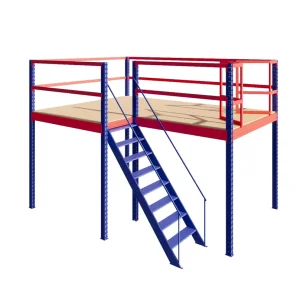
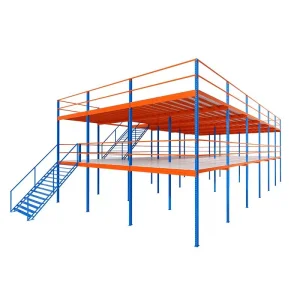
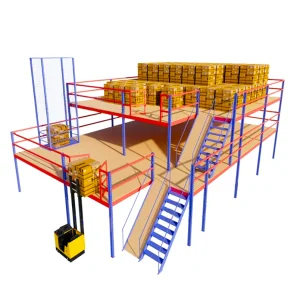
The Sydney industrial property sector, particularly across key logistical hubs like Western Sydney, Horsley Park, and Kemps Creek, is experiencing unprecedented pressure. Rising land values and limited availability of prime footprint space have forced third-party logistics (3PL) companies, e-commerce giants, and heavy manufacturers to rethink their internal storage design. Standard static configurations are no longer financially viable.
Maximizing volumetric capacity via vertical expansion—incorporating heavy-duty pallet racking and multi-tier mezzanine floors—has become the standard roadmap for operational profitability in New South Wales (NSW). However, executing this strategy requires high engineering standards, strict adherence to national structural codes, and direct collaboration with manufacturers capable of delivering customized material grades.
Navigating the Sydney market requires compliance with local structural design standards (including AS 4084:2012 and the updated AS 4084.1:2023 steel storage racking safety codes). Procurement teams must ensure their supplier’s structural steel formulations (such as high-grade Q235B and Q355B) undergo load-displacement and dynamic structural testing, keeping installations safe and ready for WorkSafe NSW audits.
Manufacturing & Structural Racking Expertise
Annual B2B Export Volume to Global Markets
Advanced Industry 4.0 Production Facility
Compliance Standards & Seismic Structural Engineering
How we build safety, durability, and corrosion resistance into every profile we export to Australia.
Our technical roadmap centers on cold-rolled steel design, robotically welded structures, and advanced automated powder-coating lines. To thrive in Sydney’s marine and humid subtropical coastal environments, we use thick galvanized and premium powder-coated finishes that resist rust and chemical degradation.
| Specification Parameter | Standard Configuration | Industrial Heavy-Duty Spec |
|---|---|---|
| Raw Material Grade | Q235B Cold-Rolled Carbon Steel | Q355B (Equivalent to AS3678 Grade 350) |
| Upright Profile Design | 80x60mm to 100x80mm, multi-bend | 120x95mm heavy-duty, optimized yield points |
| Surface Finishes | Electrostatic Powder Coating (60-80μm) | Hot-Dip Galvanized / Multi-Layer Protection (>100μm) |
| Australian Regulatory Match | AS 4084:2012 Static Racking Code | AS 4084.1:2023 Design & Testing Compliance |
By optimizing the roll-formed geometry of our uprights and box beams, we reduce overall steel mass without sacrificing load capacity. This approach minimizes transport emissions and lowers landing costs at Port Botany, offering a cost-effective path to sustainability.
A look inside Guangzhou Fangjiu Shelf Co., Ltd.’s 32,000㎡ manufacturing facility, providing structural stability and rapid export response times.
Guangzhou Fangjiu Shelf Co., Ltd. (established in 2015) operates a modernized production complex designed to meet demanding global lead times. With 16 years of engineering experience and a dedicated workforce—including 35 Quality Control professionals and 18 mechanical design engineers—we manage every step of the fabrication process under strict ISO 9001 guidelines.
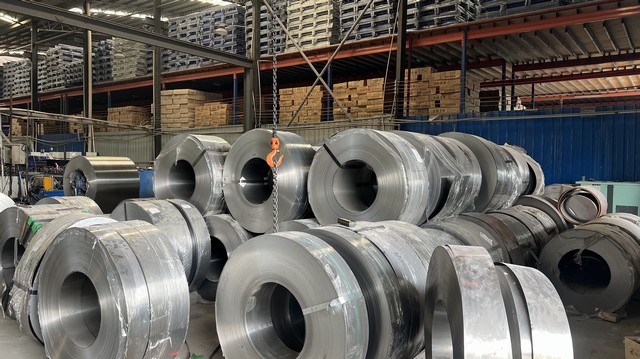
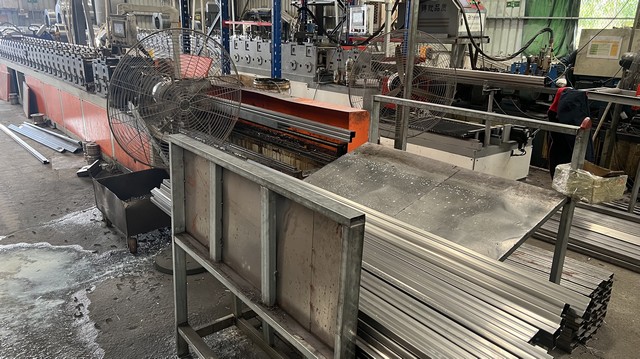
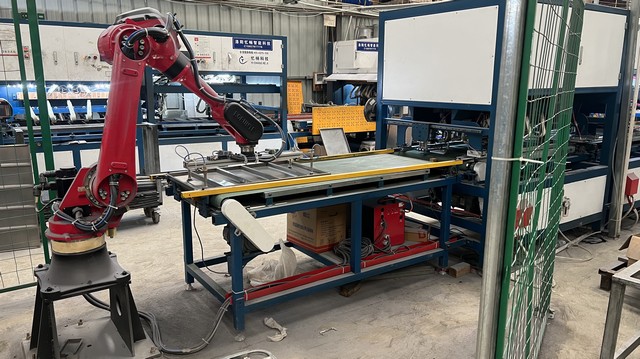
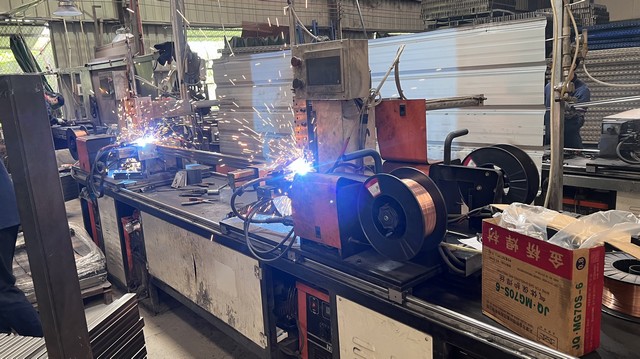
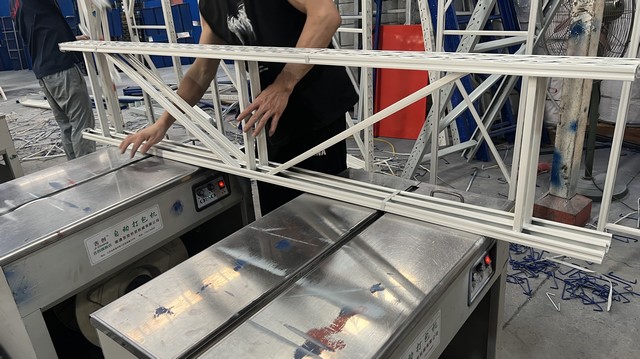
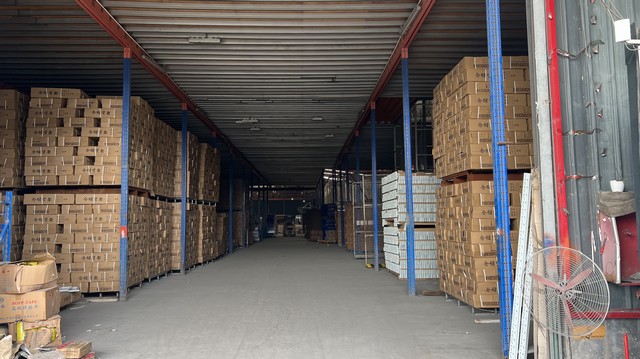
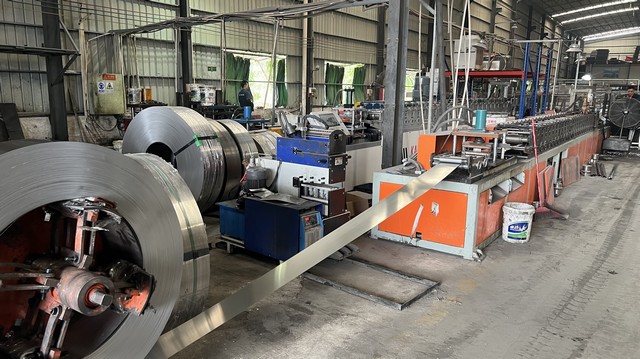
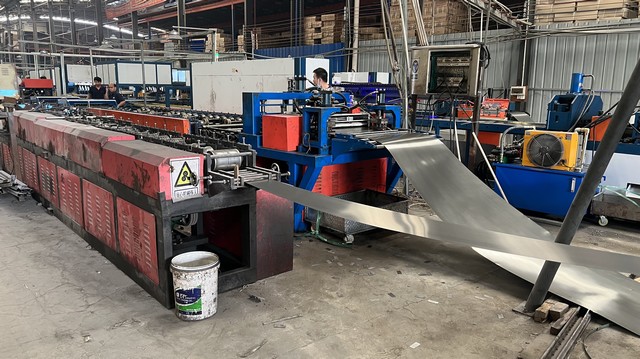
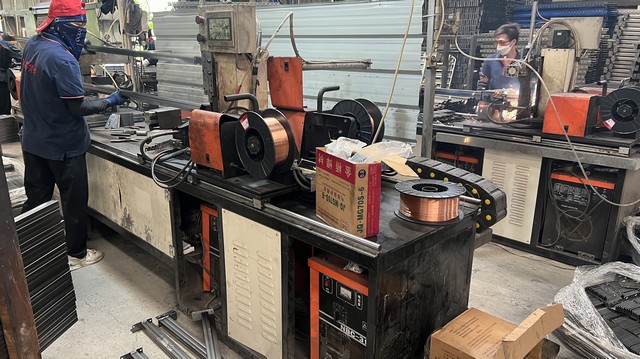
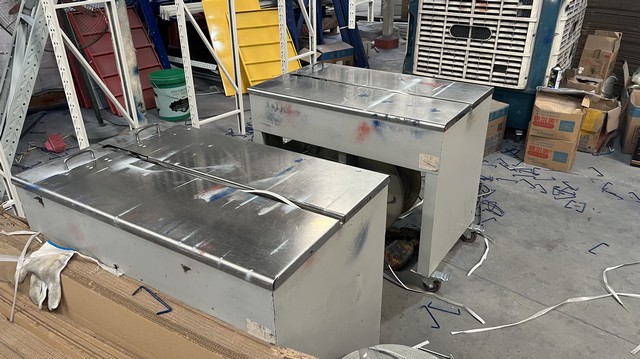
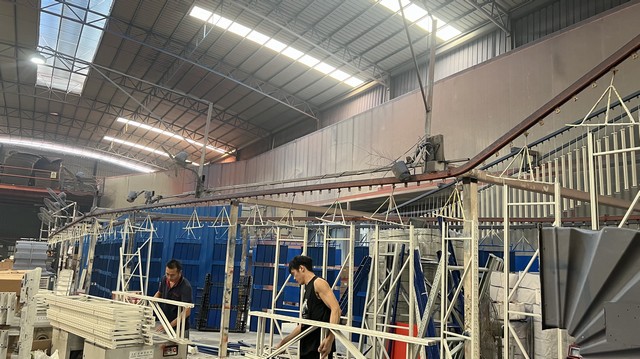
Equipped with automated roll-forming and robotic welding, we ensure every beam and upright has consistent weld penetration and dimensional accuracy.
Engineered for visual presentation, high durability, and rapid assembly in Sydney's growing commercial zones.
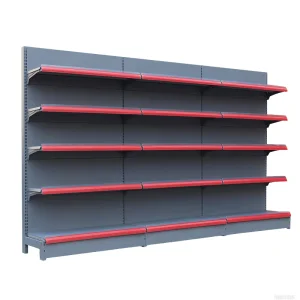
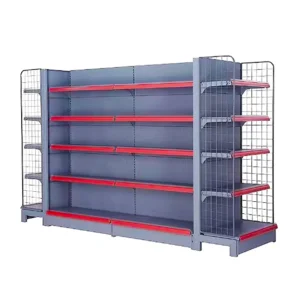
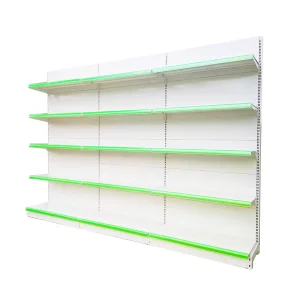
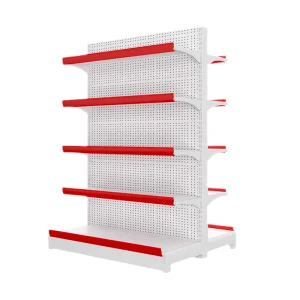
Flexible configurations engineered to match standard workflow demands across New South Wales.
High-throughput distribution hubs require adjustable beams and deep lane storage (like selective pallet racking and drive-in configurations) to accommodate varying product dimensions. Our systems feature reliable upright heights to maximize overhead space.
Sydney’s proximity to cold-chain logistics demands materials that resist condensation and low-temperature stress. Our structural components undergo heavy hot-dip galvanization and targeted anti-corrosive powder coating to prevent paint peeling and rust formation.
E-commerce operations rely on multi-tier walk-pick mezzanines to optimize floor space. By combining structural mezzanines with integrated carton flow racks, our platforms support high-speed pick waves and efficient order fulfillment.
Provide us with your facility’s layout dimensions, structural details, and load requirements. Our design team will create a customized layout plan that maximizes your warehouse space.
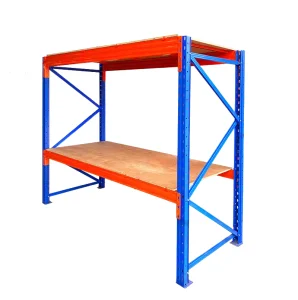
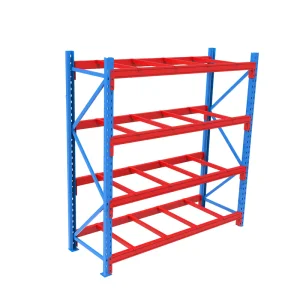
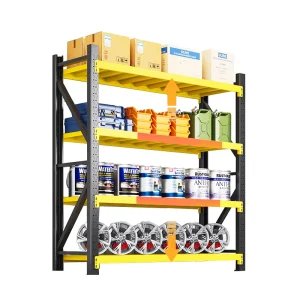
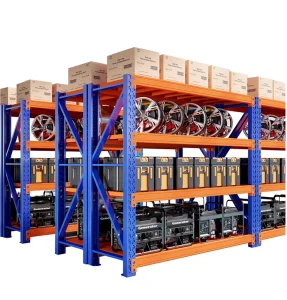
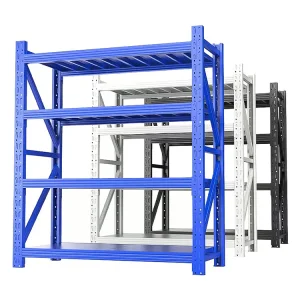
Get Free CAD Layout PlanHigh-load storage solutions designed to maintain structural stability in heavy industrial applications.
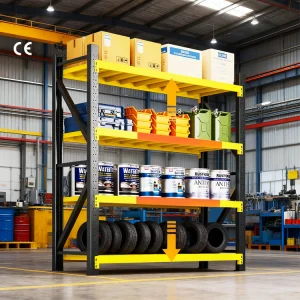
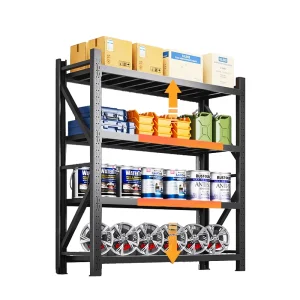
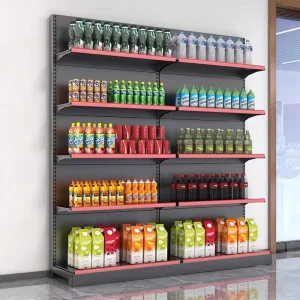
Ensuring compliance with Australian standards from initial raw materials through final shipping.
Our quality control program covers every phase of production. Using an ISO 9001-certified quality management system and a team of 35 dedicated inspectors, we conduct checks at every stage, including raw material tests, robotic weld checks, and coating thickness audits.
We perform load-deflection testing on beams, shear strength checks on weld nodes, and finish durability testing. These testing processes verify that our products meet the technical requirements of the Australian market.
For large-scale projects, we provide complete engineering documentation—including static load calculations, layout plans, and safety instructions—to support site approvals and work health safety compliance.
Located near major Southern China container terminals (Guangzhou Nansha and Shenzhen Yantian Ports), we offer efficient transport routes to Sydney (Port Botany). Our logistics coordination helps minimize shipping delays, assisting you in keeping your warehouse installation on schedule.
Key information on importing, compliance, design options, and site support for the Australian market.
Yes. Our systems are engineered using structural steel profiles and node connection designs developed to comply with Australian racking standards (AS 4084:2012 and the updated AS 4084.1:2023). We conduct load-displacement and dynamic structural testing to verify compliance for industrial installations in NSW.
Production cycles generally require 20 to 25 days depending on the project volume and customization needs. Transit times from Southern China ports (Nansha/Yantian) to Port Botany typically range from 14 to 18 days. We recommend planning for an overall timeframe of 5 to 6 weeks from technical drawing approval to container arrival.
Yes. We operate fully automated electrostatic powder-coating lines and offer color customization based on standard RAL codes. The coating process creates a durable finish (60-80μm thickness) that resists scratching and wear from daily forklift operations.
Our quality control laboratory conducts mechanical and load testing on raw steel coils, welded frames, and connection brackets. For large-scale projects, we provide technical documentation outlining design limits, beam load capacities, and structural calculations to assist with local safety compliance.
Yes. Supported by 18 engineering designers, we offer full design capabilities to adapt rack dimensions, depth, column heights, and baseplates to match your facility's layout and forklift specifications.
 Fangjiu Shelf